
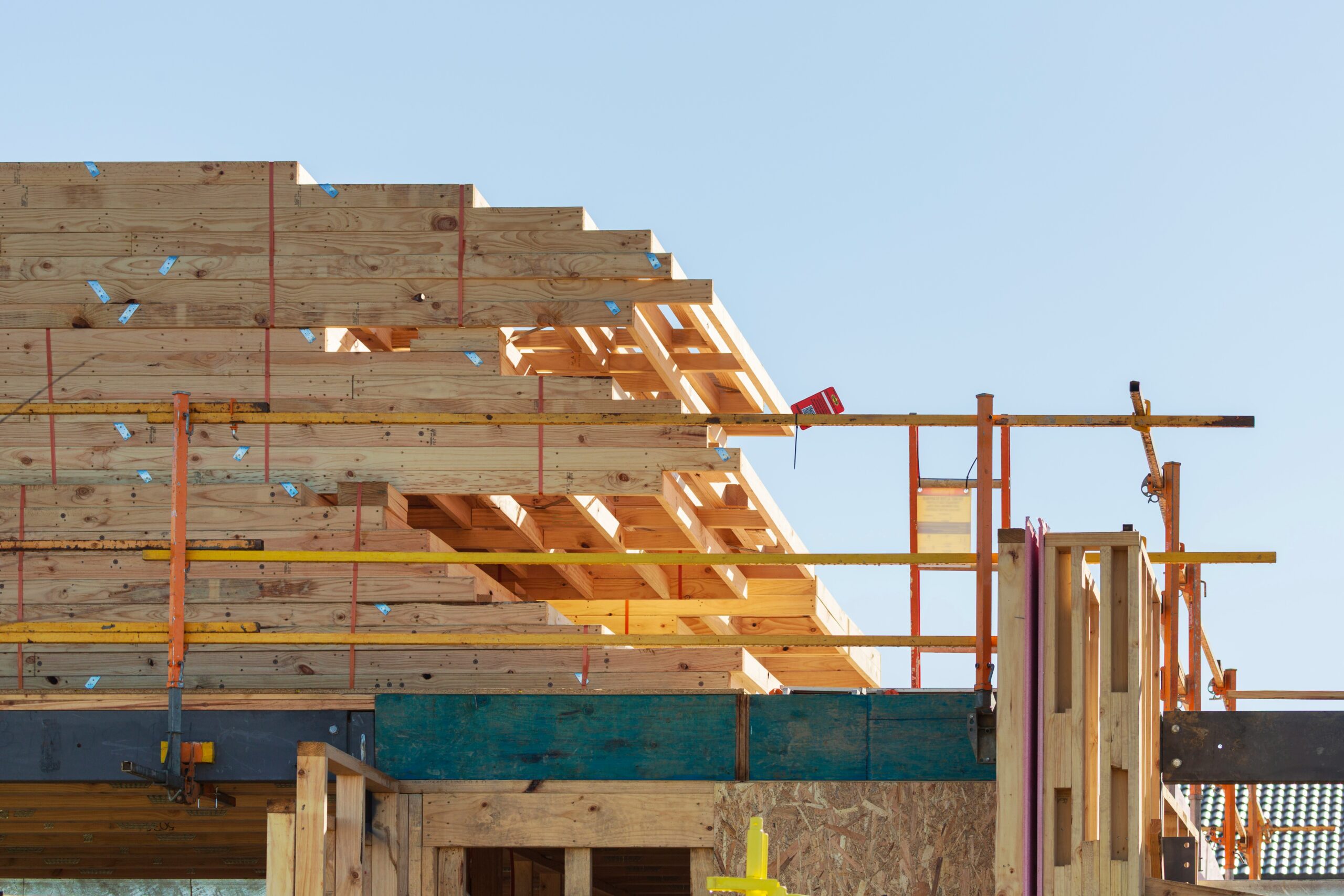
Ottawa’s new counter-tariffs on American carpet, plywood, steel doors and dozens of other construction materials took effect Sept. 8, and Canada’s home-building industry says the added cost will land on new houses and condos at a time the sector can least afford it.
The Department of Finance imposed duties of 15, 25 and 50 per cent on about $27.6 billion of U.S. goods, matching the rate the United States applied under its own 50-per-cent tariff on $27.6 billion of Canadian exports that took effect Aug. 22. Among the items caught, according to the government’s published list: sawn softwood lumber such as pine, fir, spruce and hem-fir at 25 per cent; plywood and other laminated wood products at 50 per cent; woven, tufted and felt carpets at 25 per cent, with some specialty carpet at 50 per cent; and plastic flooring and wall coverings at 50 per cent.
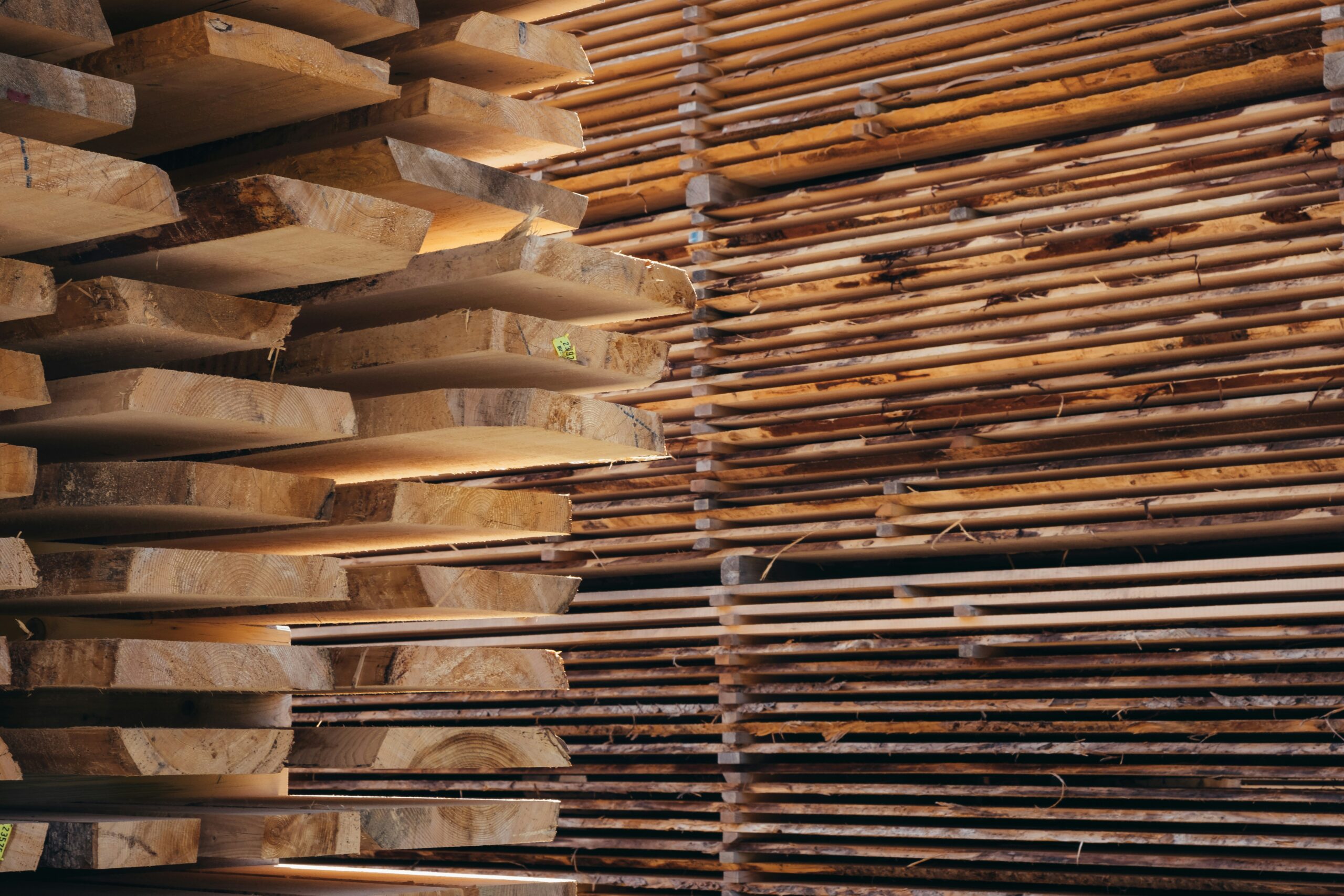
The Canadian Construction Association flagged the same products in an Aug. 27 bulletin to members, adding steel and aluminum structural products, doors, windows, frames, fasteners, HVAC equipment, scaffolding and lifting machinery to the list of exposed materials. The association said the sector, as a net importer of many of these inputs, is particularly vulnerable to the new duties.
Frank Lohmann, interim chief executive of the Canadian Home Builders’ Association, said the timing works against a sector Ottawa itself has been pushing to build faster. “Canada simply cannot afford to put more obstacles in the way of home building,” he said.
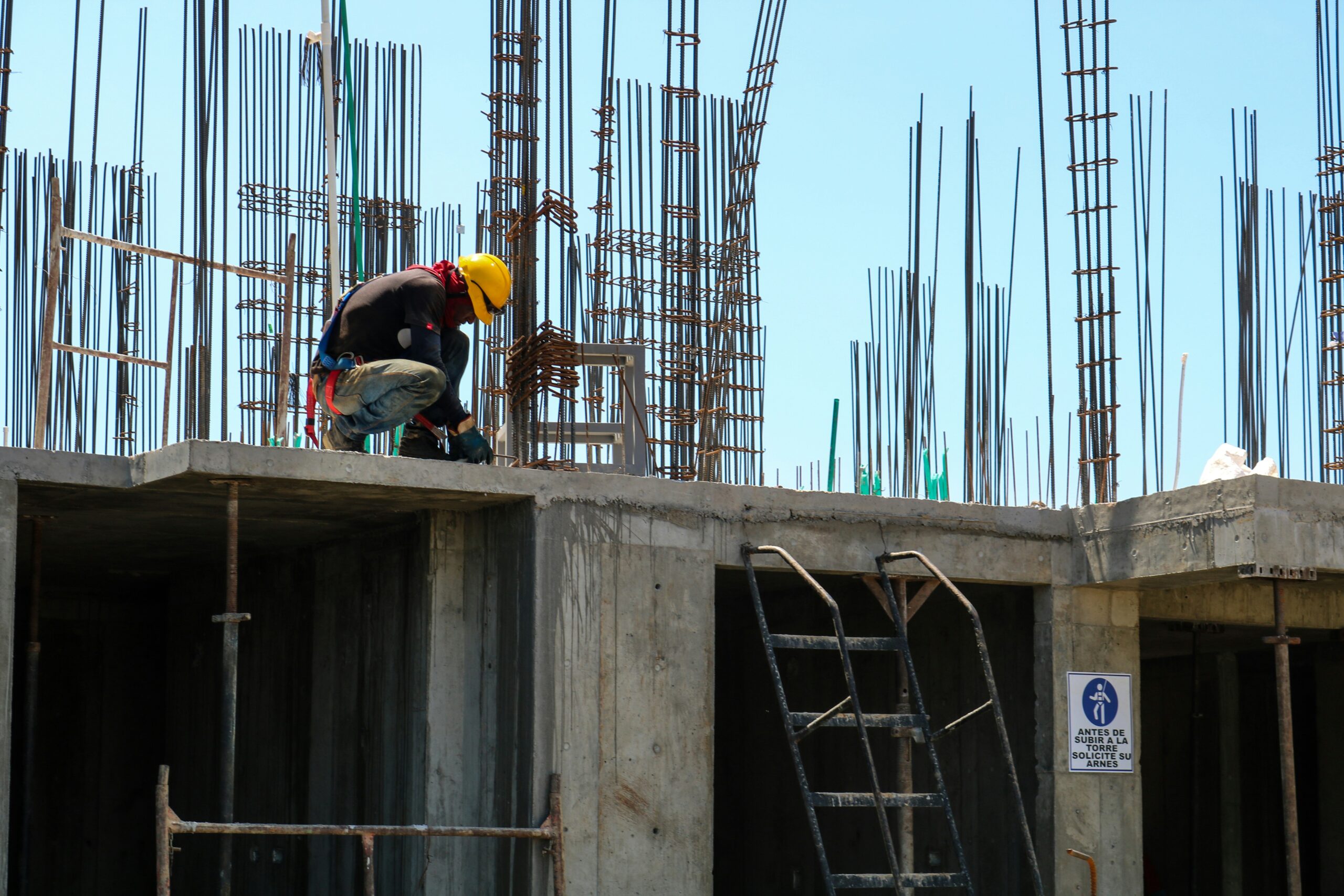
Scott McLellan, chief operating officer of Toronto-based developer Plazacorp, said the tariffs make it difficult to hold to project budgets set months or years before a building goes up, since most construction contracts lock in pricing well ahead of when materials are actually installed. “How do you budget for it? It’s not like we buy materials and stockpile them somewhere,” he said.
Pedro Barata, chief executive of Habitat for Humanity Canada, said the new costs compound a construction environment that was already expensive well before Sept. 8, squeezing the affordable-housing projects his charity and others depend on. In British Columbia, developer Wesgroup Properties reported structural steel framing costs up 8.5 per cent and metal fabrication costs up roughly 10 per cent since the tariffs took hold.
Statistics Canada’s own figures show cost pressure was building before the counter-tariffs arrived. The agency’s building construction price index for the second quarter, released July 24, found residential construction costs across Canada’s 15 largest metro areas rose 2.3 per cent year over year and 0.5 per cent from the first quarter, a slowdown from the 0.7-per-cent pace set in the opening quarter of 2026. StatCan pointed to geopolitical tensions, retaliatory tariffs, supply-chain disruptions and workforce constraints as contributing factors, months before the September duties even took effect.
The tariffs land three weeks after the Canada Mortgage and Housing Corp. said in its Fall 2026 Housing Supply Report that the country needs to build as many as 469,000 homes a year through 2036 to bring affordability back toward 2019 levels. Higher costs for lumber, carpet and steel doors do not make that target easier to hit, and builders say the effect is likely to surface first in pricing for presale projects that have not yet broken ground.
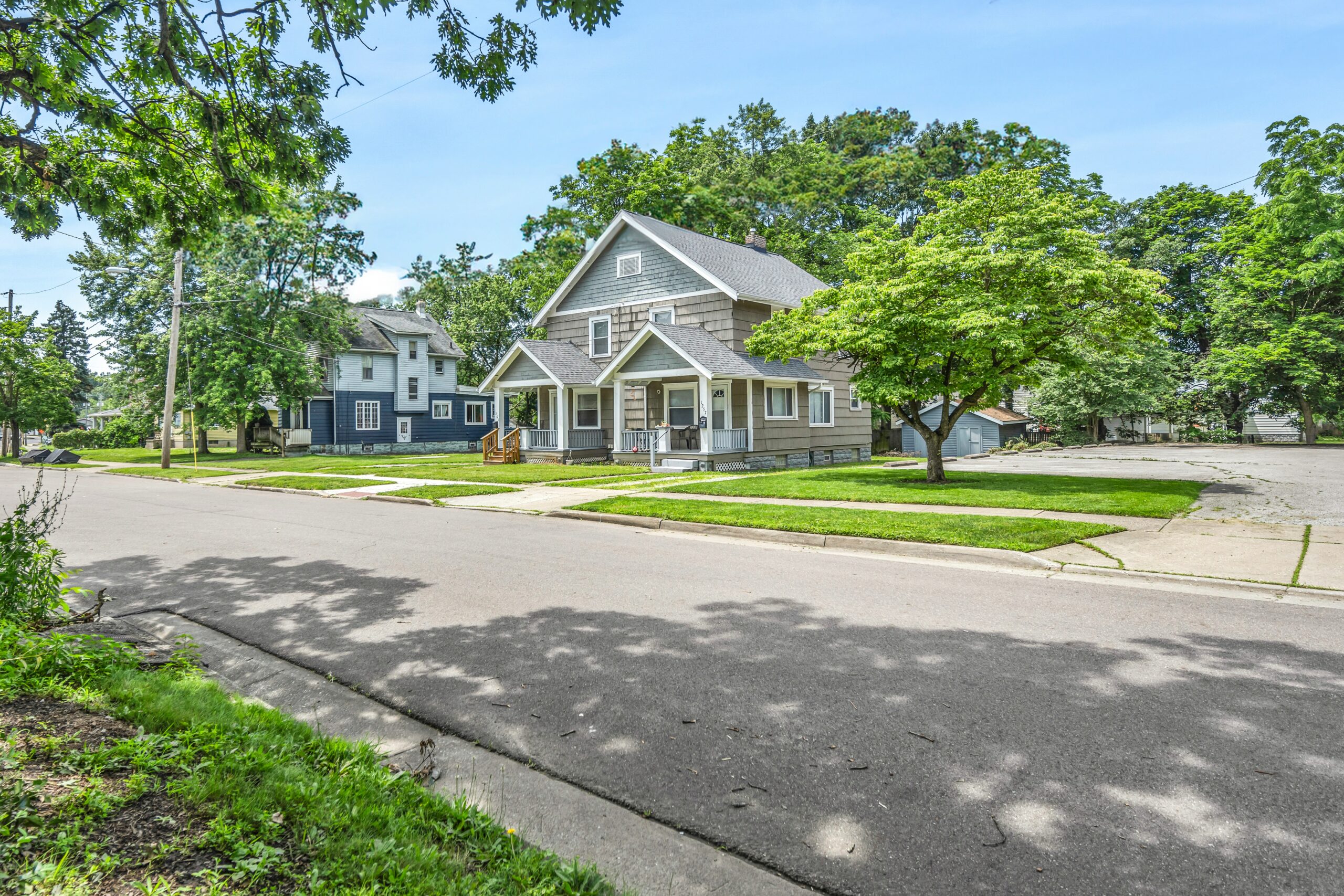
Neither the Department of Finance nor the construction association has put a dollar figure on what the tariffs add to the average new home. The counter-tariffs remain in place as part of the broader trade dispute between Ottawa and Washington, with no relief date announced by either government.
Follow Canada News Media
Get the day's top Canadian stories and our two daily 60-second news videos wherever you scroll.