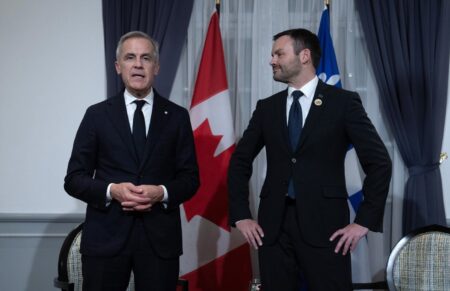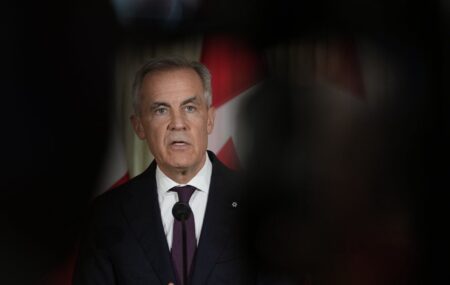

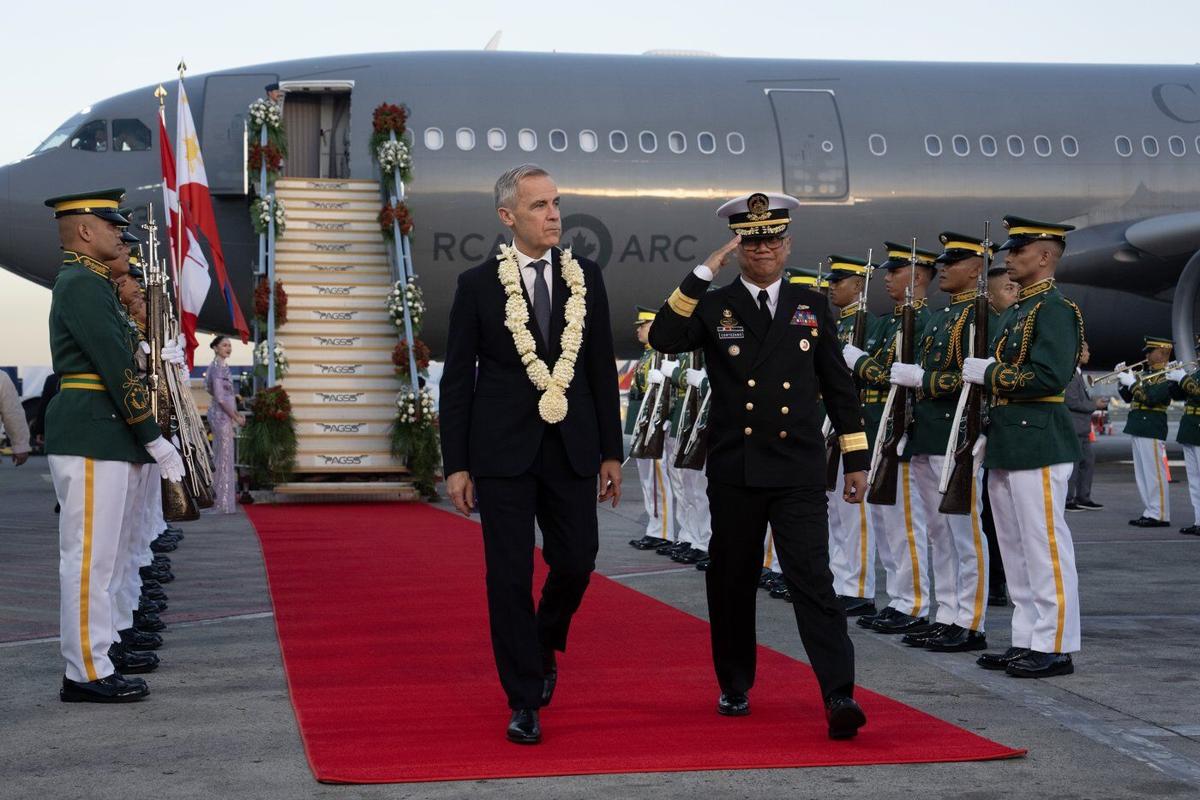
Canada has substantially concluded negotiations on a free trade agreement with the Association of Southeast Asian Nations. It would be Ottawa’s first trade deal with the 11-member bloc and its nearly 700 million people, Prime Minister Mark Carney’s office said.
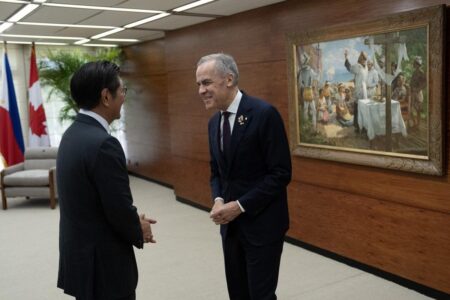
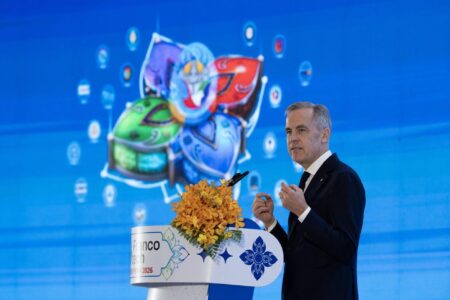
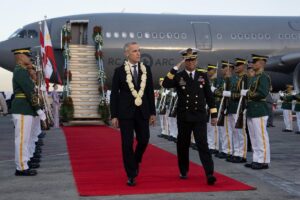
Carney made the announcement at the ASEAN summit in Manila on Nov. 14, the same day he and Philippine President Ferdinand Marcos Jr. concluded a separate bilateral deal, which we reported earlier. Negotiations on the ASEAN-Canada free trade agreement, known as ACAFTA, began in 2021.
According to the Prime Minister’s Office news release, the agreement is expected to add nearly $2 billion to Canada’s gross domestic product and create nearly 14,000 Canadian jobs once in force, mainly in agriculture and manufacturing. The government did not publish the modelling behind those estimates. The remaining steps will be completed “as quickly as possible,” with the goal of signing in 2027, the release said.
“Substantially concluded” means the main terms are settled, but the text still needs legal review, translation and signature, and then ratification by Parliament and by each ASEAN member. The deal will not cut any tariffs until all of that is done.
ASEAN was Canada’s fifth-largest merchandise trading partner in 2025, with two-way trade of $52.5 billion, up 22.7 per cent from 2024, the release said. Its economies have a combined output of close to $6 trillion.
“Trade diversification is our Plan A,” International Trade Minister Maninder Sidhu said in the release. He said the agreements will help reduce tariffs and other trade barriers for Canadian businesses across Southeast Asia.
Carney also announced $5 million in technical assistance to help ASEAN members ratify the agreement and benefit from it, part of more than $15.9 million in new regional funding announced at the summit. Canada committed a further $25 million for implementation at last year’s ASEAN summit in Kuala Lumpur.
Canada already has a trade agreement with four ASEAN members, Brunei, Malaysia, Singapore and Vietnam, through the Comprehensive and Progressive Agreement for Trans-Pacific Partnership. The new deal would add markets where Canada has no trade agreement today, including Indonesia, Thailand, the Philippines, Cambodia, Laos and Myanmar.
Carney has said Southeast Asia is central to his goal of reducing Canada’s reliance on the United States. He continues his trip with a summit in Cambodia and a visit to China.
Follow Canada News Media
Get the day's top Canadian stories and our two daily 60-second news videos wherever you scroll.
X Threads Facebook Instagram LinkedIn TikTok YouTube Pinterest Reddit Substack Flipboard Newsletter RSS