


White House trade adviser Peter Navarro said Monday that Prime Minister Mark Carney’s suggestion Canada could turn to Chinese automakers was “offensive in the extreme”, while Ontario Premier Doug Ford criticized the idea from the Canadian side.
The exchange adds pressure to Canada-U.S. trade talks days before Carney is due to meet Chinese President Xi Jinping in Shenzhen, where auto manufacturing is expected to be on the agenda, The Associated Press reported.
“Are u really threatening to play China off the U.S.? This is offensive in the extreme,” Navarro wrote on X. “You should be far more worried China is going to eat Canada alive.”
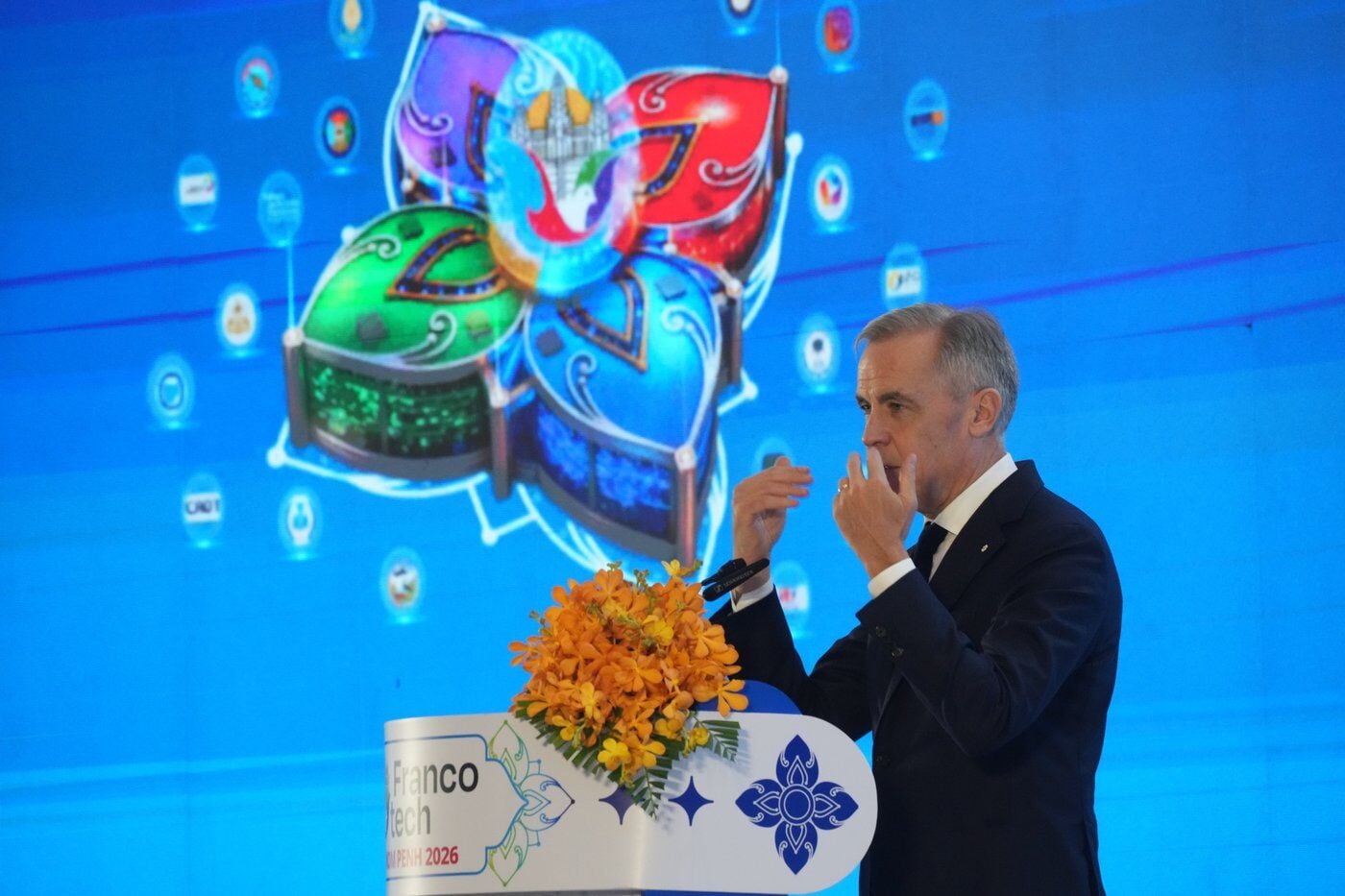
Carney had told reporters in Phnom Penh, Cambodia, earlier in the day that Canada could pursue partnerships with Chinese, European or Japanese automakers if negotiations with U.S. President Donald Trump fail to preserve an integrated North American auto industry. Asked whether potential Chinese investment was leverage, he said: “It’s not leverage. But action, reaction.” We reported his full remarks earlier on Monday.
Carney said any Chinese investment would have to involve substantial manufacturing in Canada rather than simply assembling imported parts, with proper labour standards and domestic supply chains. “It’s not just about kit cars,” he said. He added that talks with the United States remain his priority and that he had spoken at length with Trump and senior U.S. officials on Saturday, when he said the two countries were making progress although differences remained.
Ford, whose province is the centre of Canada’s auto industry, said on social media that Ottawa’s focus “needs to be on protecting Canadian auto workers, not undermining them by importing even more state-subsidized cheap Chinese cars.” He had criticized the January agreement in which Canada cut its 100 per cent tariff on Chinese electric vehicles to 6.1 per cent, initially for up to 49,000 vehicles a year, in exchange for lower Chinese tariffs on Canadian agricultural products including canola.
Navarro has taken aim at Carney before. In September he told Canada to “get the hell out” of a trade discussion, a jab Carney laughed off.
The Detroit Three, Ford, General Motors and Stellantis, run plants across Canada, the United States and Mexico, with parts crossing borders several times before a vehicle is finished. Trump’s tariffs have strained that integration. Canada recently threatened legal action after Stellantis moved planned Jeep Compass production from Ontario to Illinois, a dispute we covered when Ottawa served the company a default notice.
Trump left for Asia on Monday, and the trade file is likely to follow both leaders there. See our report on Trump’s trip.
Via The Associated Press and The Canadian Press.
If you find reporting like this useful, consider supporting Canada News Media, an independently owned Canadian newsroom.
Follow Canada News Media
Get the day's top Canadian stories and our two daily 60-second news videos wherever you scroll.
X Threads Facebook Instagram LinkedIn TikTok YouTube Pinterest Reddit Substack Flipboard Newsletter RSS