
Federal ministers and their political staff disclosed $10.1 million in travel between June 2025 and March 2026, up 16 per cent from the same months a year earlier, even though they took about one in five fewer trips, a Canada News Media analysis of the government’s travel disclosures found.
The rise came almost entirely from trips abroad. The average cost of an international trip filed by a minister, parliamentary secretary or political staffer was $7,227 in the 10 months after the new cabinet was sworn in on May 13, 2025, up 61 per cent from $4,490 in the same 10 months a year earlier. International travel made up 45.6 per cent of the group’s disclosed spending, up from 31.5 per cent.
We downloaded the complete Proactive Disclosure of Travel Expenses dataset on Nov. 19, 2026, which holds 157,253 trip records filed by federal departments and agencies since 2016. Each record lists who travelled, their title, the purpose, the destination and what was spent on airfare, other transport, lodging, meals and other costs. Since April 2025, every record must also say whether the traveller is a senior public servant or a member of the political group of ministers, ministerial staff, parliamentary secretaries and exempt staff.
We compared June 2025 to March 2026 with June 2024 to March 2025. We left out April and May in both years because the spring 2025 federal election campaign largely halted ministerial travel; the political group filed only 31 trips in April 2025.
In the most recent period, the political group filed 3,732 trips costing $10,121,598, an average of $2,712 a trip. In the year-earlier period it filed 4,626 trips costing $8,741,382, an average of $1,890. The latest total is the highest for those 10 months in any of the four years we checked: $8.8 million in 2022-23, $9.8 million in 2023-24 and $8.7 million in 2024-25.
Airfare drove the increase. The group’s disclosed airfare rose to $6.42 million from $5.01 million, or 28 per cent, while lodging fell slightly to $1.99 million from $2.06 million. The number of trips abroad was almost unchanged, at 638 compared with 614, but their total cost rose to $4.61 million from $2.76 million. Domestic trips fell to 3,094 from 4,012, and their average cost rose to $1,781 from $1,492.
Senior public servants, the other group in the dataset, showed a smaller change. They filed 8,868 trips costing $21.6 million in the latest period, up 3 per cent in trips and 8 per cent in spending from 8,623 trips and $20.0 million a year earlier. Their average international trip cost $7,613, up from $6,473.
The records do not explain why costs rose, and several factors are visible in them. The period covers the government’s stated push to expand trade beyond the United States, and the purposes filed for the costliest trips include ministerial meetings in India, Asia and Europe, a G20 meeting in South Africa and NATO meetings. Cabinet was also reorganized in May 2025, which moved some ministers’ offices between departments and makes department-by-department comparisons less reliable.
Among the offices with the biggest increases, travel filed by the ministers’ offices at Innovation, Science and Economic Development rose to $961,602 from $532,835, and at the Department of Finance to $597,356 from $215,390. Global Affairs Canada’s ministers’ offices filed the most, $1.80 million, up from $1.61 million. The ministers’ offices at Employment and Social Development filed less, $423,148 compared with $649,478.
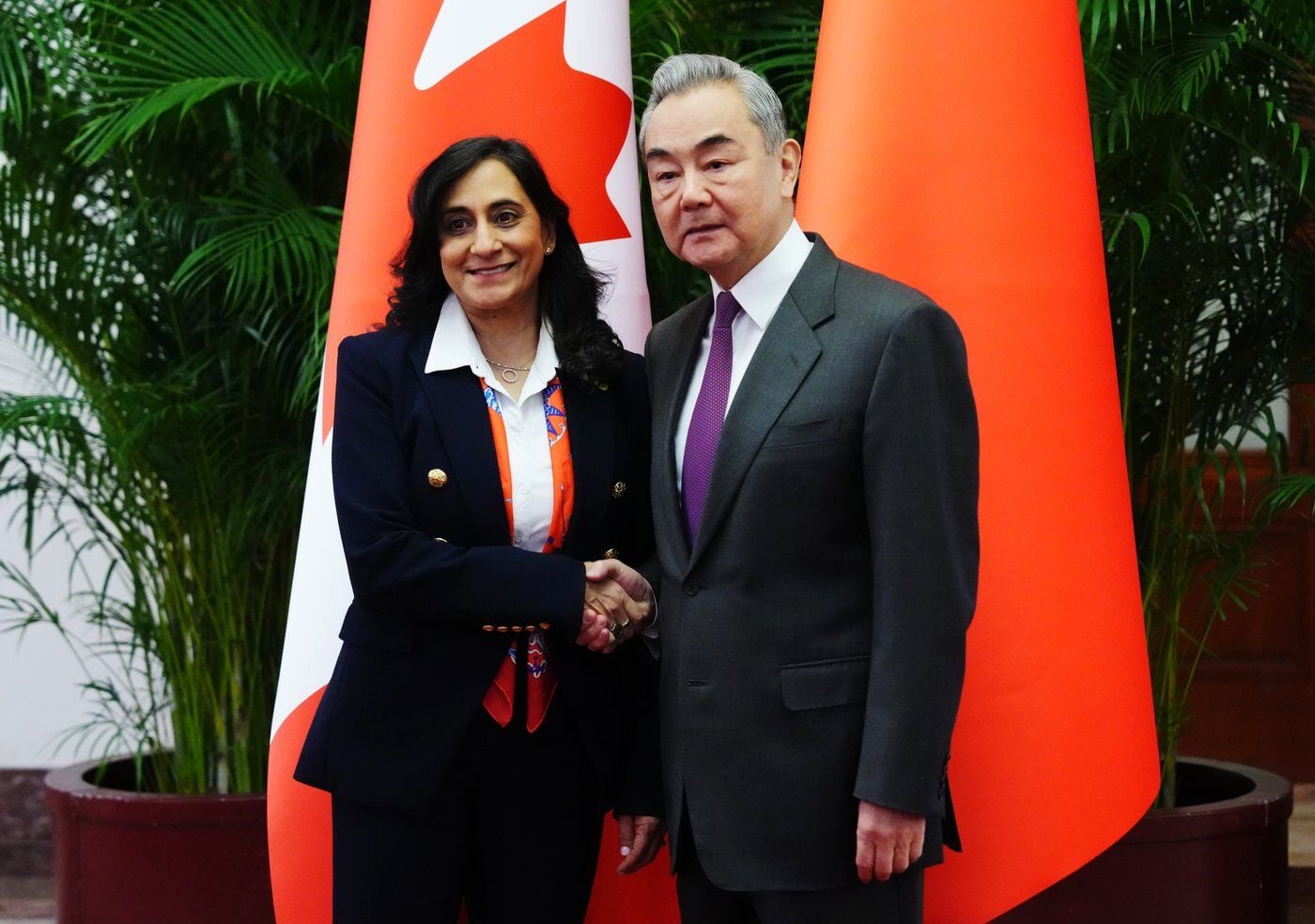
The single most expensive trip filed by the political group in the period was Finance Minister François-Philippe Champagne’s trip to Mumbai and Delhi from Feb. 26 to March 6, 2026, for ministerial meetings. It was disclosed at $40,753.48, of which $40,071.16 was airfare, and the record notes that a government aircraft was used for part of the trip. His July 2025 trip to Rome and Cape Town was filed at $31,896.83. Foreign Affairs Minister Anita Anand’s January 2026 trip to Beijing, Davos and Doha, where she accompanied the prime minister, was filed at $11,121.60.
Disclosed travel by ministers is governed by the Treasury Board’s Directive on Travel, Hospitality, Conference and Event Expenditures, and departments must post the records within 30 days of the end of each quarter. The disclosures show only what was filed under each person’s name; costs for officials who travelled with a minister appear as separate records.
We have previously looked at the federal hospitality records, where the Banff G7 meeting topped the list, and at expense claims by Calgary’s top managers.
This analysis makes no finding that any trip broke the rules. It reports totals and averages from records the government publishes, and the purposes listed are those the departments filed.
How we checked: We downloaded travelq.csv from open.canada.ca on Nov. 19, 2026 (last modified that morning) and loaded it into a database. We grouped trips by start date, compared June 1, 2025, to March 31, 2026, with June 1, 2024, to March 31, 2025, and used the dataset’s disclosure group field to separate the political group (coded MPSES) from senior officials (SLE). Before April 2025 that field was optional; the 429 trips in the earlier period with no group were filed mainly by Crown corporation executives and board members, so they would not change the political group’s totals. We counted a trip as international when any listed destination was outside Canada, using the place names in the destination fields; a handful of entries are ambiguous, so the international counts are close but not exact. Some departments file late, so the most recent quarter may still grow, which would make the increase larger, not smaller. Totals are in current dollars and are not adjusted for inflation.
If you find reporting like this useful, consider supporting Canada News Media, an independently owned Canadian newsroom.
Follow Canada News Media
Get the day's top Canadian stories and our two daily 60-second news videos wherever you scroll.
X Threads Facebook Instagram LinkedIn TikTok YouTube Pinterest Reddit Substack Flipboard Newsletter RSS