

The Court of Appeal of Alberta has set aside the certification of a class action by Alberta business owners who sought compensation for COVID-19 closure and restriction orders, ruling that the claim cannot show the way the orders were made caused their losses.
In Ingram v Alberta, 2026 ABCA 366, dated Nov. 13, 2026, a three-judge panel of Justices Jo’Anne Strekaf, Kevin Feehan and Joshua Hawkes allowed the province’s appeal. The memorandum of judgment says the pleadings fail to disclose causation, an essential element of negligence and of misfeasance in public office, so that it is “plain and obvious” the claim is bound to fail. The ruling was signed by Justice Strekaf on behalf of the panel.
The proposed class action was brought by Rebecca Ingram and Christopher Scott, who carry on business as The Whistle Stop Café. A certification judge had allowed it to proceed in October 2024 (2024 ABKB 631) on behalf of people who owned businesses in Alberta that were fully or partly closed, or restricted, by orders of the Chief Medical Officer of Health from March 17, 2020, to the date of certification. Shareholders in a corporation and co-operative members were excluded. The judge certified three claims: negligence, misfeasance in public office, and a declaration that the orders breached the due process guarantee on property in the Alberta Bill of Rights.
The claim rested on an earlier Court of King’s Bench ruling, Ingram v Alberta (Chief Medical Officer of Health), 2023 ABKB 453, which found the business-closure orders were ultra vires, or beyond the authority of, the Public Health Act. That court found the Chief Medical Officer made recommendations but that final decisions were taken by Cabinet or a Cabinet committee, while the Act requires the Chief Medical Officer or an authorized delegate to decide. The Court of Appeal notes that the 2023 decision was not appealed, and that the same ruling found the orders would otherwise have been constitutional, because they served a valid purpose and were justified limits under section 1 of the Charter.
The appeal court wrote that the class action therefore turns on process, not on the content of the orders. If the identical orders had been issued by the Chief Medical Officer, it said, “there would be no negligent act and no claim.” It pointed to evidence accepted in the 2023 ruling that the Chief Medical Officer stood by her recommendations and did not sign orders more restrictive than she judged necessary. On that record, the panel found no reasonable basis to conclude that less restrictive orders, or none at all, would have followed had she made the final decisions, and said the plaintiffs might even have benefited from Cabinet choosing less restrictive measures.
On misfeasance in public office, the court said the tort requires deliberate unlawful conduct by a public officer who knew the conduct was unlawful and likely to harm the plaintiffs. It noted the plaintiffs did not suggest the orders were meant to injure a class of people, and that the claimed bad faith concerned process, including an allegation that Cabinet used the Chief Medical Officer as a shield. The panel said it did not need to decide whether bad faith could be shown, because the claim fails on causation in the same way. On negligence, it also pointed to the immunity clause in the Public Health Act for acts done in good faith and said policy considerations would negate a private duty of care in a public health emergency, as the Ontario Court of Appeal found in Hartman v Canada (Attorney General), 2026 ONCA 270.
Without the two damages claims, the court declined to let the declaration claim go forward alone. It noted the plaintiffs already received a declaration in 2023 that the orders were invalid, and said a further declaration with no added remedy “is of little practical utility and does not justify the use of limited court resources.” The certification order was set aside.
The appeal was heard on March 10, 2026. The panel asked on Sept. 4 for more written submissions on causation, and the province replied on Sept. 18; the decision says no additional submissions were received from the plaintiffs. Lawyers J.R.W. Rath and E. Chipiuk appeared for the plaintiffs, and J.M. Dube for the province. The decision does not say whether the plaintiffs will seek permission to appeal to the Supreme Court of Canada, and we have not seen a statement from either side.
For Alberta business owners, the ruling means this proposed class action cannot go ahead as certified to seek damages for pandemic closures. It does not change the 2023 finding that the orders were issued through the wrong process, and it makes no finding that the closures were justified or unjustified for any individual business.
If you find reporting like this useful, consider supporting Canada News Media, an independently owned Canadian newsroom.
How we checked: we read the full memorandum of judgment of the Court of Appeal of Alberta on CanLII (file 2401-0321AC, dated Nov. 13, 2026) and took every quotation, date, name and test from it. We searched our site over the past 12 months for earlier coverage of this case and found none, and the decision carries no publication ban or sealing order. The 2023 and 2024 findings are described as the Court of Appeal summarized them. We did not contact the parties.
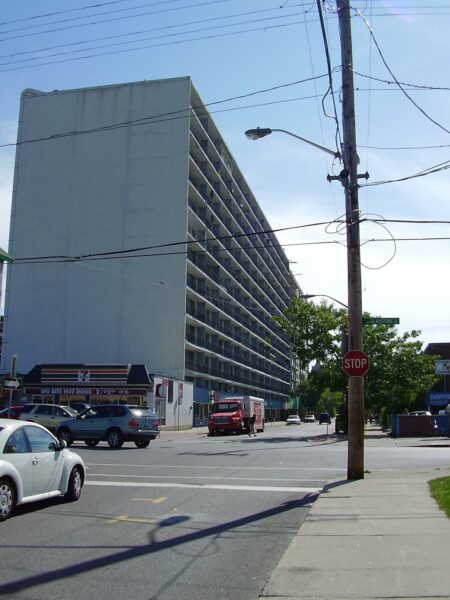
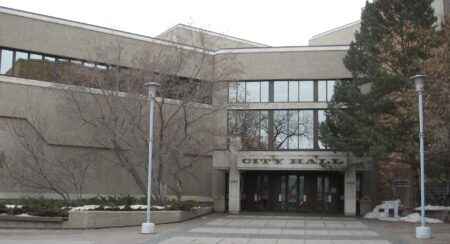
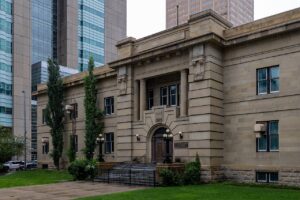
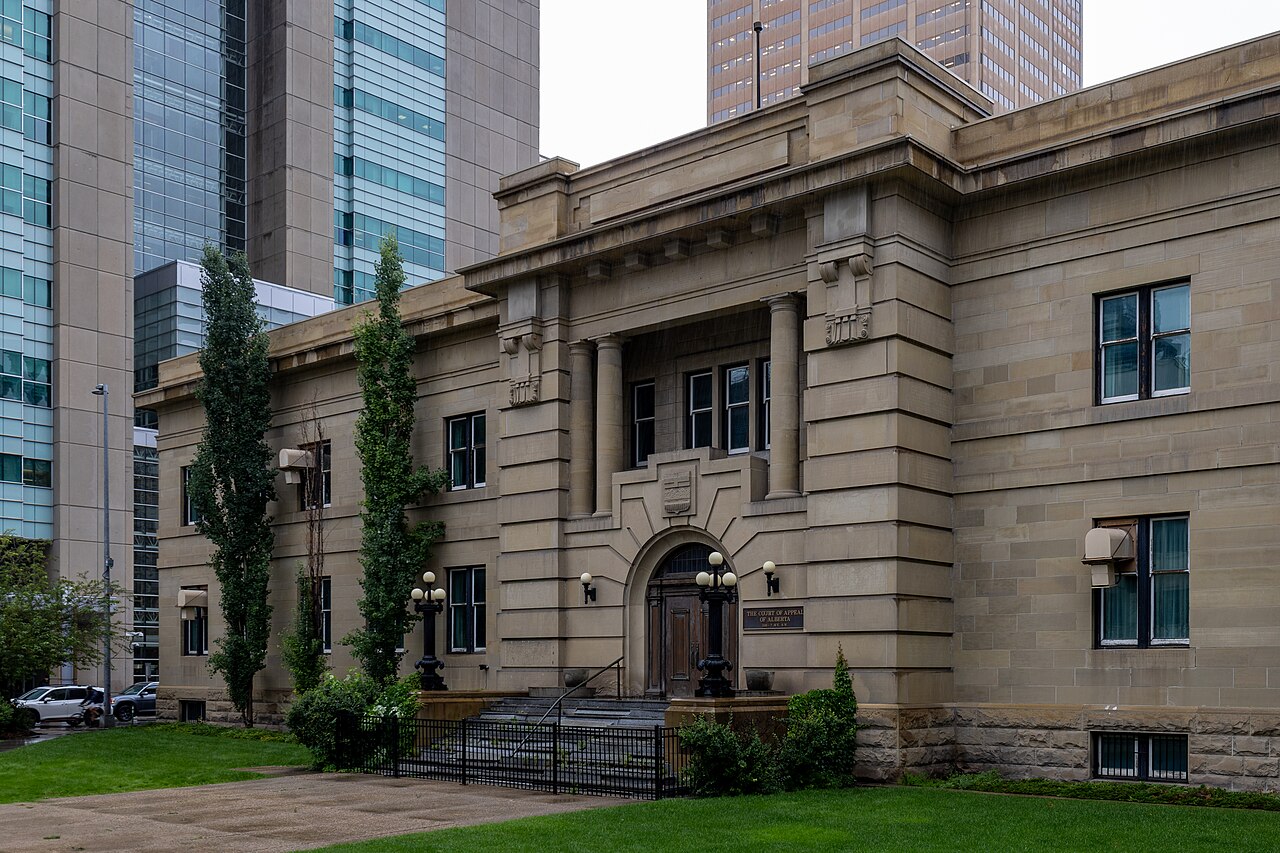
File photo: the Court of Appeal of Alberta building in Calgary (Chris Woodrich, CC BY-SA 4.0, Wikimedia Commons).
Follow Canada News Media
Get the day's top Canadian stories and our two daily 60-second news videos wherever you scroll.
X Threads Facebook Instagram LinkedIn TikTok YouTube Pinterest Reddit Substack Flipboard Newsletter RSS