


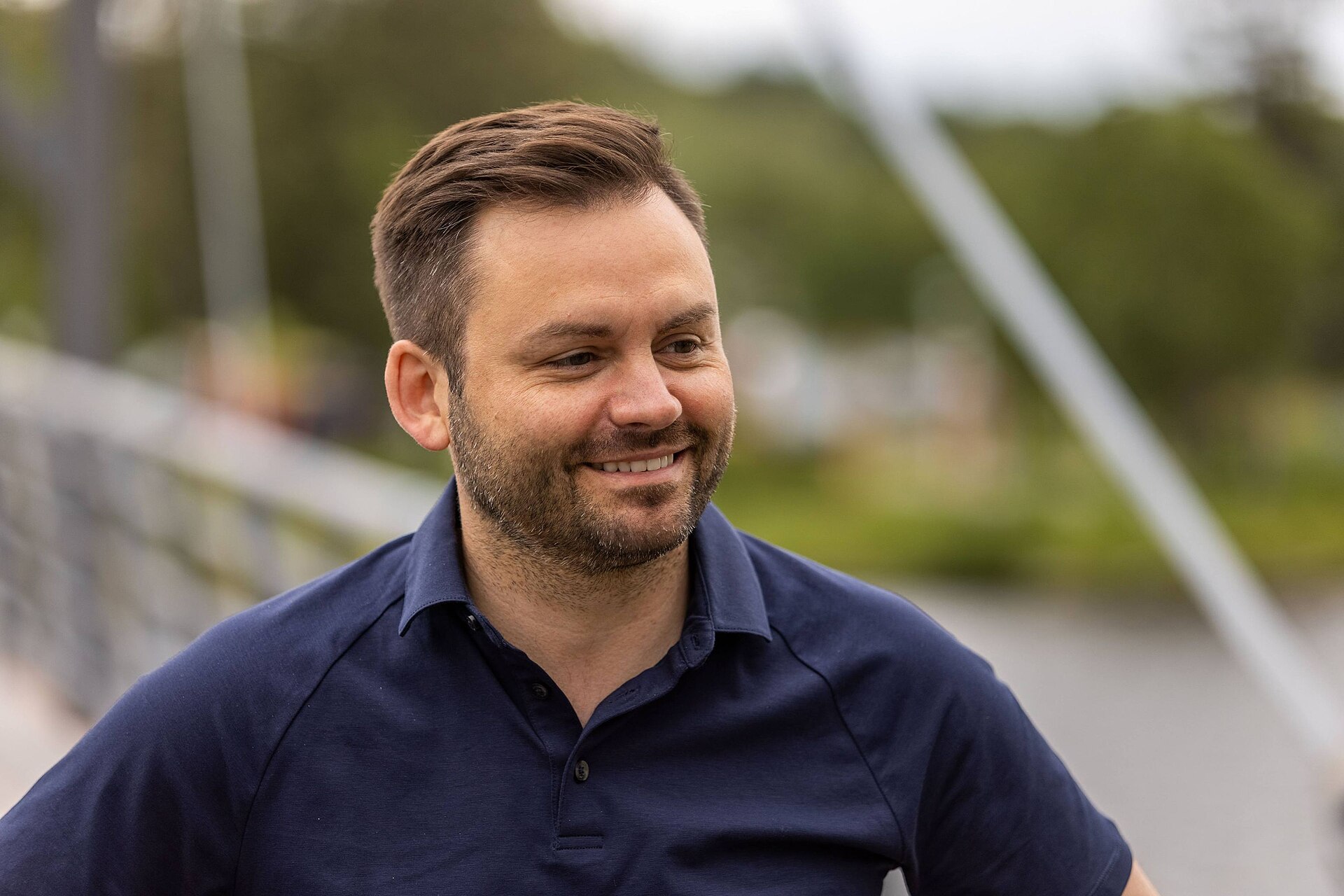
For the first time since 1970, police officers no longer provide close protection for Quebec’s premier, as special constables from the province’s Ministry of Internal Security have taken over from the Sûreté du Québec, La Presse reported Friday.
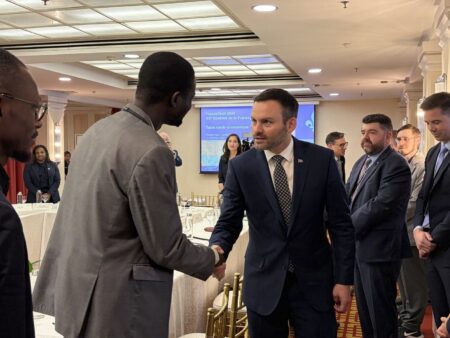
Premier Paul St-Pierre Plamondon’s team made the switch after he returned from the Francophonie summit in Cambodia earlier this week, where police officers accompanied him. The change was first reported by Québecor media outlets and later confirmed by La Presse.
The Sûreté du Québec said it is taking all necessary steps to ensure an orderly transition with the new people responsible for the premier’s protection.
The office of the minister of internal security declined to explain the reasons, saying that for security reasons no information on protection measures deployed by the ministry or the provincial police can be released. The ministry said it is responsible for the close protection of all members of the executive council and works in partnership with the Sûreté du Québec.
Yannick Dion, who was deputy director of criminal investigations at the Sûreté du Québec until he retired in March, told La Presse he is worried about the loss of proximity between police and the premier. He said the chain of communication is being stretched and that an added filter could slow very fast decisions when the premier must be removed from a dangerous situation (translated from French).
Dion also noted that the provincial police have access to intelligence on threats followed in real time by teams of analysts, an infrastructure he said the ministry does not have. He added that he assumed the government had a plan and did not want to be alarmist (translated from French).
Special constables are peace officers whose powers are set out in their letters of appointment, according to the Quebec government. They are mostly posted at institutions such as courthouses.
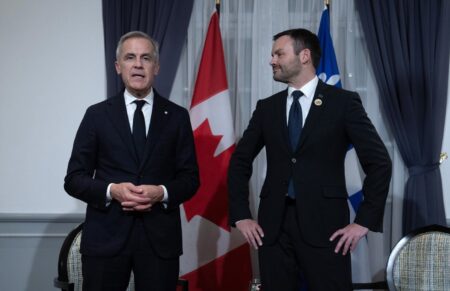
St-Pierre Plamondon’s Parti Québécois formed government after the October election. The premier met Prime Minister Mark Carney on the sidelines of the Francophonie gathering, where Canada was also confirmed as host of the 2028 summit in the Ottawa region. At home, his government has been dealing with a $65-billion infrastructure gap and record-low polling support for sovereignty.
The premier’s office had not publicly explained the decision by Friday evening.
If you find reporting like this useful, consider supporting Canada News Media, an independently owned Canadian newsroom.
Follow Canada News Media
Get the day's top Canadian stories and our two daily 60-second news videos wherever you scroll.
X Threads Facebook Instagram LinkedIn TikTok YouTube Pinterest Reddit Substack Flipboard Newsletter RSS