
Greenhouse gas emissions across the Greater Toronto and Hamilton Area rose eight per cent from 2024 to 2025, the largest annual increase since tracking began in 2015, according to a report released Tuesday by The Atmospheric Fund.
The regional climate agency said it was the fifth straight year of rising emissions. Bryan Purcell, the agency’s vice-president of policy and programs, said the increase leaves the region “way off track” from the climate targets local governments have set. If Toronto’s 2030 target were applied to the whole region, the agency said, emissions would have to fall about 16 per cent a year from here.
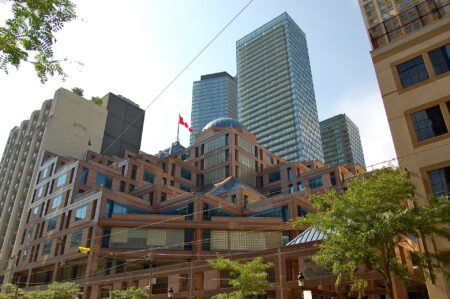
Buildings, which produce nearly half of the region’s emissions, drove much of the jump. Emissions from buildings rose 15 per cent, mostly from burning gas for heat. Heating emissions were up 14 per cent after a colder winter, and still rose three per cent once the agency adjusted for weather, which it said points to an underlying problem with aging, inefficient housing.
Electricity-related emissions from buildings climbed 26 per cent. The report ties that to Ontario’s grid, where nearly a fifth of electricity came from fossil fuels last year, the most since the coal phaseout, as gas plants filled the gap left by nuclear reactors offline for refurbishment.
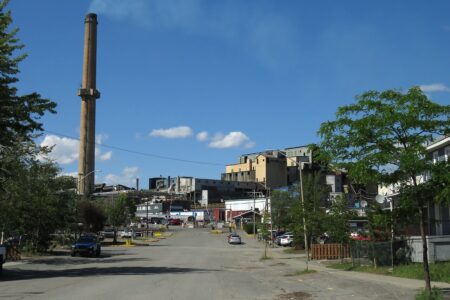
Transportation, the next-largest source, rose between one and three per cent across most of the region, Purcell said, as more cars hit the road and drivers kept choosing larger, less efficient vehicles. Transit ridership fell about 1.5 per cent and remains well below pre-pandemic levels. Industrial emitters, mostly steel and cement makers, showed no progress, with decarbonization plans described as stalled.
The agency pointed to some progress. Toronto recently removed local barriers to installing heat pumps and electric vehicle chargers, Ontario bought a record amount of battery storage this year that beat gas on cost, and Ottawa announced a $2-billion building retrofit program that includes heat pump rebates of up to $10,000.
But the report said policy rollbacks risk overshadowing those gains. Premier Doug Ford’s government has blocked Toronto and other municipalities from enforcing green building standards, a change Purcell said set the city back about 10 years on the efficiency of new buildings. Ottawa also cancelled its electric vehicle sales mandate earlier this year and has not yet delivered the stronger tailpipe rules it promised in its place, he said.
Purcell said the findings challenge the argument that climate action must wait while households struggle with affordability, because building retrofits, heat pumps and better transit also cut costs. He said Toronto’s proposed building emissions performance standards for existing buildings are among the most significant local climate policies now under consideration.
The report lands as Ford presses Ottawa to drop the industrial carbon price in an effort to keep automaker Stellantis from selling its idled Brampton plant, a push Canada News Media reported on last week. Federal and provincial officials separately formed a carbon market linking group earlier this month. The Atmospheric Fund published its findings on its website. The Canadian Press first reported on the study.
If you find reporting like this useful, consider supporting Canada News Media, an independently owned Canadian newsroom.
Follow Canada News Media
Get the day's top Canadian stories and our two daily 60-second news videos wherever you scroll.
X Threads Facebook Instagram LinkedIn TikTok YouTube Pinterest Reddit Substack Flipboard Newsletter RSS