



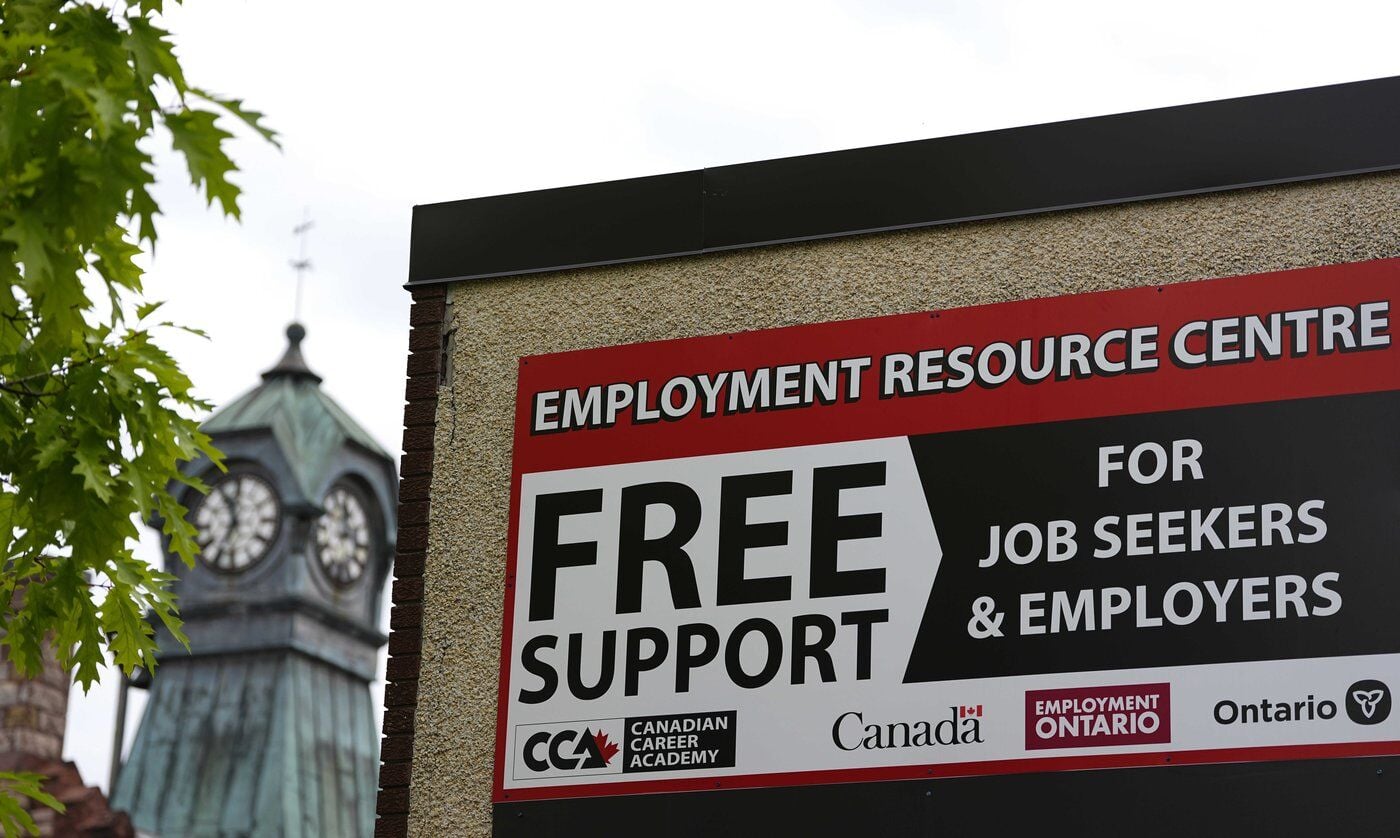
Job vacancies in Canada rose by 17,300 to 528,100 in September, the first monthly increase since December 2025, Statistics Canada reported Thursday.
The 3.4 per cent gain from August lifted the job vacancy rate to 2.9 per cent after nine straight months at 2.8 per cent. Compared with September 2025, there were 35,900 more open positions, an increase of 7.3 per cent.
Competition for those jobs eased a little. There were 2.8 unemployed people for every vacancy, down from 2.9 in August and 3.3 a year earlier. It was the lowest ratio since October 2024.
Much of the increase over the year came from two service industries. Retail trade had 10,900 more vacancies than a year earlier, up 24.4 per cent, while accommodation and food services had 8,700 more, up 15.7 per cent.
Together, those two sectors equalled about 55 per cent of the country’s net increase of 35,900, a Canada News Media calculation shows. Adding manufacturing, where vacancies rose 7,100, or 20.2 per cent, brings the three to about 74 per cent. Other sectors had both gains and losses.
On a monthly basis, retail led with 5,500 more openings, followed by administrative and support, waste management and remediation services, up 4,200, and information and cultural industries, up 1,500.
Health care and social assistance moved the other way, with 5,400 fewer vacancies than a year earlier, a drop of 5.5 per cent. The sector still holds a much bigger share of the country’s openings than it did in 2019.
Among provinces, Manitoba had the highest vacancy rate at 3.4 per cent, followed by Alberta at 3.3 per cent. Prince Edward Island had the lowest at 2.5 per cent, with Ontario at 2.6 per cent.
Over the year, the rate rose 0.7 percentage points in Manitoba, 0.6 points in Alberta and 0.2 points in Quebec. Prince Edward Island was the only province where it fell.
Hiring itself barely moved. The number of employees on payrolls rose by 9,700, or 0.1 per cent, in September after a combined drop of 31,400 in July and August. Payroll employment was up 127,800, or 0.7 per cent, from a year earlier.
Health care and social assistance added 7,900 payroll jobs in the month, construction added 7,700 and retail added 6,400. Manufacturing lost 7,300, with transportation equipment and food makers leading the decline. In Alberta, oil, gas and mining payrolls remain well below their 2014 level.
Average weekly earnings were $1,357.92, up 3.3 per cent from a year earlier, following a 3.4 per cent increase in August. Statistics Canada said changes in that average can reflect wages, the mix of jobs, hours worked and other factors.
The payroll survey does not count the self-employed or farm workers, and it differs from the monthly household labour force survey. We recently reported that the number of jobless people who had never worked hit a record for October.
If you find reporting like this useful, consider supporting Canada News Media, an independently owned Canadian newsroom.
Sources: Statistics Canada, Payroll employment, earnings and hours, and job vacancies, September 2026. Monthly estimates are seasonally adjusted. Sector shares of the yearly change are Canada News Media calculations.
Follow Canada News Media
Get the day's top Canadian stories and our two daily 60-second news videos wherever you scroll.
X Threads Facebook Instagram LinkedIn TikTok YouTube Pinterest Reddit Substack Flipboard Newsletter RSS