


The federal government tabled Bill C-39, the Building Canada Strong Act, in the House of Commons on Sept. 21, 2026, the Liberals’ first day back from summer recess, promising to speed up approvals for major infrastructure projects while pledging to “uphold Indigenous rights,” according to the government’s own characterization of the bill reported by BNN Bloomberg. Three days earlier, Assembly of First Nations National Chief Cindy Woodhouse Nepinak had laid out a list of unresolved First Nations priorities for the fall sitting that the new bill does not appear to touch, a gap this outlet’s own coverage over the past week suggests is becoming a pattern.
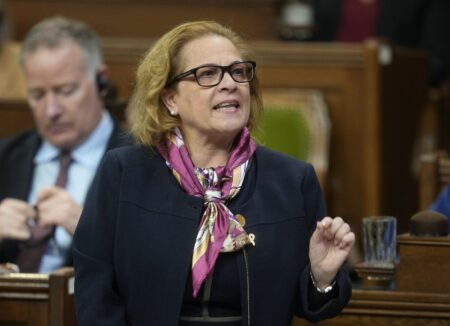
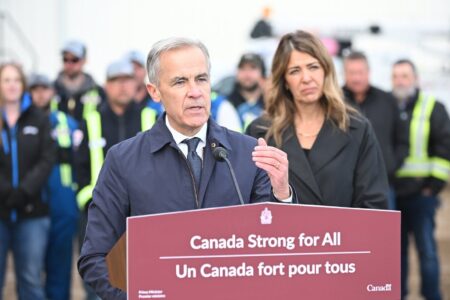
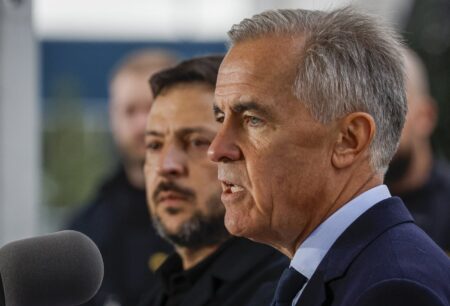
Government House Leader Steven MacKinnon, Jobs Minister Patty Hajdu and Intergovernmental Affairs Minister Dominic LeBlanc introduced the legislation, which the government has called “the most comprehensive and ambitious reform to Canada’s ability to get big things built in a generation.” Prime Minister Mark Carney has framed the bill’s goal as “one project, one review, one year,” extending the fast-track approvals model his government introduced last year through the Building Canada Act. LeBlanc said the legislation means “more projects getting built, more good Canadian jobs, stronger supply chains and more opportunities to trade with the world.” The bill follows Carney’s Canada Investment Summit this month, where the government set a target of attracting $1 trillion in foreign investment across more than 150 infrastructure projects.
The bill also proposes Labour Code changes affecting collective bargaining in industries with a history of strikes, drawing an early warning from organized labour. Canadian Labour Congress president Bea Bruske said unions “will be watching (C-39) closely” and called any restriction on the right to strike “unacceptable,” adding, “we can’t have our elbows up against (U.S. President Donald) Trump with our hands tied at the bargaining table.” NDP MP Don Davies asked why Liberals are “intervening for wealthy investors instead of standing with workers,” while Green Leader Elizabeth May said she does not like “the degree to which government is already interfering in collective bargaining.” Bloc Québécois Leader Yves-François Blanchet raised a separate concern, warning the bill risks telling foreign investors “there will be no more environmental regulations.”
What has drawn less attention is how the bill lands against unfinished business with First Nations. On Sept. 17, in Treaty 2 territory in Brandon, Man., Woodhouse Nepinak told the AFN that “our rights are our rights, and this land is our land,” listing sustainable economic development and major projects regulation among priorities First Nations still expect Ottawa to act on this fall, alongside a First Nations policing law, repeal of the Indian Act’s second-generation cut-off rule and amendments to the proposed First Nations Clean Water Act. That statement came two months after AFN chiefs voted at their July general assembly to formally oppose the Carney government’s approach to major projects reform. It also followed this outlet’s reporting this week on Indigenous youth touring Ontario to challenge the year-old fast-track law Bill C-39 builds on, and on a separate federal water bill that dropped a First Nations rights reference from its text.
The government says C-39 will “reshape the regulatory approvals process, maintain Canada’s rigorous standards and uphold Indigenous rights,” but as of this week, no Indigenous organization had issued a public response to the bill’s actual text, only to the broader fast-track approach it extends. A First Nations-First Ministers’ Meeting set for Oct. 26 in Ottawa, with First Nations setting the agenda, is likely to be the next test of whether that promise holds. Bill C-39 has not yet cleared second reading, and how the government answers AFN’s consultation concerns before then may matter as much as the bill’s approval timelines.
Via BNN Bloomberg. Read the original report: Liberals table bill to speed up major projects, labour groups voice concerns about impact on strike action.
Follow Canada News Media
Get the day's top Canadian stories and our two daily 60-second news videos wherever you scroll.