
Test every smoke alarm and carbon monoxide alarm in the house this week using the test button on each unit, and replace any battery that is more than a year old. That is the core of pre-winter alarm maintenance, and fire departments across Canada push the same reminder every fall for good reason: furnaces, fireplaces and other fuel-burning appliances that sat idle all summer are about to switch back on, and a cracked heat exchanger, a blocked vent or a dead battery is exactly what lets carbon monoxide build up unnoticed. The stakes are rising in Ontario specifically. Starting Jan. 1, 2026, the Ontario Fire Code requires a carbon monoxide alarm on every storey of a home, not only in the hallway outside bedrooms, a change fire officials tie to homes where the alarm covered the sleeping area but not a basement rec room with a furnace or a fireplace. Even outside Ontario, the same logic holds everywhere in Canada: a working alarm only helps if it has been tested, powered and placed correctly before the heating season starts, not after someone in the house develops a headache that will not go away.
- Test every alarm with the button. Press and hold the test button on each smoke alarm and each carbon monoxide alarm, one at a time, until it sounds, so you know every unit in the house still works. Ontario’s fire code guidance and Kawartha Lakes Fire Services both call for doing this monthly, and a seasonal check now is a good way to catch up if it slipped over the summer.
- Check the manufacture date and retire old units. Look for a manufacture or installation date printed on the back or side of each alarm. Most smoke and carbon monoxide alarms need to be replaced entirely about 10 years from that date, even hardwired models, according to Kawartha Lakes Fire Services. If there is no visible date, or the alarm was already there when you moved in, replace it rather than guess at its age.
- Replace the batteries, unless the unit is sealed. Put a fresh battery in every alarm that takes one. Ontario’s provincial guidance calls for replacing batteries annually, while British Columbia’s fire safety guidance recommends doing it twice a year, so use the fall furnace check and the spring clock change as your two reminders unless your alarm has a sealed, long-life battery built to last its full 10-year lifespan. Check the packaging or manual before prying one open.
- Clean each alarm. Vacuum every alarm with a soft brush attachment, or wipe the casing with a dry cloth, to clear the dust that can trigger false alarms or dull the sensor. Fire safety guidance recommends doing this about every six months, and fall is one of the two easy times of year to remember it.
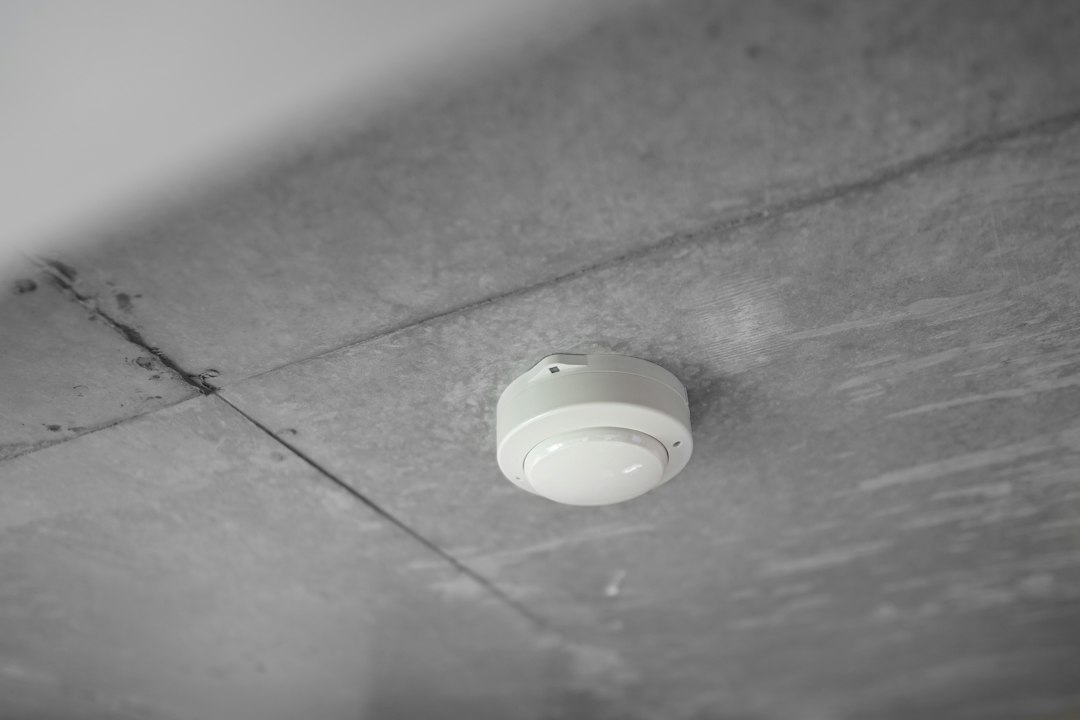
- Check placement against current guidance. Make sure at least one smoke alarm and one carbon monoxide alarm sit in the hallway or area just outside every sleeping area, and add a carbon monoxide alarm on any storey with a furnace, fireplace, gas appliance or attached garage even if no one sleeps there, in line with Health Canada’s guidance and Ontario’s updated fire code. Keep carbon monoxide alarms roughly 15 feet from fuel-burning appliances and away from windows, vents, bathrooms and the peak of a vaulted ceiling, where British Columbia’s fire safety guidance notes CO can be slow to reach the sensor.
- Check the outdoor exhaust vents. Walk around the outside of the house and confirm the exhaust vents for the furnace, dryer, water heater and any gas fireplace are clear of leaves, debris and built-up dirt. Health Canada specifically flags these vents as a winter hazard once snow starts piling against them, so it is worth a look now during fall cleanup and again after the first snowfall.
- Agree on a response plan with everyone in the house. If an alarm sounds, leave the home immediately, do not stop to look for the source, and call 911 or the local emergency number from outside, according to both Ontario and federal guidance. Carbon monoxide has no smell and no colour, so the alarm, not how anyone happens to feel, is what should trigger the exit.
None of this takes more than about fifteen minutes and a step stool for alarms mounted on the ceiling. Testing now, before the furnace is running around the clock, means a dead battery or an expired unit gets caught while there is still time to fix it, rather than during the first cold snap of the season.
Follow Canada News Media
Get the day's top Canadian stories and our two daily 60-second news videos wherever you scroll.