


Calgary-based E3 Lithium said Thursday it is close to finishing the second phase of its demonstration facility in central Alberta, the last major set of data it needs to design a commercial plant that would produce about 12,000 tonnes of battery-grade lithium carbonate a year.
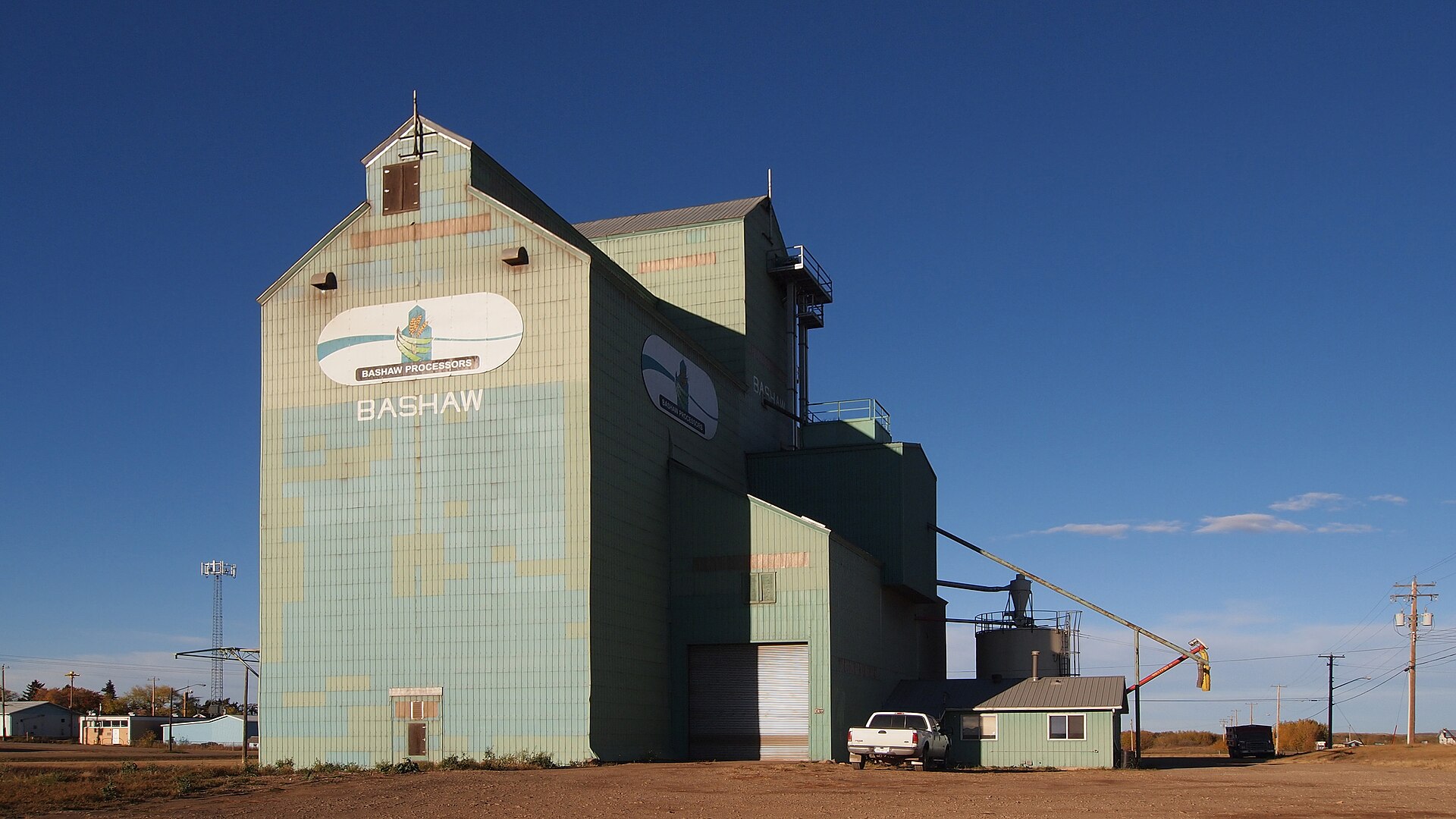
The company outlined the milestone and its path to commercial production in a news release issued Oct. 22, 2026. The Clearwater Project, in the Bashaw district of central Alberta, would draw lithium from brine in the Leduc reservoir, the same deep formation that launched Alberta’s oil boom in 1947.
The second phase involved drilling and running a full-size producing and injection well pair built to the project’s pre-feasibility specifications. E3 said the work confirmed sustained production from the Leduc reservoir and consistent brine chemistry across the wider resource.
The first phase, commissioned about a year ago, produced battery-grade lithium carbonate with a 30-column direct lithium extraction system. E3 said it will restart that system in the fourth quarter of 2026, shortly after the second phase ends, and plans to start a commercial-scale extraction column in 2027 to give lenders, partners and buyers the operating data they need.
“Clearwater is moving forward on every front towards commercial production,” said Chris Doornbos, E3’s CEO and chair. “E3 is designing the Clearwater Project exactly as we intend to build it.”
The project still needs regulatory approval. Between December 2025 and January 2026, E3 filed a Directive 056 facility licence application and an Environmental Protection and Enhancement Act application with the Alberta Energy Regulator for its central processing facility, which would be scalable to 30,000 tonnes a year. Those are the key permits needed to build and run the plant, the company said.
The company has not yet secured financing for construction. E3 said reaching “shovel-ready” status would let it pursue project financing toward a final investment decision, and it is weighing strategic capital and project-level debt and equity.
Ottawa has backed the work. The demonstration’s third phase and front-end engineering are supported by up to $36.5 million in non-repayable funding from Natural Resources Canada’s Global Partnerships Initiative, and E3 closed an equity financing of about $11.5 million in gross proceeds in September, the company said.
E3 has signed non-binding memorandums of understanding toward possible sales with Epsilon CAM in India and Axens in France, and one with Tees Valley Lithium in the United Kingdom for converting carbonate to hydroxide. None is a binding supply contract.
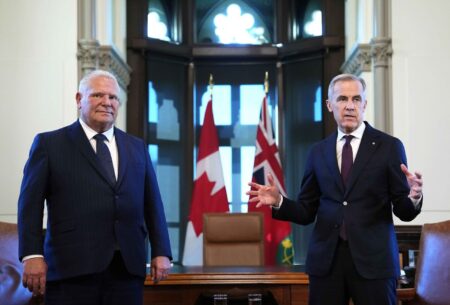
For Alberta, the project is a test of whether the province’s oilfield geology and drilling know-how can support a new critical minerals industry for electric vehicle batteries. Federal and provincial governments have put critical minerals at the centre of recent industrial plans, including the $8.7-billion steel, autos and mining plan announced by Prime Minister Mark Carney and Ontario Premier Doug Ford on Thursday.
Alberta’s energy regulator has also been busy on the oil side, recently suspending Sumerian Oil and Gas sites, while a widening discount on Western Canadian Select has squeezed what Alberta producers earn on each barrel.
E3’s pre-feasibility study estimated an after-tax net present value of US$3.7 billion for Clearwater at an eight per cent discount rate. These are company estimates, and the project’s costs and timing remain subject to permits and financing.
If you find reporting like this useful, consider supporting Canada News Media, an independent Canadian newsroom with no corporate parent.
Follow Canada News Media
Get the day's top Canadian stories and our two daily 60-second news videos wherever you scroll.
X Threads Facebook Instagram LinkedIn TikTok YouTube Pinterest Reddit Substack Flipboard Newsletter RSS