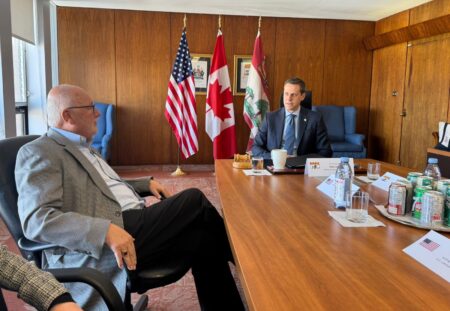



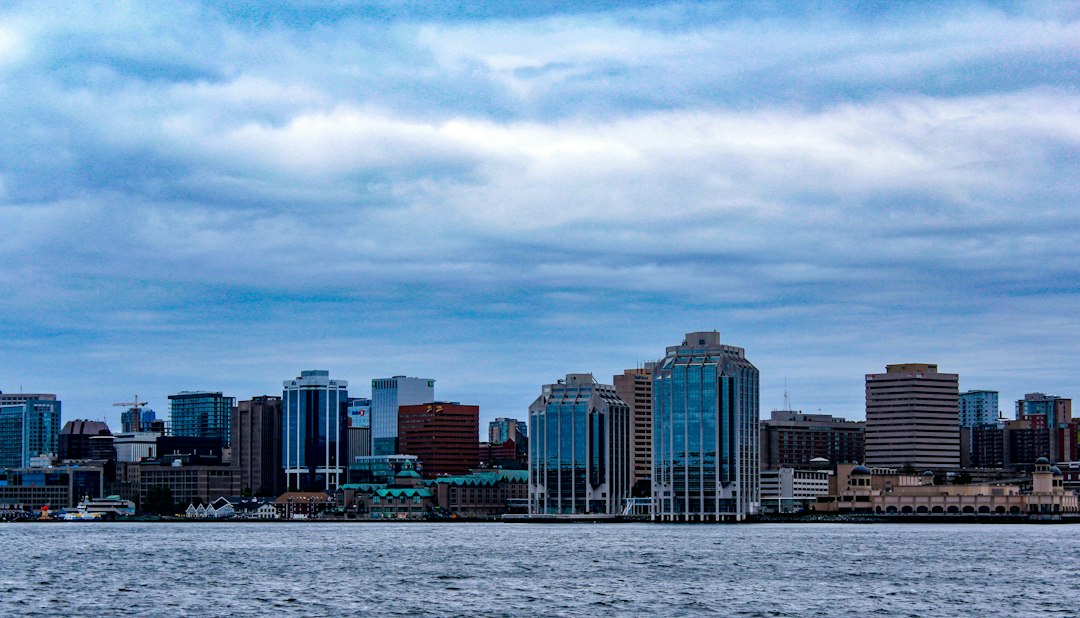
Halifax Mayor Peter Kelly apologized on Feb. 24, 2010, to former residents of Africville and their families on behalf of Halifax Regional Municipality, four decades after the city razed the Black community.
The apology was part of a negotiated settlement with the Africville Genealogy Society, which was created in 1983. The municipality said the settlement included land for a replica church, $3 million in financial support for capital construction and endowment, the renaming of Seaview Park to Africville, an employment contract for park maintenance, an African Nova Scotian Affairs Office and a formal acknowledgment of loss.
Regional council ratified the deal at its weekly meeting the Tuesday before the apology, CBC News reported. Kelly said the aim was to “commemorate the past and take positive steps for the future,” CBC reported.
CBC also reported, citing one published report, that the settlement amounted to a $3-million payout and about one hectare of municipal land, with no money for individuals or families. Brenda Steed-Ross, a founding member of the society who was forced out at 18, told CBC: “There’s a light at the end of the tunnel.”
The municipality says Africville was officially settled in the 1840s, when William Brown and William Arnold bought land there. CBC has put the community’s origins in the 1830s. The municipality describes it as a predominantly African Nova Scotian community for more than 150 years before the city razed and relocated it between 1964 and 1970.
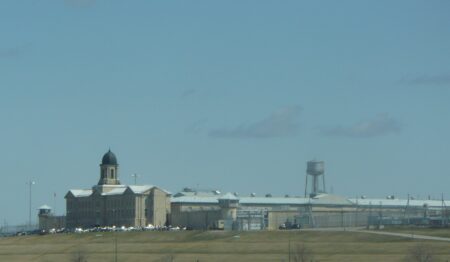
The land was designated industrial in 1947, the municipality said. In 1955, an infectious disease hospital, a prison and the city dump were relocated near the community.
In 1962, regional council adopted a recommendation to remove what it called “blighted housing and dilapidated structures” in the area, according to the municipality. The city bought the first Africville properties in July 1964, and the relocation program was largely completed by the end of 1967.
The last resident, Aaron “Pa” Carvery, left his home on Jan. 2, 1970, the municipality said. By then about 400 people from 80 families had been relocated. CBC has given the number of families evicted as more than 70, and has reported that the site was cleared to make way for a bridge.
The route to the apology was long. Former residents filed a suit against the city in March 1996, and discussions reopened in 2001. A tripartite committee was established in June 2005, and a feasibility study presented in December 2006 recommended a replica church and an interpretive centre, according to the municipality.
On Jan. 14, 2011, the municipality transferred 2.5 acres of Seaview Park to the new Africville Heritage Trust Board. It said the $3 million announced the previous November for rebuilding and operating the Seaview United Baptist Church was split into $2.5 million for construction and $500,000 for installing services.
“This is further evidence of our solemn commitment to the people of Africville and their descendants,” Kelly said in the municipality’s release. Irvine Carvery, then president of the genealogy society, said the return of the land “repairs a tear in the fabric of our souls.”
The replica church drew a more mixed response when it was unveiled, CBC reported. Eddie Carvery, who has protested at the site since 1970, said the church “doesn’t correct the injustice.” Poet and scholar George Elliott Clarke called the unveiling “the beginning of a recovery of culture and history that had been neglected,” according to CBC.
The municipality ran a public visioning project for Africville in May 2024, with open houses on May 25 and May 27, as the first of three planned phases.
Africville belongs to a wider Halifax-area Black history that includes the Nova Scotia school segregation that ended only in 1983 and the Black Baptist hockey league founded in Halifax in 1895.
The municipality’s own account of the apology lists land, funding and acknowledgment as the settlement’s terms. It does not list payments to individual former residents.
If you find reporting like this useful, consider supporting Canada News Media, an independent Canadian newsroom with no corporate parent.
Follow Canada News Media
Get the day's top Canadian stories and our two daily 60-second news videos wherever you scroll.
X Threads Facebook Instagram LinkedIn TikTok YouTube Pinterest Reddit Substack Flipboard Newsletter RSS