
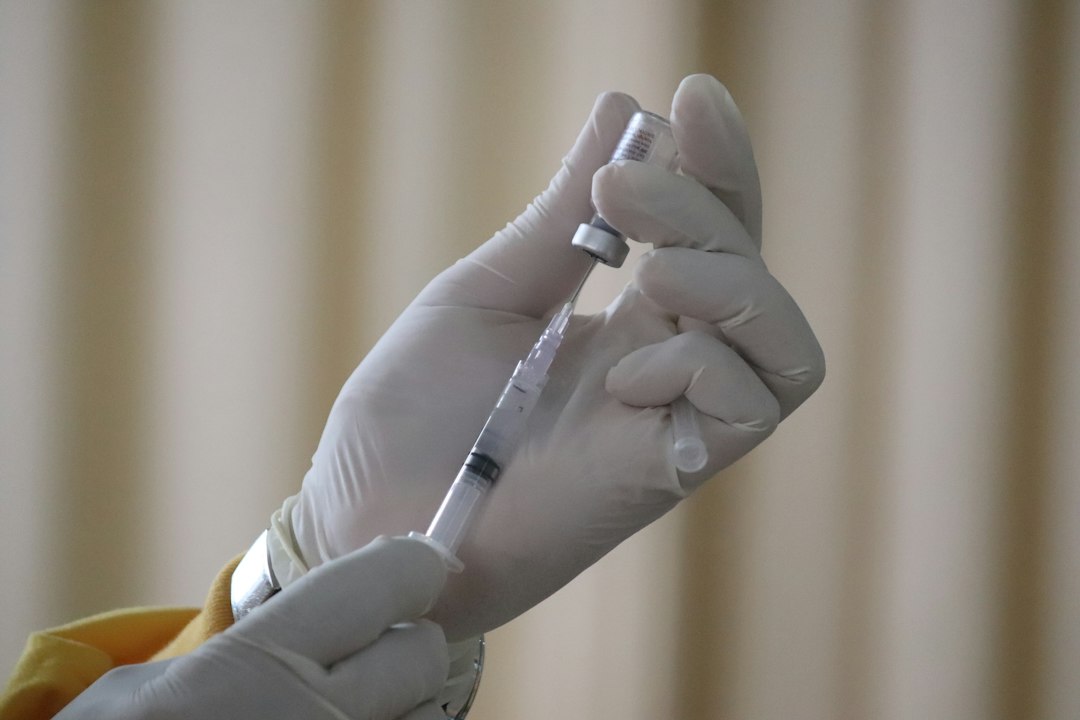
Publicly funded hepatitis A vaccine in Canada is mostly limited to specific groups, and the rules differ by province, according to provincial public health pages and the Public Health Agency of Canada’s (PHAC) vaccination schedule. The topic is timely because Manitoba has been tracking an ongoing outbreak since April 2025 and widened free-vaccine eligibility in July 2026.
Hepatitis A is a liver infection that spreads mainly through person-to-person contact and contaminated food or water. Manitoba Health says some people, especially young children, have no symptoms. When symptoms appear, they can include fever, loss of appetite, tiredness, nausea, vomiting, abdominal pain, diarrhea, dark urine, clay-coloured stools and jaundice. They usually start 14 to 28 days after exposure, and can take up to 50 days.
Unlike measles or tetanus shots, hepatitis A vaccine is not part of a routine schedule in most of the country. PHAC’s provincial and territorial schedule, last modified Aug. 7, 2026, lists a publicly funded single-antigen hepatitis A dose for children only in British Columbia, Saskatchewan and Quebec. The page defines “N/A” as not publicly funded, and it shows N/A for every other province and territory.
Below is what each official source says. Where a page does not spell out who qualifies, this article says so. Eligibility can change, so confirm with your local public health office before you book.
Manitoba
Manitoba’s vaccine eligibility page, updated in October 2026, says Manitobans aged six months or older can get one free dose if they live in an Indigenous community in the province, travel regularly to Indigenous communities or have household visitors from them. Children born on or after Jan. 1, 2010, who meet those criteria can get a second dose.
The same page lists other free-dose groups: people who have had contact with cases, inmates of correctional facilities, staff and volunteers of community organizations in Winnipeg that serve people experiencing homelessness, people experiencing homelessness, people who use drugs, gay, bisexual and other men who have sex with men, and people aged six months or older with certain high-risk medical conditions.
The province says the risk to the general public is low. Its most recent public notification listed, number three, is dated Sept. 25, 2026. In a Feb. 2 news release, Manitoba Health reported 308 cases linked to the outbreak as of Jan. 18. That figure is dated, so check the province’s page for current numbers.
To get the vaccine, contact your health-care provider, local public health office or nursing station. Health Links-Info Santé can be reached at 204-788-8200 or 1-888-315-9257. Manitoba does not cover hepatitis A vaccine for travel.
British Columbia
HealthLinkBC says the vaccine is free for Indigenous children and youth aged six months to 18 years. It is also free for people at high risk of infection or severe illness, including people who inject drugs, men who have sex with men, people with HIV, hepatitis B or C or chronic liver disease, people with hemophilia, people who have had certain transplants, people in correctional facilities and close contacts of an infected person.
People who ate food prepared by a food handler with hepatitis A are also covered. Anyone who may have been exposed can get one free dose within 14 days of exposure.
Alberta
Alberta Health Services says people with liver problems and people at risk of contact with the virus can get the vaccine. The page says it “may be free” for people with liver problems and a risk of contact, and advises contacting a public health nurse or local public health centre to confirm. Travel doses must be paid for.
Saskatchewan
The Saskatchewan government’s immunization page lists hepatitis A at 12 and 18 months for children living on reserves and in select northern communities. Under “individuals with select risk factors,” it says some people are eligible and to check with a public health nurse. It does not name the risk factors.
Ontario
Ontario’s publicly funded immunization schedule (the version posted in January 2024) lists hepatitis A vaccine under its high-risk programs for people aged one year and older. The listed criteria are injection drug use, chronic liver disease including hepatitis B and C, and men who have sex with men.
In northwestern Ontario, the Northwestern Health Unit said July 8 that people are also eligible if they travel regularly to, or have household visitors from, several northern Manitoba First Nations, or are attending the Manitoba Indigenous Summer Games. The release did not describe a booking process and advised talking to a health-care provider.
Quebec
Quebec’s school vaccination page, last updated Jan. 30, 2026, says the vaccines offered in Grade 4 of primary school are free. Hepatitis A is among them. PHAC’s schedule also lists a combined hepatitis A and B vaccine at 18 months in Quebec.
New Brunswick
New Brunswick’s government says publicly funded vaccine is offered to people exposed through close contact with someone infected, and to people with health conditions or circumstances that put them at greater risk. Local public health offices serve close contacts, and a primary care provider can give the vaccine to higher-risk people. Travel doses are available for a fee from travel clinics or pharmacies.
Nova Scotia
Nova Scotia’s hepatitis A page does not say who qualifies for free vaccine or what it costs. It says immune globulin or vaccine may be recommended after contact with an infected person, and directs people to their doctor, Public Health Services or 811.
Prince Edward Island
PEI’s adult schedule recommends the vaccine for adults with risk factors that include chronic liver disease, HIV, injection or non-injection drug use, alcoholism, men who have sex with men and repeated receipt of plasma-derived clotting factors. It does not explicitly say the vaccine is publicly funded. It says some insurance companies may cover it, and the Chief Public Health Office, at 902-368-4996, can confirm funding.
Newfoundland and Labrador
The province’s immunization page does not say who is eligible. It links to a hepatitis A fact sheet and tells people to ask a community health nurse.
Yukon, Northwest Territories and Nunavut
Yukon’s July 2023 hepatitis A guidelines refer to targeted immunization of high-risk groups and point to the Yukon Immunization Program manual for the list. They do not state whether the vaccine is publicly funded. This article did not find a hepatitis A eligibility page for the Northwest Territories or Nunavut, so residents should ask their local health centre or public health nurse.
What to do if you think you were exposed
Contact your health-care provider or local public health office promptly. BC’s guidance of one dose within 14 days of exposure reflects how time-sensitive post-exposure vaccine can be. Manitoba Health’s Feb. 2 release says the vaccine is very effective, even when given after exposure to a case.
This article is based on official guidance from the Public Health Agency of Canada and provincial and territorial public health authorities and is provided for general public information. It’s not a substitute for medical advice, if you have questions about how this applies to you, talk to your doctor or pharmacist.
If you find reporting like this useful, consider supporting Canada News Media, an independent Canadian newsroom with no corporate parent.
Sources: PHAC provincial and territorial routine vaccination schedule; Manitoba vaccine eligibility; Manitoba hepatitis A; Manitoba news release, Feb. 2, 2026; HealthLinkBC; Alberta Health Services; Government of Saskatchewan; Ontario immunization schedule; Northwestern Health Unit; Quebec.ca; New Brunswick; Nova Scotia; PEI adult schedule; Newfoundland and Labrador; Yukon.
Follow Canada News Media
Get the day's top Canadian stories and our two daily 60-second news videos wherever you scroll.
X Threads Facebook Instagram LinkedIn TikTok YouTube Pinterest Reddit Substack Flipboard Newsletter RSS