


About one in four adults in Canada lives with diagnosed high blood pressure, according to the Public Health Agency of Canada (PHAC). For many of them, the condition arrived without any warning. That is what makes it worth understanding: a reading on a cuff can reveal a problem long before the body complains.
PHAC’s surveillance data for 2023 to 2024 shows that about 25 per cent of adults aged 20 and older have been diagnosed with hypertension, the medical term for high blood pressure. The agency reports that males and females are equally affected. Those figures count only people who have been diagnosed, so the true number of people with elevated pressure may be higher.
What blood pressure actually measures
PHAC describes blood pressure as the force of the blood against the walls of your arteries. Every time your heart beats, it pushes blood through those vessels. When the pressure inside them stays too high, the vessels are under constant strain, and over time that strain can cause damage.
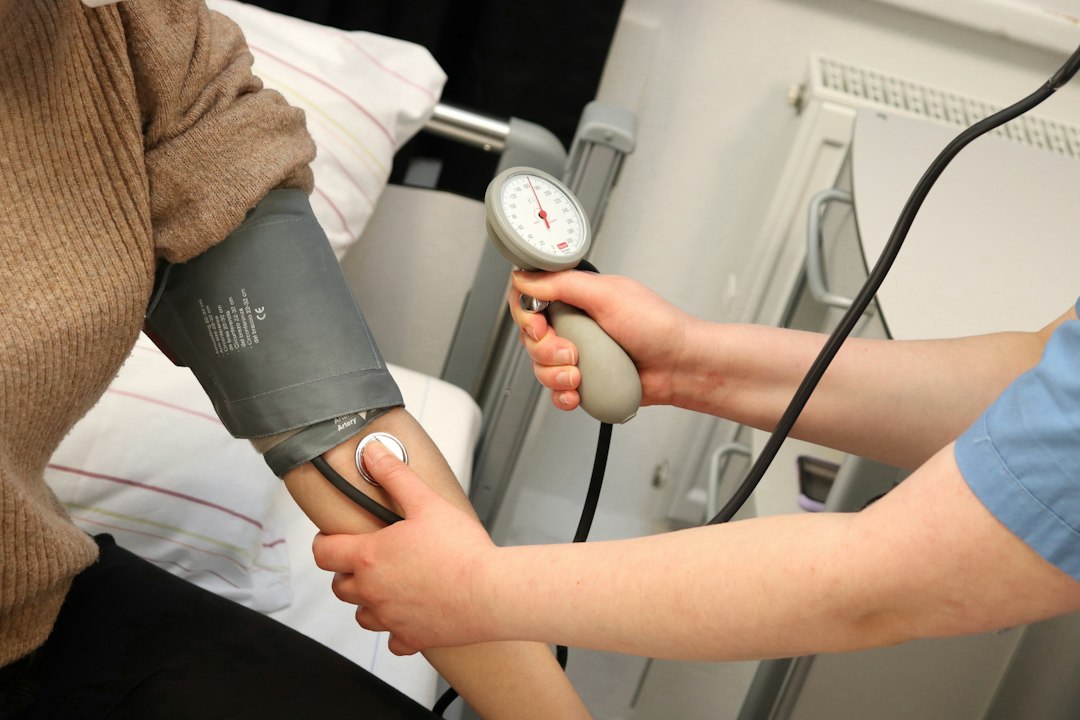
A reading is written as two numbers, measured in millimetres of mercury (mmHg). The top number is the systolic pressure, taken when the heart beats. The bottom number is the diastolic pressure, taken when the heart relaxes between beats. A reading of 120/80 is said aloud as “120 over 80.”
What the numbers mean
According to PHAC, a reading lower than 120/80 mmHg is considered normal. The agency’s guidance for people who have high blood pressure says the goal for most people is 140/90 mmHg or lower. If you measure your blood pressure at home, the target is a little lower: 130/80 mmHg or lower.
The home number is lower because readings taken in a clinic can run higher than readings taken in a relaxed setting. Many people feel tense in a medical office, which can push the numbers up. That is one reason health professionals sometimes ask patients to track their blood pressure at home and bring the results to an appointment.
A single high reading does not mean a person has hypertension. Blood pressure naturally goes up and down through the day. A diagnosis comes from a health professional who looks at repeated readings, so if a number surprises you, the next step is a conversation with your doctor or pharmacist rather than a guess.
Why many people feel nothing
PHAC says most people with high blood pressure have no symptoms. Some people do notice dizziness, headaches, vision problems or shortness of breath, but those signs can have many other causes and are not a reliable way to tell whether your pressure is high.
This is the main reason regular checks matter. If you wait for symptoms, you may wait a long time. The agency notes that untreated high blood pressure can lead to serious problems, including stroke, heart disease, kidney failure, dementia and loss of eyesight.
Who is more likely to develop it
The agency lists several risk factors. Some are outside your control, such as age and family history. PHAC also notes that females over 65 face a higher risk, and that pregnancy, birth control and menopause can increase risk.
Others relate to daily habits. PHAC points to physical inactivity, a diet low in fruits and vegetables and high in salt, an unhealthy weight, smoking and drinking too much alcohol. Having one or more risk factors does not mean you will develop high blood pressure, and having none does not mean you are safe, which is again why checks are useful.
What the guidance says you can do
The federal guidance focuses on practical steps that apply to most adults. It recommends:
- Having your blood pressure checked regularly by a health professional.
- Eating a variety of healthy foods and limiting salt intake.
- Staying physically active and maintaining a healthy weight.
- Quitting smoking if you smoke.
- Managing stress and limiting alcohol.
For some people, lifestyle changes are not enough. PHAC says health care providers may prescribe medication and recommend annual checkups. The decision about whether medication is right for you depends on your own readings and health history, and it belongs to you and your care team.
Making the numbers part of your routine
Many pharmacies in Canada offer blood pressure checks, and home monitors are widely sold. If you use one, the guidance on home targets above is a useful reference point, but it is worth asking a pharmacist to confirm that your device is accurate and that you are using it correctly. Sitting quietly for a few minutes beforehand, with your feet flat and your arm supported, is a common recommendation for getting a reliable reading.
Keeping a simple written log of your readings can also make appointments more useful. Instead of relying on memory, you and your doctor can look at the pattern over days or weeks.
The takeaway from the federal guidance is simple. High blood pressure is common, usually silent and manageable. Knowing your numbers is the first step, and it takes only a few minutes.
This article is based on official guidance from the Public Health Agency of Canada and is provided for general public information. It’s not a substitute for medical advice, if you have questions about how this applies to you, talk to your doctor or pharmacist.
If you find reporting like this useful, consider supporting Canada News Media, an independent Canadian newsroom with no corporate parent.
Sources: Public Health Agency of Canada, High blood pressure; Public Health Agency of Canada, Heart disease: Monitoring.
Follow Canada News Media
Get the day's top Canadian stories and our two daily 60-second news videos wherever you scroll.
X Threads Facebook Instagram LinkedIn TikTok YouTube Pinterest Reddit Substack Flipboard Newsletter RSS