

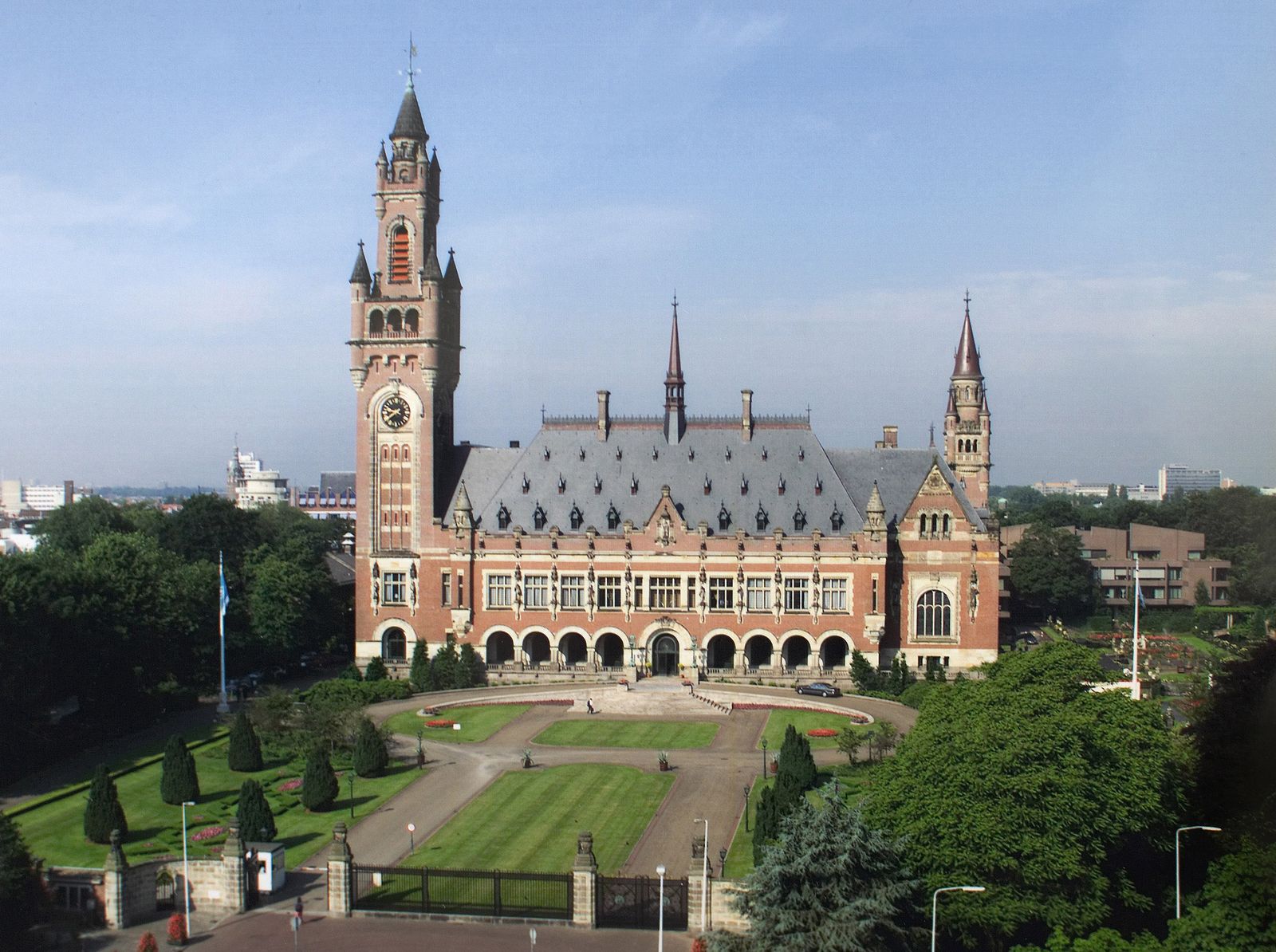
The International Court of Justice found on Thursday, Nov. 19, 2026, that Myanmar committed genocide against the Rohingya in northern Rakhine state, ruling in The Gambia’s case at The Hague in a judgment that cannot be appealed.
It is the first time a state has been found responsible for genocide at the UN’s top court, Al Jazeera and Geo News reported. A majority of nine judges on the 15-member court backed the finding, and Al Jazeera reported the vote was 9-6.
Court President Yuji Iwasawa read the decision over about three hours, Al Jazeera reported. The court said Myanmar “has committed genocide against the Rohingya group in northern Rakhine state, in violation of its obligations under the Genocide Convention,” according to Al Jazeera’s account of the readout.
LiveLaw, which reviewed the judgment, quoted the court as saying “the only reasonable inference that can explain Myanmar’s actions is an intention to destroy a substantial part of the protected group, namely the Rohingya population in northern Rakhine State.” The judges rejected Myanmar’s argument that its 2016 and 2017 operations were counterterrorism measures, Geo News reported.
The court found Myanmar responsible for killing members of the group, causing serious bodily or mental harm and imposing measures to prevent births, LiveLaw reported. It said the evidence did not conclusively establish a fourth category of genocidal acts under Article II(c) of the convention.
The court also found Myanmar violated its duties to prevent genocide, to punish it and to enact domestic legislation, LiveLaw reported. It said no individual had been identified, charged, prosecuted or punished. It did not find Myanmar responsible for inciting private persons to commit genocide.
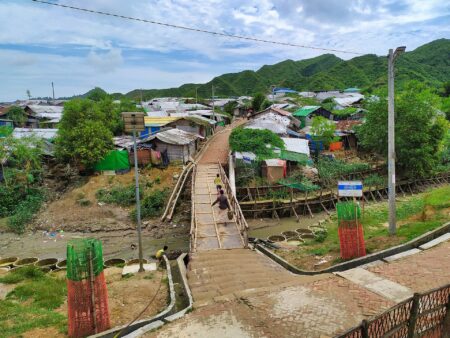
On casualties, Al Jazeera reported that Iwasawa said Myanmar forces killed 10,000 Rohingya. The court’s own wording as quoted by Al Jazeera was “thousands of Rohingya civilians,” and Geo News and LiveLaw also said thousands, so the 10,000 figure is Al Jazeera’s account of the readout and not confirmed in the court’s quoted text. Al Jazeera put the number who fled to Bangladesh at more than 730,000. Geo News said more than 700,000.
The court said Myanmar must provide reparations and restitution, Al Jazeera and Geo News reported. LiveLaw reported the orders include allowing the safe, voluntary and dignified return of Rohingya, returning or replacing property, helping search for disappeared people, rehabilitation, and guarantees of non-repetition. Myanmar must report to the court within two years on the measures taken and, where full restitution is impossible, on compensation, LiveLaw reported.
None of the reports reviewed by Canada News Media included a response from Myanmar’s military government. Myanmar has said its crackdown answered attacks on police posts by the Arakan Rohingya Salvation Army, Al Jazeera reported. Amnesty International said it hoped the ruling would mark “the beginning of a long overdue process of accountability in Myanmar.”
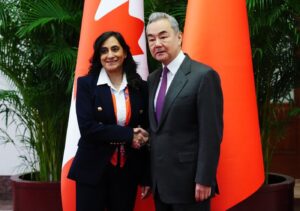
Canada has a formal role in the case. On Nov. 15, 2023, Canada, Denmark, France, Germany, the Netherlands and the United Kingdom filed a joint declaration of intervention under Article 63(2) of the court’s statute, to set out their reading of the Genocide Convention, Global Affairs Canada said in a joint statement on Nov. 16, 2023. The statement said the convention requires states to prevent genocide and hold those responsible to account. Human Rights Watch has said the court admitted 11 countries as interveners on those interpretive questions, and they did not take part in the hearings on the merits.
Canada News Media did not find a Canadian government reaction to the verdict in the sources reviewed. Global Affairs Canada has welcomed earlier steps in the case, including the court’s January 2020 interim measures.
The judgment ends the proceedings, but enforcement is unclear. Toby Cadman, a lawyer quoted by Al Jazeera, said it “will depend on what comes next,” including whether the issue goes before the UN Security Council. Thomas Kean of the International Crisis Group had warned before the ruling that a genocide finding could make Myanmar’s generals “more recalcitrant,” as Al Jazeera reported on Nov. 18.
The case was filed on Nov. 11, 2019, and is separate from any criminal prosecution of individuals. The full judgment is on the court’s case page. Canada News Media previewed the ruling in ICJ to rule Nov. 19 on Myanmar genocide case over Rohingya, and will update this story if Canada or Myanmar responds.
Via Al Jazeera, LiveLaw and Geo News.
If you find reporting like this useful, consider supporting Canada News Media, an independently owned Canadian newsroom.
Follow Canada News Media
Get the day's top Canadian stories and our two daily 60-second news videos wherever you scroll.
X Threads Facebook Instagram LinkedIn TikTok YouTube Pinterest Reddit Substack Flipboard Newsletter RSS