


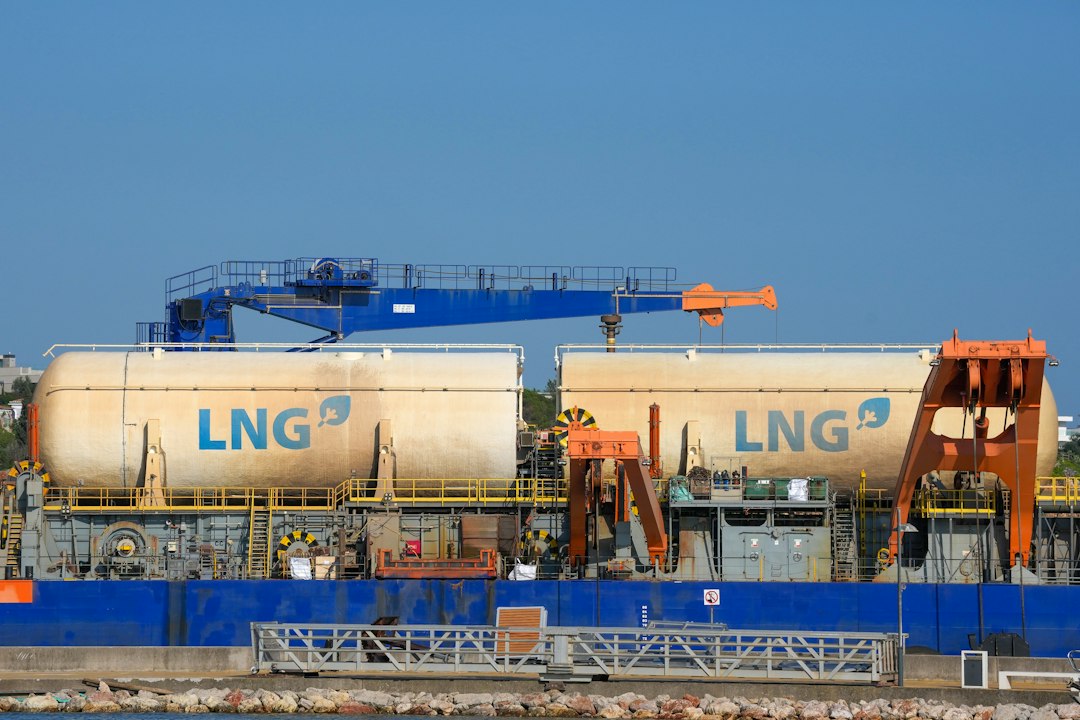
The partners behind LNG Canada have approved a second phase at their Kitimat, B.C., export terminal, a project Prime Minister Mark Carney pegged Tuesday at $33 billion that would double the plant’s output to 28 million tonnes of liquefied natural gas a year.
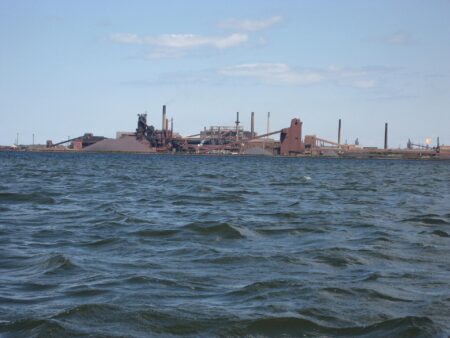
The joint venture, made up of Shell, Petronas, PetroChina, Mitsubishi Corporation and Korea Gas Corp. (KOGAS), announced its final investment decision in a statement dated Sept. 28. The company said Phase 2 will add two processing units, known as trains, inside the existing facility, lifting capacity from 14 million tonnes a year and putting LNG Canada among the largest LNG plants in the world.
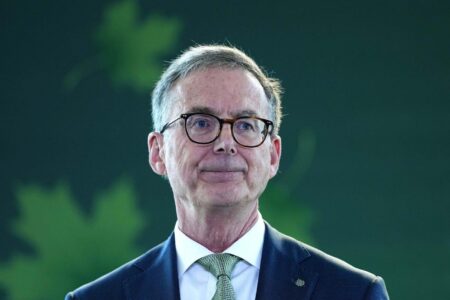
“Today’s $33 billion investment in LNG Canada 2 will make LNG Canada the second-largest facility of its kind in the world,” Carney said at an announcement in Vancouver, according to Global News. He said the project would connect “low-cost, low-carbon Canadian energy to global markets” and provide secure supply for partners in Asia and Europe.
The Narwhal reported Carney also held up the decision as proof the federal Major Projects Office can speed approvals, saying “Canada is building big again.” Energy and Natural Resources Minister Tim Hodgson said in the company statement that the decision “proves Canada can build big projects.”
LNG Canada said the expansion would create about 4,000 jobs in Kitimat at peak construction, with roughly 2,100 more tied to building five new compressor stations on the 670-kilometre Coastal GasLink pipeline, which must be expanded to carry the extra gas. Once running, Phase 2 would add about 90 full-time staff and 150 contractor positions. Commercial operations are expected in the early 2030s, according to the partners.
Estimates of the public payoff differ. LNG Canada put total taxes, royalties and other government revenues at more than $50 billion over the life of the project, while Global News reported a figure of $28 billion for governments. The two numbers may measure different things, and neither source spelled out its method.
The company said five neighbouring First Nations, the Gitga’at, Gitxaala, Haisla, Kitselas and Kitsumkalum, have secured an equity option through MNT Investments LP, with up to $1 billion to be invested in an LNG storage tank. The Narwhal described it as one of the largest Indigenous ownership stakes in major Canadian infrastructure.
The approval comes as global gas prices have been pushed higher by conflict in the Middle East and disruptions in the Strait of Hormuz, Global News reported, strengthening the case the partners and Ottawa have made for Pacific coast exports to Asia.
Critics were quick to respond. Environmental group Stand.earth said lifecycle emissions from Phase 2, counting drilling, transport and the burning of the gas overseas, would add about 44 million tonnes of carbon dioxide equivalent a year, and warned of a looming global gas glut. The Narwhal reported the first phase has exceeded its permitted emissions since starting operations in 2025 and flared about 350 million cubic metres of gas that year because of a design issue the company plans to fix in 2028. The B.C. Energy Regulator has said those emissions have not had a measurable effect on local air quality, the outlet reported. Some Kitimat residents have asked for health studies given the combined emissions from the terminal and the town’s aluminum smelter.
Provincial politicians split along familiar lines. B.C. NDP Leader David Eby said “workers have to be treated right” and Indigenous partners “need to be at the table,” Global News reported, while B.C. Green Party Leader Emily Lowan argued the profits flow to shareholders and governments abroad “while the costs stay here.”
Neither the company nor Ottawa released a detailed construction schedule for the compressor stations on Tuesday, and it remains unclear how the plant’s flaring problems will be addressed before the new trains come online.
If you find reporting like this useful, consider supporting Canada News Media, an independent Canadian newsroom with no corporate parent.
Sources: LNG Canada; via Global News; via The Narwhal; Stand.earth.
Follow Canada News Media
Get the day's top Canadian stories and our two daily 60-second news videos wherever you scroll.
X Threads Facebook Instagram LinkedIn TikTok YouTube Pinterest Reddit Substack Flipboard Newsletter RSS