


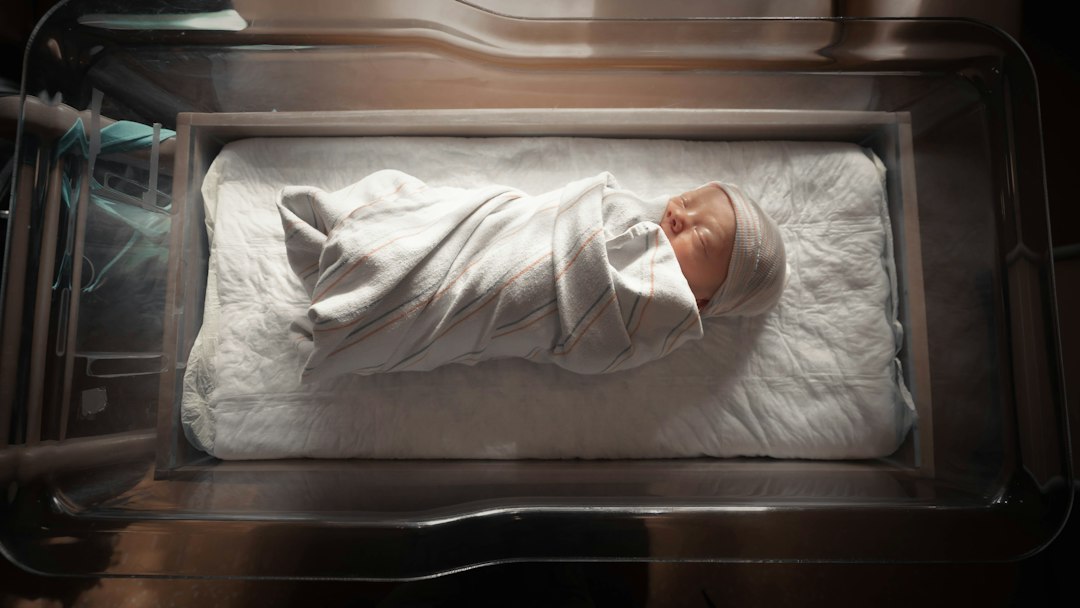
Within a day or two of birth, most Canadian babies have a few drops of blood taken from their heel. The sample goes to a provincial or regional lab, which tests for rare conditions that are treatable when caught early. Parents often hear about it in passing, in the busy hours before leaving hospital, so here is how it works and how it differs across the country.
Canada has no single national newborn screening program. Each province runs its own, or shares one with neighbours, so the number of conditions tested, the timing of the sample and the way parents consent or decline can differ depending on where a baby is born. A positive screen is not a diagnosis. It means a baby has a higher chance of a condition and needs more testing.
What the heel-prick test is for
The blood is dried on a card and tested for groups of conditions that include metabolic disorders, endocrine disorders such as congenital hypothyroidism, cystic fibrosis and, in a growing number of provinces, sickle cell disease, severe combined immunodeficiency and spinal muscular atrophy. Most babies screen negative and families never hear anything further. If a result is positive, the program contacts the baby’s doctor or midwife, or the family directly, to arrange follow-up.
Province by province
- British Columbia: Perinatal Services BC says the program screens for more than 25 treatable disorders. The card is collected between 24 and 48 hours of age, in hospital or at home with a registered midwife. Screening is free and highly recommended but not mandatory. Parents who decline a pre-discharge sample after talking with their care provider sign a deferral form. Leftover cards are stored for 10 years unless parents ask for them to be destroyed or returned. Positive results are phoned immediately to the doctor or midwife.
- Alberta: The Alberta Newborn Screening Program describes screening for over 20 conditions, free of charge and province-wide, using a few drops of blood.
- Saskatchewan: The province announced on Feb. 23, 2022, that it was adding four conditions to its program: spinal muscular atrophy, hemoglobinopathies including sickle cell disease, congenital cytomegalovirus and severe combined immunodeficiency. The Saskatchewan Health Authority administers the program. Ask your care team for the current full list.
- Manitoba: A Shared Health document for health providers says screening covers over 40 metabolic and endocrine disorders. The sample can be collected between 24 hours and five days after birth, ideally at 48 to 72 hours. It is part of routine care, and if a parent refuses, that choice is recorded in the baby’s chart and on the screening card.
- Ontario: Newborn Screening Ontario tests for metabolic, endocrine, sickle cell, cystic fibrosis, immune deficiency and spinal muscular atrophy conditions. There are also separate screens for critical congenital heart disease, biliary atresia and risk factors for permanent hearing loss. Blood spot results are usually available within a few days. If a screen is positive, a nurse from the CHEO Newborn Screening Centre phones the family to arrange follow-up.
- Quebec: The health ministry’s 2025 practice guide for nurses and midwives says participation is voluntary and parents cannot choose individual diseases. Explicit verbal consent is required, but parents do not sign a form to accept. The conditions listed include phenylketonuria, congenital hypothyroidism, cystic fibrosis, sickle cell disease, spinal muscular atrophy and severe combined immunodeficiency. The sample is ideally taken between 24 and 48 hours of life.
- Nova Scotia, New Brunswick and Prince Edward Island: The three provinces share Maritime Newborn Screening, run through the IWK Health Centre in Halifax. It screens for 28 serious but treatable conditions, with the sample taken between 24 and 48 hours of life.
- Newfoundland and Labrador: Eastern Health says the heel-prick sample is taken 24 to 72 hours after birth. Screening is recommended for every baby, but parents have the right to decline. A positive result usually means a call within one to two weeks, and a poor or early sample may mean a repeat test.
- Yukon, Northwest Territories and Nunavut: This article could not confirm each territory’s program details from an official page. Families in the territories should ask their health centre, midwife or prenatal care provider where samples are tested and what conditions are covered.
Questions worth asking before the sample is taken
Because policies differ, a few plain questions can help. Which conditions does the program test for? Who will be told the result, and how? What happens if the sample has to be repeated, for example because the baby was born early or the card was collected too soon? And what happens to the leftover blood spot afterward? In British Columbia, for instance, parents can choose to have it destroyed or returned, and in Manitoba parents can ask that a baby’s spot be left out of research.
Provincial programs also update their lists as new tests become available. If you are expecting a baby, check your province’s page directly rather than relying on older articles, including this one.
This article is based on official guidance from provincial and regional newborn screening programs and health ministries and is provided for general public information. It’s not a substitute for medical advice, if you have questions about how this applies to you, talk to your doctor or pharmacist.
If you find reporting like this useful, consider supporting Canada News Media, an independent Canadian newsroom with no corporate parent.
Sources: Perinatal Services BC; Alberta Newborn Screening Program; Government of Saskatchewan; Shared Health Manitoba; CHEO Newborn Screening Ontario; Ministère de la Santé et des Services sociaux du Québec; Maritime Newborn Screening, IWK Health; Eastern Health, Newfoundland and Labrador.
Follow Canada News Media
Get the day's top Canadian stories and our two daily 60-second news videos wherever you scroll.
X Threads Facebook Instagram LinkedIn TikTok YouTube Pinterest Reddit Substack Flipboard Newsletter RSS