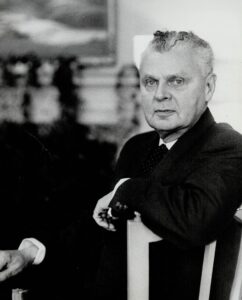



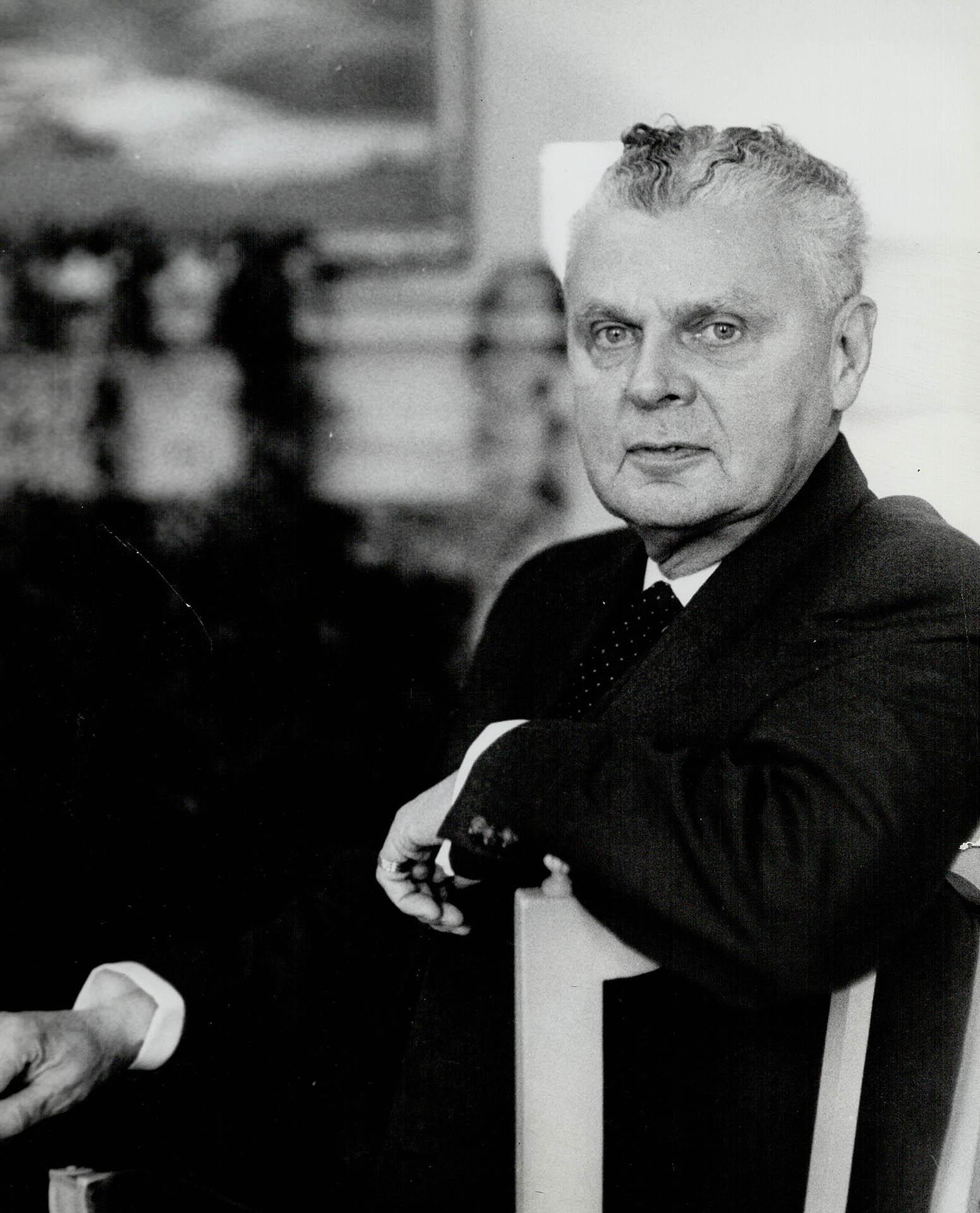
On Oct. 22, 1962, U.S. President John F. Kennedy went on television to announce that the Soviet Union was placing offensive missiles in Cuba, and Prime Minister John Diefenbaker’s government in Ottawa had only a few hours to prepare for what followed.
Kennedy’s address to the American public began at 7 p.m. Eastern time, according to a Frontenac News account of the crisis. The Canadian Encyclopedia said that, like other NATO leaders, Diefenbaker was told of the American plan shortly before the broadcast. In the House of Commons on Oct. 25, Diefenbaker said the U.S. government had informed Canada “some few hours before” Kennedy spoke, according to an extract of Hansard posted by the Diefenbaker Canada Centre.
The sources differ on who delivered the news. The Canadian Encyclopedia says Kennedy informed the prime minister, while Frontenac News says a U.S. delegation briefed him. The Hansard extract refers only to the American government.
The crisis had begun on Oct. 14, 1962, when an American spy plane photographed missile sites on the island, the encyclopedia said. It described the standoff as 13 tense days, ending with the Soviet decision to back down on Oct. 28.
Diefenbaker’s statement after the broadcast said the bases were “not defensive but offensive,” according to a transcript held by the Diefenbaker Canada Centre. He proposed that the eight unaligned nations on the 18-nation disarmament committee be allowed to carry out an on-site inspection in Cuba. He also asked Canadians “not to panic at this time.”
The harder question was military. The Canadian Encyclopedia said the main issue for the government was whether to comply with an American request to move Canadian forces to a higher alert, equivalent to the U.S. defence condition known as DEFCON 3. Defence Minister Douglas Harkness asked units to raise their alert level to what the military called the Ready State, but formal permission was delayed while cabinet debated the matter for two days, the encyclopedia said. About half of Canada’s ministers remained undecided, it said.
The government authorized the Ready State on Oct. 24, according to the encyclopedia. The delay was widely criticized in Canada, it said. The Diefenbaker Canada Centre’s exhibit says the prime minister acted only after the crisis had passed its climax, and also notes that the Canadian military had taken informal steps to put itself on alert in the meantime.
Diefenbaker defended the government’s record in the Commons. He said the Canadian component of the North American Aerospace Defence Command had been placed at the same readiness level as U.S. forces under NORAD operational control. He also said the government had deferred movement of dependants of armed service personnel overseas and held up long leave for service members. On Oct. 28, he said Canada “has played its full part” and was the first nation to stop overflights of Soviet aircraft carrying war material to Cuba.
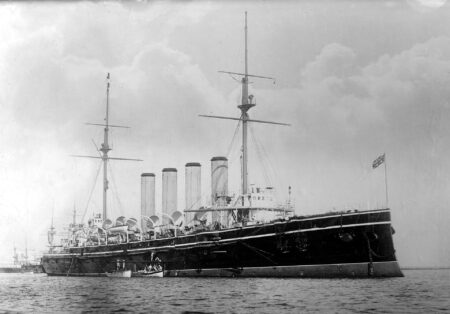
The crisis was felt at sea as well. Bob Stinson, who served aboard the destroyer HMCS Haida, told Frontenac News that the crew was issued life jackets and gas masks, that everyone on leave was called back and that the ship was ready to go. He said the crew was waiting for a call that never came. The article said no Canadian ship took part in the American quarantine of Cuba.
Historians still weigh how much Diefenbaker’s hesitation owed to a wish for an independent Canadian foreign policy and how much to his strained relations with Kennedy. The Canadian Encyclopedia ties the delay to the first, while the Diefenbaker Canada Centre says personal animosity may have played a part. The episode fed into the Liberal victory under Lester Pearson in the Feb. 5, 1963, election, the encyclopedia said.
The October crisis that Canadians remember more often came eight years later; see our account of when troops were sent to Ottawa in 1970.
If you find reporting like this useful, consider supporting Canada News Media, an independent Canadian newsroom with no corporate parent.
Sources: The Canadian Encyclopedia (Cuban Missile Crisis, Denis Stairs); the Diefenbaker Canada Centre, University of Saskatchewan; Frontenac News (Nov. 8, 2017).
Follow Canada News Media
Get the day's top Canadian stories and our two daily 60-second news videos wherever you scroll.
X Threads Facebook Instagram LinkedIn TikTok YouTube Pinterest Reddit Substack Flipboard Newsletter RSS