
The federal government has removed in situ oil sands extraction facilities and fossil fuel-fired power plants from the list of projects that automatically trigger a federal impact assessment, but for Alberta’s in situ producers the change confirms a status quo rather than creating one.
The amendments to the Physical Activities Regulations, known as the Project List, were announced Sept. 9, 2026 by Dominic LeBlanc, president of the King’s Privy Council, alongside Energy and Natural Resources Minister Tim Hodgson and Environment Minister Julie Dabrusin. They were registered the same day as SOR/2026-185 in the Canada Gazette. Canada’s National Observer reported the move as Ottawa quietly exempting oilsands and gas plants from environmental review.
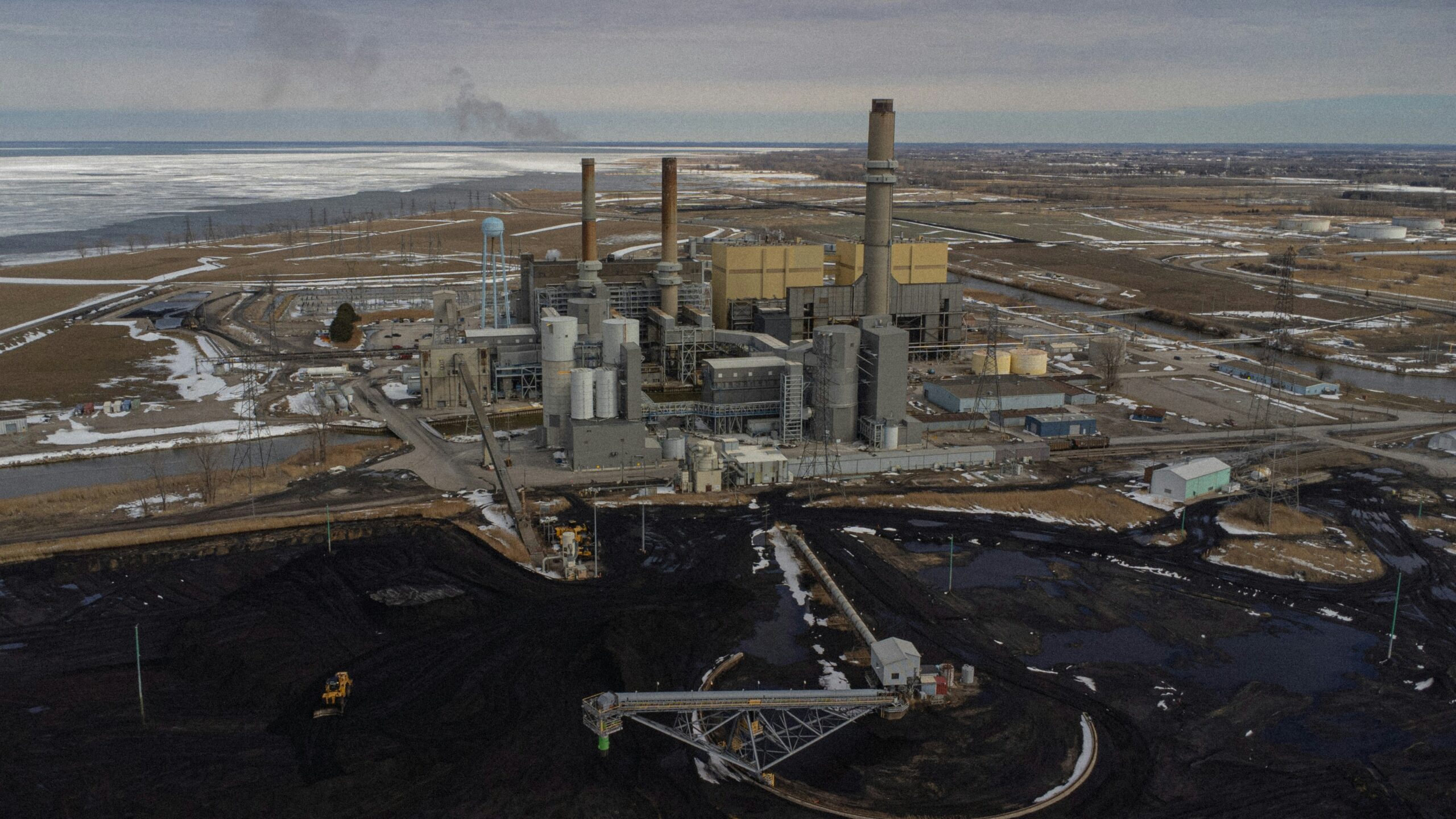
What most of the coverage has not spelled out is the wording of the entry that was deleted. The old Project List captured in situ oil sands facilities producing 2,000 cubic metres of bitumen a day or more only, in the text of the regulation, “in a province without provincial legislation to limit greenhouse gas emissions from oil sands.” Alberta has such legislation. The Oil Sands Emissions Limit Act, passed under Rachel Notley’s NDP government in 2016, sets a 100-megatonne annual ceiling on emissions from all oil sands sites combined.
Because that law exists, the federal trigger never switched on in the province that holds effectively all of Canada’s in situ oil sands capacity. In a Sept. 11 analysis, lawyers Ashley M. White, Martin Ignasiak and Nathan Murray of Bennett Jones wrote that in situ projects “have avoided the IAA process to date given Alberta’s legislated cap on oil sands emissions.”
The cap itself has never been made operational. Successive Alberta governments did not write the regulations that would make the 100-megatonne limit enforceable, a gap documented by the Parkland Institute and in CBC reporting. The United Conservative government signalled at one point that it wanted the act gone, but never repealed it.
That leaves the practical effect of the Sept. 9 amendment clearer than either the government’s release or the critical coverage suggests. It did not end federal assessment of Alberta in situ projects, because that assessment was not happening. What it ended is the conditional link between the two. Under the old rule, if Alberta had ever repealed its unenforced cap, in situ projects above the threshold would have snapped back under federal review automatically. That backstop is now gone, and restoring it would require a fresh regulatory amendment rather than nothing at all.
The larger immediate change for most Canadians is the other deletion: fossil fuel-fired power generating facilities. Bennett Jones flagged that this strips automatic federal oversight from gas plants tied to data centre development, at a moment when Alberta’s “bring your own generation” policy and deals such as Bell’s non-binding agreement to add up to 900 megawatts of AI computing capacity in Saskatchewan are driving new electricity demand. Those plants remain subject to the Clean Electricity Regulations and to federal carbon pricing, but they no longer face an impact assessment by default.
For First Nations and Metis communities downstream of oil sands operations, the venue matters more than the label. The federal impact assessment process carries statutory participant funding and a public record that can be tested in court. Reviews led by the Canada Energy Regulator, and by Alberta’s own regulator, operate under different rules and different funding streams. Ottawa says the Crown’s duty to consult and accommodate continues to apply, guided by the United Nations Declaration on the Rights of Indigenous Peoples Act. The question the announcement leaves open is whether communities will have the same capacity to participate in whatever process replaces the one being removed.
The framework is still unsettled. Alberta’s constitutional challenge to the 2024 version of the Impact Assessment Act was argued before the Alberta Court of Appeal in February 2026, and no decision has been released. Ottawa says it will introduce further major projects legislation this fall, drawing on What We Heard reports published alongside the Sept. 9 announcement. Whatever that bill contains, the in situ entry is already off the list.
via Government of Canada and Canada’s National Observer. Regulatory text: Canada Gazette, SOR/2026-185. Legal analysis: Bennett Jones.