




Quebec’s party leaders made their final pitches on Friday ahead of Monday’s provincial election, with the sovereigntist Parti Québécois leading every major poll and the governing Coalition Avenir Québec fighting to avoid a historic collapse.
About 6.4 million Quebecers are eligible to vote on Monday, Oct. 5, according to Elections Québec. Polls are open from 9:30 a.m. to 8 p.m. It takes 64 of the National Assembly’s 127 seats to form a majority government.
The last round of polls published before the weekend points in one direction. Léger, in a survey released Sept. 27, put the PQ at 30 per cent, the Quebec Liberals at 26, Éric Duhaime’s Conservatives at 18, the CAQ at 16 and Québec solidaire at nine. Synopsis had the PQ at 30 and the Liberals at 22, and Pallas Data had the PQ at 29 and the Liberals at 23. Poll aggregator Qc125 gives the PQ a near-certain chance of finishing first but only about a one-in-three chance of winning a majority.
That gap is the story of the campaign’s last weekend. CTV News reported this week the PQ was making a direct appeal to anglophone voters, a group that has historically shunned the party, while the Liberals under Charles Milliard concentrated on undecided voters. Léger has found fewer than half of decided voters say their choice is final.
The CAQ’s fall is striking. The party won a large majority in 2022 under François Legault. Christine Fréchette, who became leader and premier in April, has slipped to third or fourth place in the final polls. Global News reported that one seat projection, by Route127.ca, suggested the CAQ could be shut out entirely. Fréchette has said her party can still recover.
For readers outside Quebec, the question that matters most is sovereignty. PQ Leader Paul St-Pierre Plamondon has promised to hold a referendum on independence if he wins a majority, which Global News reported would come in 2029, after U.S. President Donald Trump’s term ends. Canada News Media looked at that timing bet last week. A PQ minority would make a referendum far harder to call, which is why the majority line, not first place, is what federal politicians will be watching Monday night.
Trade is the other national thread. U.S. tariffs became an issue in the campaign, and Quebec industries such as aluminum, forestry and manufacturing are exposed to the trade war with Washington. Whoever wins will be negotiating with Ottawa over support for those sectors while Prime Minister Mark Carney’s government holds its counter-tariffs in place.
The mood for change is the backdrop to all of it. Léger found 60 per cent of Quebecers want a new party in power, against 18 per cent who want the CAQ to stay. Housing affordability, the cost of living and health care have been among the central issues of the race, the same pressures driving frustration among younger voters across the country.
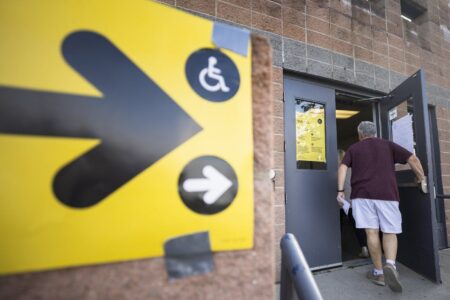
Advance voting is over, so anyone who has not yet cast a ballot can vote only on Monday, at the polling station listed on the voter information card mailed by Elections Québec. Voters must show identification, such as a health insurance card, driver’s licence or passport.
Results will start coming in after polls close at 8 p.m. ET. Canada News Media will have coverage of the outcome and what it means for the rest of the country.
If you find reporting like this useful, consider supporting Canada News Media, an independent Canadian newsroom with no corporate parent.
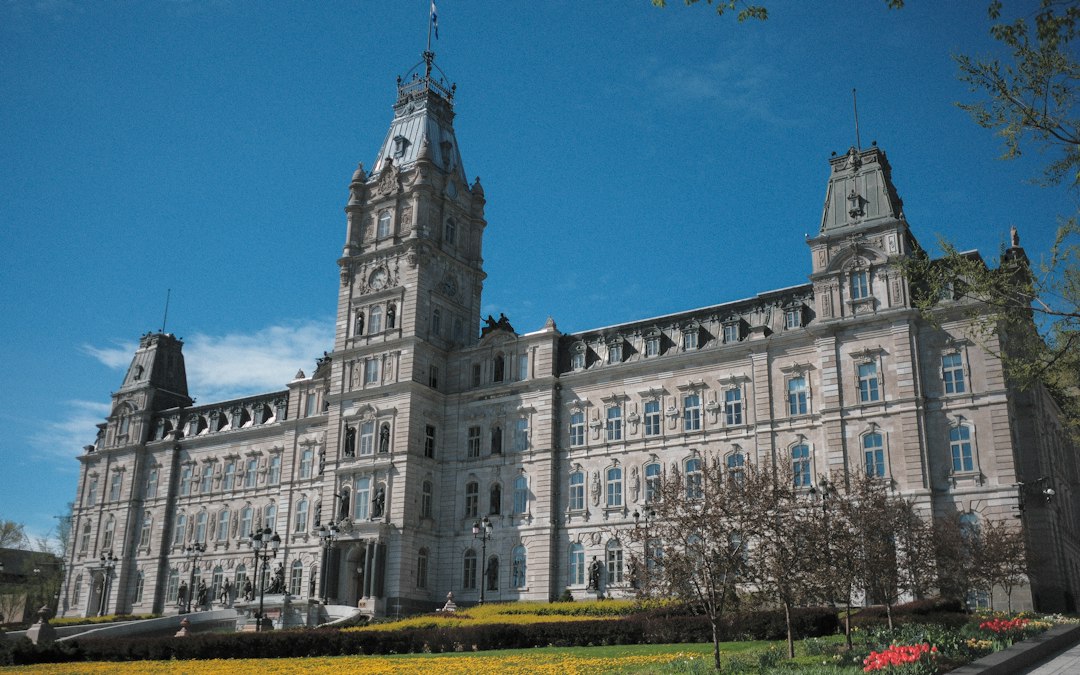
Sources: via CTV News Montreal; Global News; Léger; Qc125; Government of Quebec. Featured image: file photo of Quebec’s Parliament Building.
Follow Canada News Media
Get the day's top Canadian stories and our two daily 60-second news videos wherever you scroll.
X Threads Facebook Instagram LinkedIn TikTok YouTube Pinterest Reddit Substack Flipboard Newsletter RSS