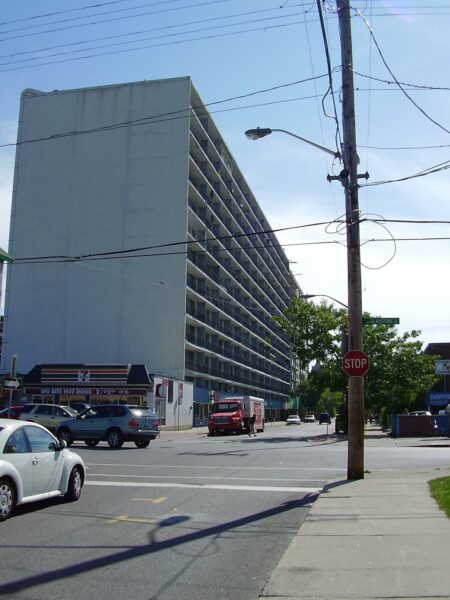



Apartment turnover rose by a statistically significant margin in nine of 18 Canadian metropolitan areas between October 2024 and October 2025, fell in four and showed no clear change in five, according to tables in the Canada Mortgage and Housing Corporation’s 2025 Rental Market Report. Toronto’s rate climbed from 6.4 per cent to 8.7 per cent, the lowest of the 18 even after the increase, while Edmonton reached 28.8 per cent and Regina 27.6 per cent.
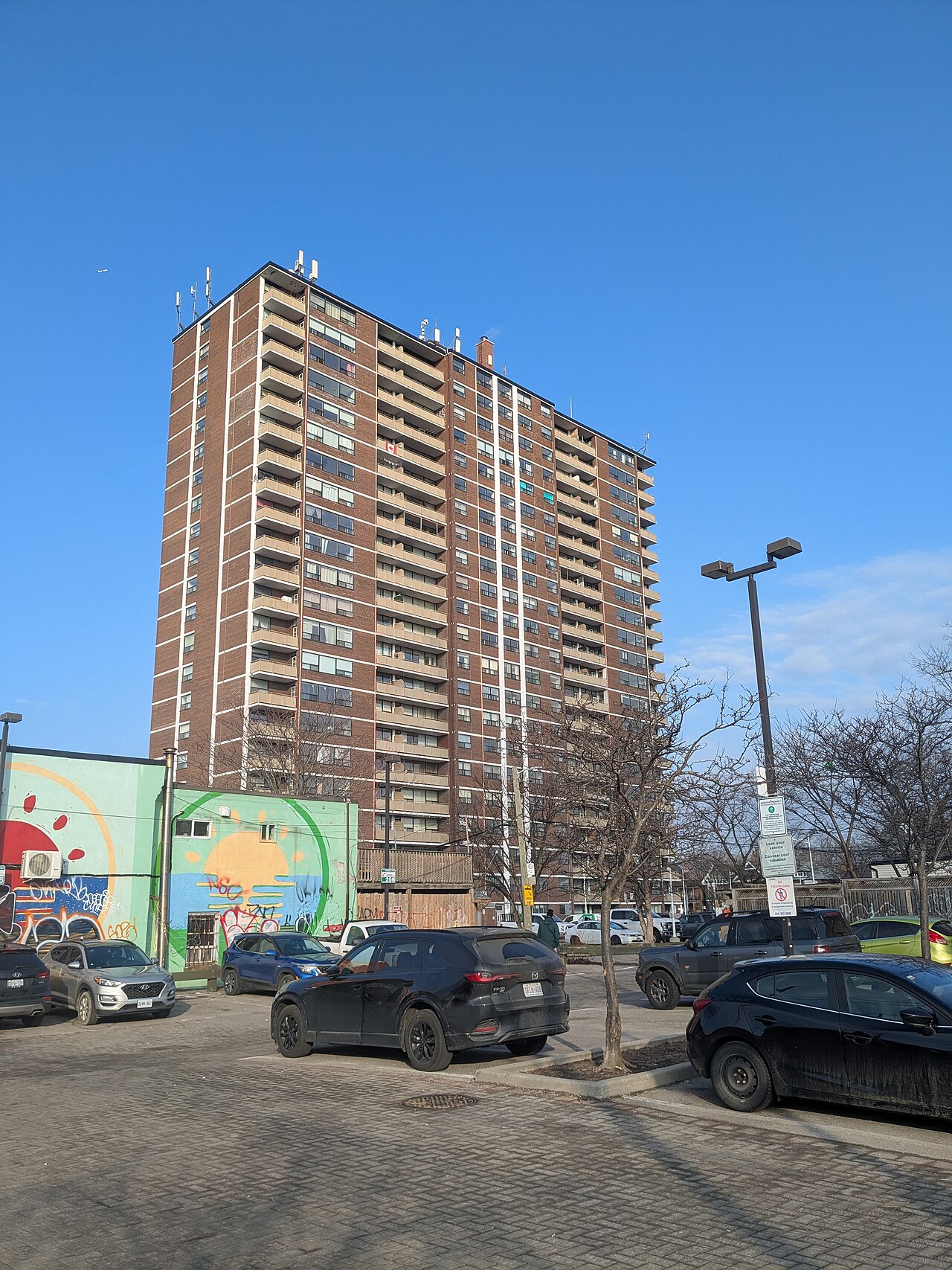
We read Table 1.1.6, private apartment turnover rates by zone and bedroom type, for the census metropolitan area total in each of the 18 workbooks CMHC published for 2025. Edmonton rose from 26.5 to 28.8 per cent, Hamilton from 9.5 to 13.1, Kitchener-Cambridge-Waterloo from 12.0 to 16.1, London from 13.4 to 15.1, Ottawa from 14.5 to 15.4, Vancouver from 9.1 to 11.6, Victoria from 14.6 to 18.8 and Winnipeg from 18.5 to 22.2 per cent. Each of those nine increases carries CMHC’s marker for a statistically significant year-over-year rise.
The four significant declines were in Halifax (10.0 to 9.0 per cent), Montréal (11.1 to 9.4), Regina (31.6 to 27.6) and Saskatoon (28.6 to 19.3). CMHC did not flag a significant change in Calgary (23.6 to 24.9), Gatineau (17.3 to 16.2), Québec (13.9 to 13.0), St. Catharines-Niagara (12.4 to 12.8) or Windsor (11.8 to 12.2). Across all 18 metros the median rate was 15.3 per cent in 2025, up from 13.7 per cent in 2024.
The gap between regions is larger than any one-year change. The three highest 2025 rates were all on the Prairies, Edmonton at 28.8 per cent, Regina at 27.6 and Calgary at 24.9, against 8.7 in Toronto, 9.0 in Halifax and 9.4 in Montréal. In other words, the share of apartments that changed hands in Edmonton was more than three times Toronto’s. The tables do not say why, and we did not test explanations such as rent levels, rent regulation or the age of the stock.
Turnover matters for renters because of what CMHC’s other tables show about price. In our November 18 analysis, vacant apartments averaged more than occupied ones in 16 of 18 metros, by 27.1 per cent in Montréal, 24.2 per cent in Ottawa, 20.2 per cent in Vancouver and 17.1 per cent in Toronto. Montréal is the starkest pairing in this year’s turnover data: a large premium for a new lease, and a turnover rate that fell to 9.4 per cent. Toronto and Vancouver pair a large premium with rising turnover. Two metros are not enough to show that a premium affects whether people move, and the tables do not test it. Our September report looked at turnover by rent quartile.
The figures describe private apartments in CMHC’s October Rental Market Survey, as the table title says, and do not describe social or subsidized housing. Each rate is a single survey estimate with its own margin, which is why CMHC marks only some changes as significant. Gatineau’s figures carry CMHC’s quality rating of poor, to be used with caution. A higher rate means more units changed tenants, which can reflect people choosing to move or being forced out; the tables cannot tell the two apart. No landlord, city or agency is accused of anything in this analysis.
How we checked: We downloaded the 18 CMHC 2025 Rental Market Report data workbooks for the major centres from CMHC’s rental market reports page, extracted the Table 1.1.6 CMA total row (all bedroom types, October 2024 and October 2025) with its quality and change indicators, counted the significant increases and decreases as CMHC marked them, and computed the median of the 18 metro rates. Vacant-versus-occupied rent premiums are from Table 1.1.9 in the same workbooks, as reported in our November 18 story.
Follow Canada News Media
Get the day's top Canadian stories and our two daily 60-second news videos wherever you scroll.
X Threads Facebook Instagram LinkedIn TikTok YouTube Pinterest Reddit Substack Flipboard Newsletter RSS