


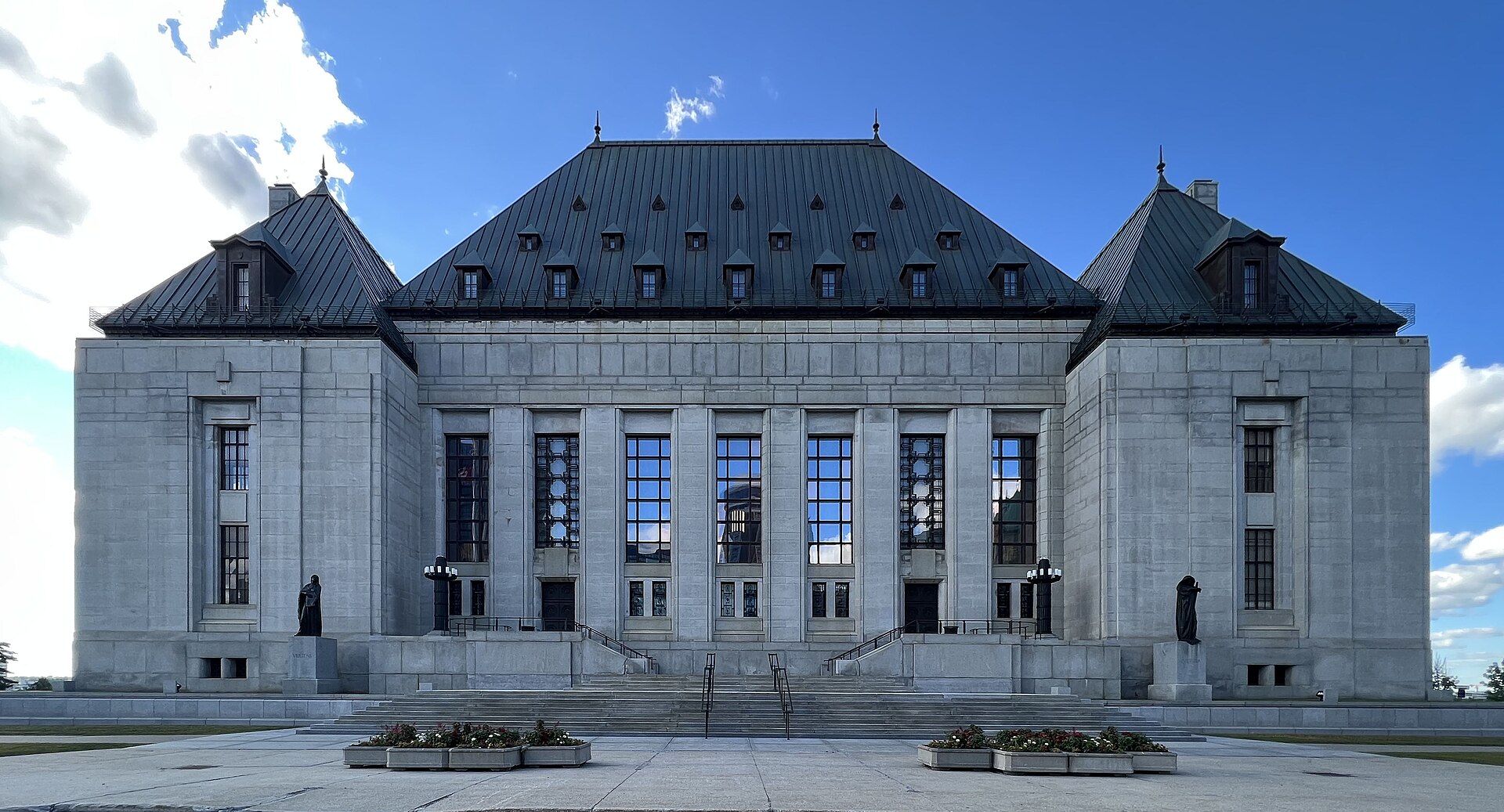
The Supreme Court of Canada has ruled that the labour relations of 14 grain inspectors and graders in Montreal fall under federal jurisdiction, so a union could not seek certification for them under Quebec’s Labour Code.
In a 5-4 decision released Nov. 6, 2026, the court dismissed an appeal by the Attorney General of Quebec in Quebec (Attorney General) v. SGS Canada inc., 2026 SCC 37. The appeal was heard Dec. 2, 2025.
Justice Andromache Karakatsanis wrote the majority reasons, joined by justices Malcolm Rowe, Sheilah Martin, Mahmud Jamal and Mary Moreau. Justice Nicholas Kasirer wrote the dissent, joined by Chief Justice Richard Wagner and justices Suzanne Côté and Michelle O’Bonsawin.
According to the court’s summary, SGS Canada inc. is a testing, inspection and certification company. Its Agriculture and Agri-Food Division performs 80 per cent of the testing for the entire Canadian grain market. The division’s Montreal branch employs 14 grain inspectors and graders and works almost exclusively for six grain elevators along the St. Lawrence River. Those elevators are all declared works for the general advantage of Canada under the Canada Grain Act, which places them under federal jurisdiction. The Montreal elevator, operated by Viterra, is the branch’s largest client.
A union, the Syndicat des travailleuses et travailleurs des industries manufacturières – CSN, applied to Quebec’s Administrative Labour Tribunal to represent the inspectors and graders. The tribunal dismissed the application, finding the branch’s labour relations were federal. The Superior Court and the Quebec Court of Appeal both agreed.
The majority said labour relations are presumptively provincial, and that federal jurisdiction is exceptional and should be approached restrictively. But it found the branch is a functionally distinct unit within SGS because it is largely managed independently and its operations and clients differ from the division’s other branches. Because SGS does not operate the elevators itself, the majority said direct federal jurisdiction does not apply. Instead, it found “derivative” jurisdiction: the inspectors’ work is integral to the six elevators, and the work is significant to the branch itself, with 90 per cent of its services dedicated to those federal works.
The four dissenting judges would have allowed the appeal, quashed the tribunal’s decision and declared that the Quebec Labour Code applies to the certification petition. They wrote that the federal declaratory power covers only physical “works” and that reading it to reach the activities associated with a work would erode provincial jurisdiction over labour relations.
The ruling also sets out the test lower courts and tribunals must follow when an employer’s unit provides services to federal works. A court must identify the entity, decide whether a unit within a larger company is functionally distinct, and then ask whether the services are vital, essential or integral to a federal work and form the exclusive or principal part of the unit’s activities. The majority described the significance threshold as high, so that a company also serving provincial businesses is not improperly treated as federal.
For workers, the practical effect in this case is that the 14 Montreal inspectors’ labour relations are governed by federal rather than provincial law. The decision does not say whether any other union application will follow.
The Supreme Court has handed down other significant rulings in recent weeks, including a 5-4 decision ordering a new trial in a fatal Vancouver crash case and a ruling upholding a reduced sentence in the Cope assault case.
The full reasons are posted on the Supreme Court of Canada’s website.
If you find reporting like this useful, consider supporting Canada News Media, an independent Canadian newsroom with no corporate parent.
Follow Canada News Media
Get the day's top Canadian stories and our two daily 60-second news videos wherever you scroll.
X Threads Facebook Instagram LinkedIn TikTok YouTube Pinterest Reddit Substack Flipboard Newsletter RSS