


The Supreme Court of Canada has set aside the acquittals of a Vancouver driver charged after a 2021 crash that killed an 18-month-old girl and seriously injured her father, and ordered a new trial.
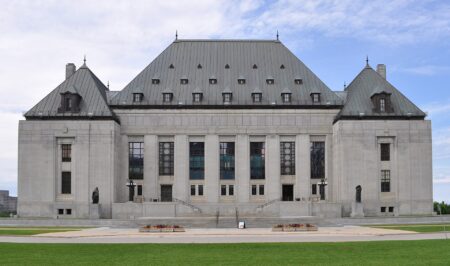
In a 5-4 decision released Oct. 30, 2026, the court ruled in R. v. Moshfeghi Zadeh, 2026 SCC 35, that the trial judge applied the wrong test when she concluded the driver did not have the required mental state for dangerous driving causing death and dangerous driving causing bodily harm.
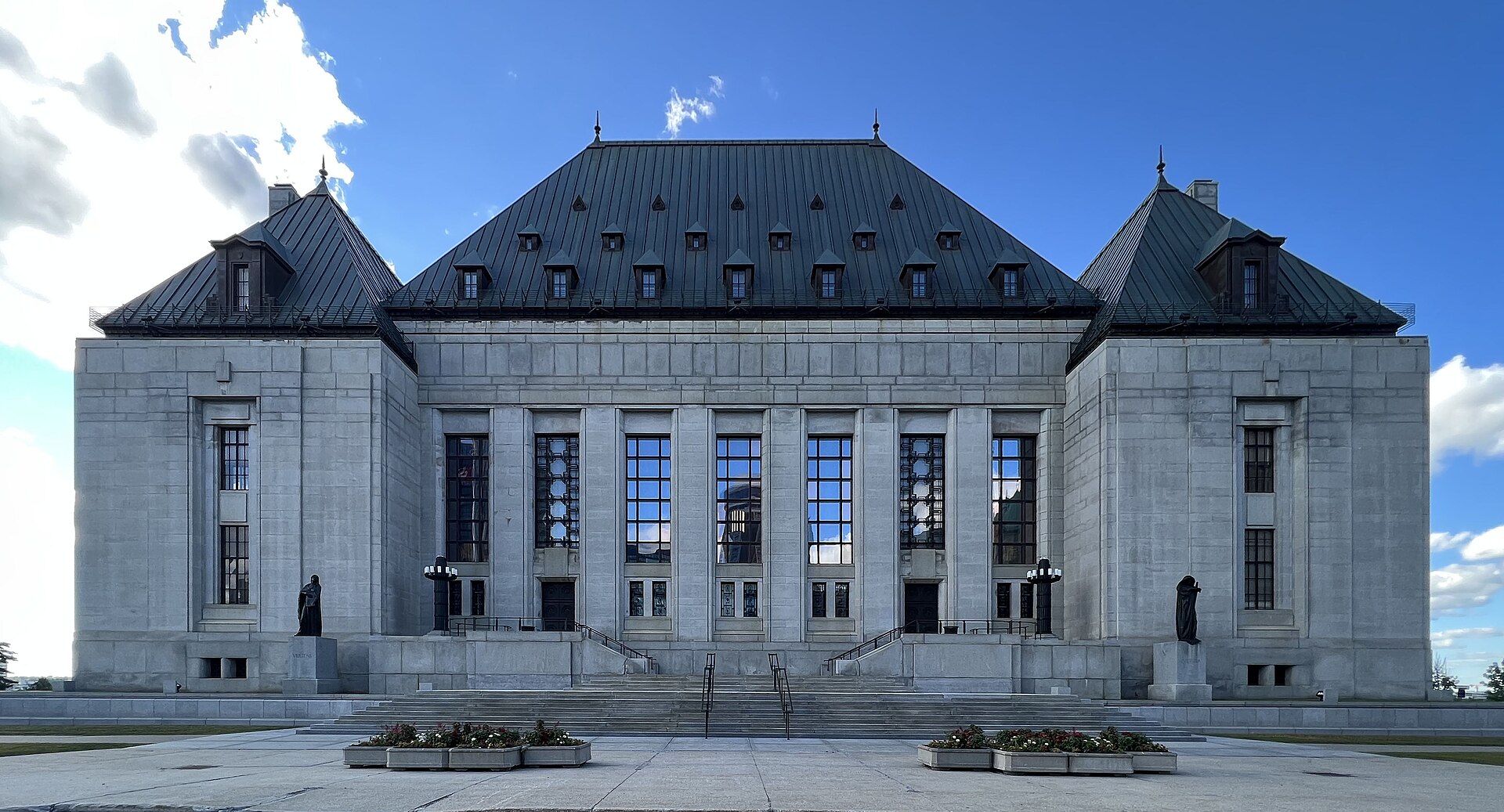
Justice Michelle O’Bonsawin wrote the majority reasons, joined by justices Malcolm Rowe, Sheilah Martin, Mahmud Jamal and Mary Moreau. Justice Suzanne Côté wrote the dissent, joined by Chief Justice Richard Wagner and justices Andromache Karakatsanis and Nicholas Kasirer.
The court’s summary says Seyed Ramin Moshfeghi Zadeh drove through a red light at a busy downtown Vancouver intersection around 6 p.m. on July 6, 2021. His vehicle collided with another vehicle, which mounted the sidewalk and struck a father and his daughter. The child died and her father was severely injured. The decision describes the facts as tragic.
Moshfeghi Zadeh conceded at trial that his driving was dangerous to the public, so the only issue was whether his conduct was a marked departure from the standard of care of a reasonable driver. The trial judge acquitted him on both counts. A majority of the B.C. Court of Appeal upheld the acquittals, although it agreed the trial judge had misstated the law. The Crown then appealed to the Supreme Court.
The trial judge had said that “a momentary lapse of judgment without more cannot establish” the offence. The Supreme Court majority said that was the wrong question. A momentary lapse of attention, without more, can amount to a marked departure from the standard of care, the majority wrote, and the issue is how a reasonable driver would have acted in the same circumstances.
That assessment must look at the whole context, the majority said, including the nature of the vehicle, its speed, the location, road conditions and what the driver should have seen beforehand. The court pointed to the busy downtown setting and to several stale red lights and pedestrians that were visible before the period of inattention the trial judge identified, which it said were relevant to the risk and the standard of care.
The Crown had asked the court to enter convictions. The majority declined, saying the trial judge did not make the comprehensive findings needed to apply the correct test and that it was not possible to say on the record that the driver should have been found guilty. It ordered a new trial instead.
The four dissenting judges would have dismissed the appeal and upheld the acquittals. They wrote that the trial judge looked at the context, that her initial misstatement of the law was not repeated, and that disagreement with how she weighed the evidence is not a reviewable error. Acquittals should not be overturned lightly, the dissent said.
The ruling does not find Moshfeghi Zadeh guilty of any offence. He remains presumed innocent, and the charges will be decided at a new trial. A date had not been published in the decision.
The decision sets out the test courts must use in future cases involving brief inattention behind the wheel. Police crash investigations have also come under scrutiny elsewhere, as in a recent Special Investigations Unit finding about a Toronto crash, and appeal courts continue to shape how lower-court rulings are reviewed, as in a recent B.C. Court of Appeal decision on a Grand Forks flood claim.
The full reasons are posted on the Supreme Court of Canada’s website.
If you find reporting like this useful, consider supporting Canada News Media, an independent Canadian newsroom with no corporate parent.
Follow Canada News Media
Get the day's top Canadian stories and our two daily 60-second news videos wherever you scroll.
X Threads Facebook Instagram LinkedIn TikTok YouTube Pinterest Reddit Substack Flipboard Newsletter RSS