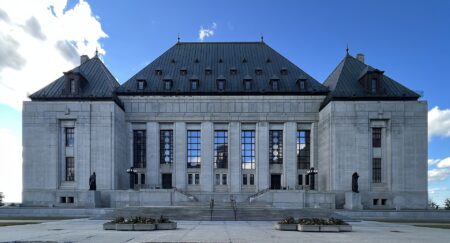



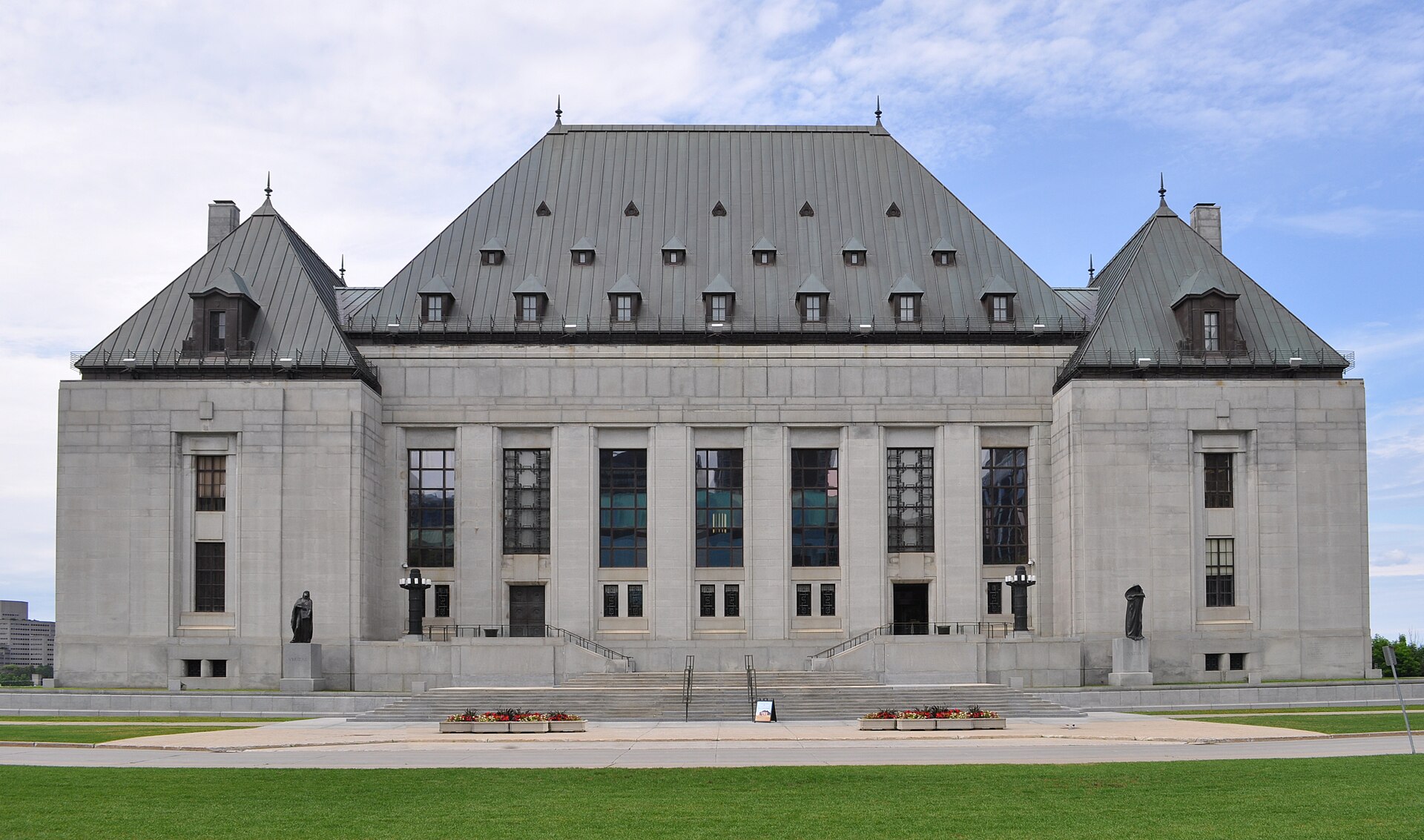
The Supreme Court of Canada has upheld a reduced sentence for a Mi’kmaw man who pleaded guilty to aggravated assault against his Mi’kmaw intimate partner, ruling 5-4 that Nova Scotia’s Court of Appeal was right to step in.
In R. v. Cope, 2026 SCC 32, released Oct. 9, 2026, the court dismissed the Crown’s appeal. Justices Andromache Karakatsanis, Sheilah Martin, Nicholas Kasirer, Michelle O’Bonsawin and Mary Moreau formed the majority. Chief Justice Richard Wagner and justices Suzanne Côté, Malcolm Rowe and Mahmud Jamal dissented.
The court’s summary says Harry Arthur Cope, who has severe mental health challenges, stopped taking his medications in 2020 and began using illicit drugs. On June 27, 2021, he attacked his partner on a sidewalk, repeatedly punching her and throwing her to the ground. She suffered severe injuries to her face and upper body.
The sentencing court ordered an Indigenous background report and a sentencing circle. The circle’s report said community members did not believe more incarceration would help Cope and recommended a holistic approach that included in-patient treatment. The sentencing judge rejected a conditional sentence and imposed five years in prison. A majority of the Nova Scotia Court of Appeal reduced that to three years, less 18 months of remand credit, finding the judge had underemphasized the link between his mental illness, drug use and Gladue factors.
The Supreme Court majority agreed that prison was required given the grave nature of the offence and the vulnerability of the victim. But it said the sentencing judge did not recognize that Cope’s mental illness contributed to the assault, or consider how that illness bore on what sentence would meet the goals of sentencing. The Court of Appeal was correct to vary the sentence so it reflected the sentencing circle process and the role of his mental disorder, the majority said.
The ruling spends much of its length on how two sets of Criminal Code provisions work together. Section 718.2(e), added in 1996, requires judges to consider the circumstances of Indigenous offenders, including systemic and background factors that may reduce moral blameworthiness. The majority said this does not automatically lower sentences, but provides a different method of analysis.
Sections 718.04 and 718.201, added in 2019, direct judges to give primary consideration to denunciation and deterrence when an offence involves abuse of a vulnerable person, including an Indigenous woman or girl, and to consider the increased vulnerability of women and girls in intimate partner violence cases. The majority said those provisions will often mean a more severe sentence, but do not require a presumptive prison term or a reflexive increase.
Sentencing circles are an important tool, the majority said, because they give judges information about an Indigenous offender and give Indigenous victims and communities a culturally accessible way to share their views. Whether to hold one remains the sentencing judge’s discretion.
Interveners included the Native Women’s Association of Canada, Aboriginal Legal Services, the Indigenous Bar Association in Canada, Millbrook First Nation and several provincial attorneys general.
The decision is final, so Cope’s three-year sentence stands. It will guide sentencing judges across the country. Courts have also been dealing with Indigenous children and families in other contexts, as in a recent appeal court decision denying a First Nations child welfare class action.
The full reasons are posted on the Supreme Court of Canada’s website.
If you find reporting like this useful, consider supporting Canada News Media, an independent Canadian newsroom with no corporate parent.
Follow Canada News Media
Get the day's top Canadian stories and our two daily 60-second news videos wherever you scroll.
X Threads Facebook Instagram LinkedIn TikTok YouTube Pinterest Reddit Substack Flipboard Newsletter RSS