

Deaths of people held in British Columbia’s provincial jails have doubled in recent years, even though the province now holds far fewer people behind bars than it did a decade ago, according to a Canada News Media analysis of BC Coroners Service and Statistics Canada records.
The coroners service counted 52 deaths in provincial correctional centres from 2022 to 2025, an average of 13 a year. In the seven years from 2015 to 2021 it counted 44, an average of about six a year. In other words, more people died in provincial custody in the last four years than in the seven years before.
The figures come from the service’s report Deaths of Incarcerated People in Correctional Facilities, 2015-2025, posted April 24, 2026. It covers deaths in federal and provincial facilities in B.C., including people taken to hospital for treatment and deaths in sheriffs’ vehicles on the way to jail. It leaves out deaths in police cells, halfway houses and the Forensic Psychiatric Hospital.
The rise is in the provincial system, which holds adults on remand awaiting trial and those serving sentences of less than two years. Deaths in the eight federal institutions in B.C. stayed about level: 73 from 2015 to 2021, or about 10 a year, and 45 from 2022 to 2025, or about 11 a year. Provincial deaths were 4 in 2015, 8 in 2016, 5 in 2017, 8 in 2018, 4 in 2019, 8 in 2020 and 7 in 2021, then 16 in 2022, 11 in 2023, 14 in 2024 and 11 in 2025.
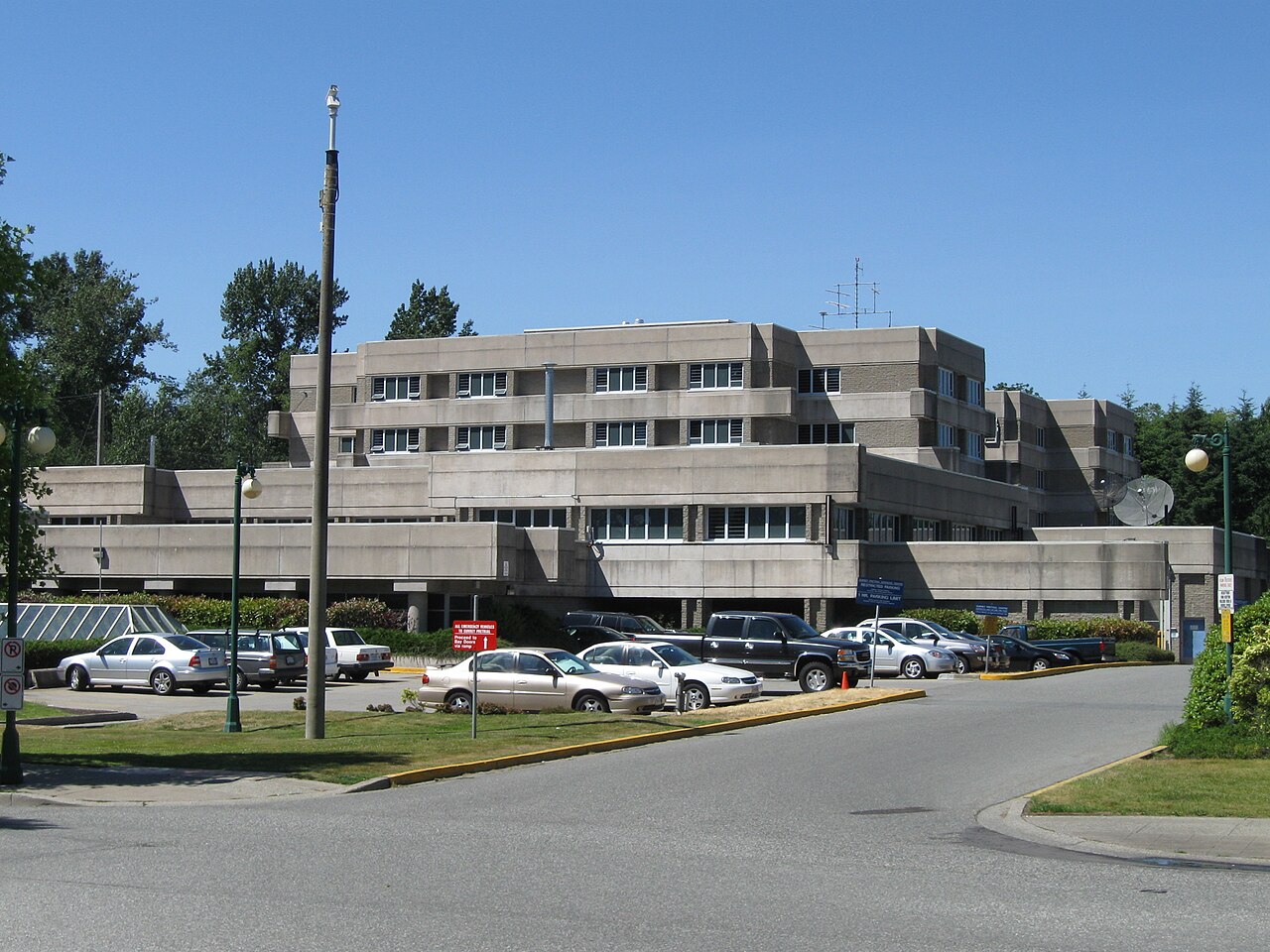
Two pretrial centres in the Lower Mainland account for most of the provincial deaths. North Fraser Pretrial Centre in Port Coquitlam recorded 15 deaths from 2022 to 2025 and Surrey Pretrial Services Centre recorded 18, together 33 of the 52, or 63 per cent. North Fraser had the most provincial deaths in 2025, five, followed by Surrey with three. Pretrial centres mainly hold people who have been charged but not convicted.
The increase came while the number of people in provincial custody fell. Statistics Canada’s adult custody counts show B.C. held an average of 2,534 adults on a typical day across the five fiscal years from 2015-16 to 2019-20. That dropped to 1,488 in 2020-21 and was 1,712 in 2022-23 and 1,833 in 2023-24, the latest year in the table. A larger share of those held are now on remand: 76 per cent in 2023-24, up from 61 per cent in 2015-16.
Set against those counts, the death rate has risen sharply. By our rough calculation, the provincial system recorded about 2.3 deaths a year for every 1,000 people held on an average day from 2015 to 2019, and about 7.6 a year in 2022 and 2023, more than three times as high. The comparison is approximate: the coroners count by calendar year, Statistics Canada counts by fiscal year, and an average daily count understates the much larger number of people who pass through a jail in a year.
Across both systems, the coroners service counted 214 deaths of incarcerated people in B.C. from 2015 to 2025, including 25 in each of 2022, 2023 and 2024 and 22 in 2025. All 22 people who died in 2025 were men. Seven were 70 or older and six were in their 30s.
For most recent deaths, the public record does not yet say how the person died. The report classifies a death only once the coroner’s investigation or inquest has concluded. Of the 75 deaths in 2022, 2023 and 2024, only seven had a concluded classification when the report was posted: four from 2022, two from 2023 and one from 2024. None of the 2025 deaths had been classified. For 2015 to 2024 as a whole, 94 investigations had concluded: 58 deaths were classified as natural, 21 as accidental, including 16 unregulated drug toxicity deaths, 11 as suicides, three as homicides and one as undetermined.
The records do not explain the rise. They do not show causes for the deaths still under investigation, whether people died in a cell or after being taken to hospital, how long they had been held, or whether any death involved a failure by staff, and no official finding cited here says so. Possible factors such as the toxic drug supply, the health of people entering custody and the growing share of people on remand are not measured in the report. The coroners service notes its data are preliminary and can change as investigations close.
BC Corrections, part of the Ministry of Public Safety and Solicitor General, runs the provincial centres. The coroners service publishes its findings and any recommendations when investigations and inquests conclude.
How we checked: We downloaded the BC Coroners Service report on deaths of incarcerated people, 2015-2025 (posted April 24, 2026), from the service’s statistical reports page on Nov. 21, 2026, and added up its facility table (Table 3) by year and system, and its classification table (Table 4). We took the average daily count of adults in B.C. provincial custody, total and remand, from Statistics Canada table 35-10-0154-01, downloaded the same day, and divided average yearly deaths by the average count for 2015-2019 (calendar years against fiscal 2015-16 to 2019-20) and 2022-2023 (against fiscal 2022-23 and 2023-24). Every figure was checked twice against the source tables.
Follow Canada News Media
Get the day's top Canadian stories and our two daily 60-second news videos wherever you scroll.
X Threads Facebook Instagram LinkedIn TikTok YouTube Pinterest Reddit Substack Flipboard Newsletter RSS