
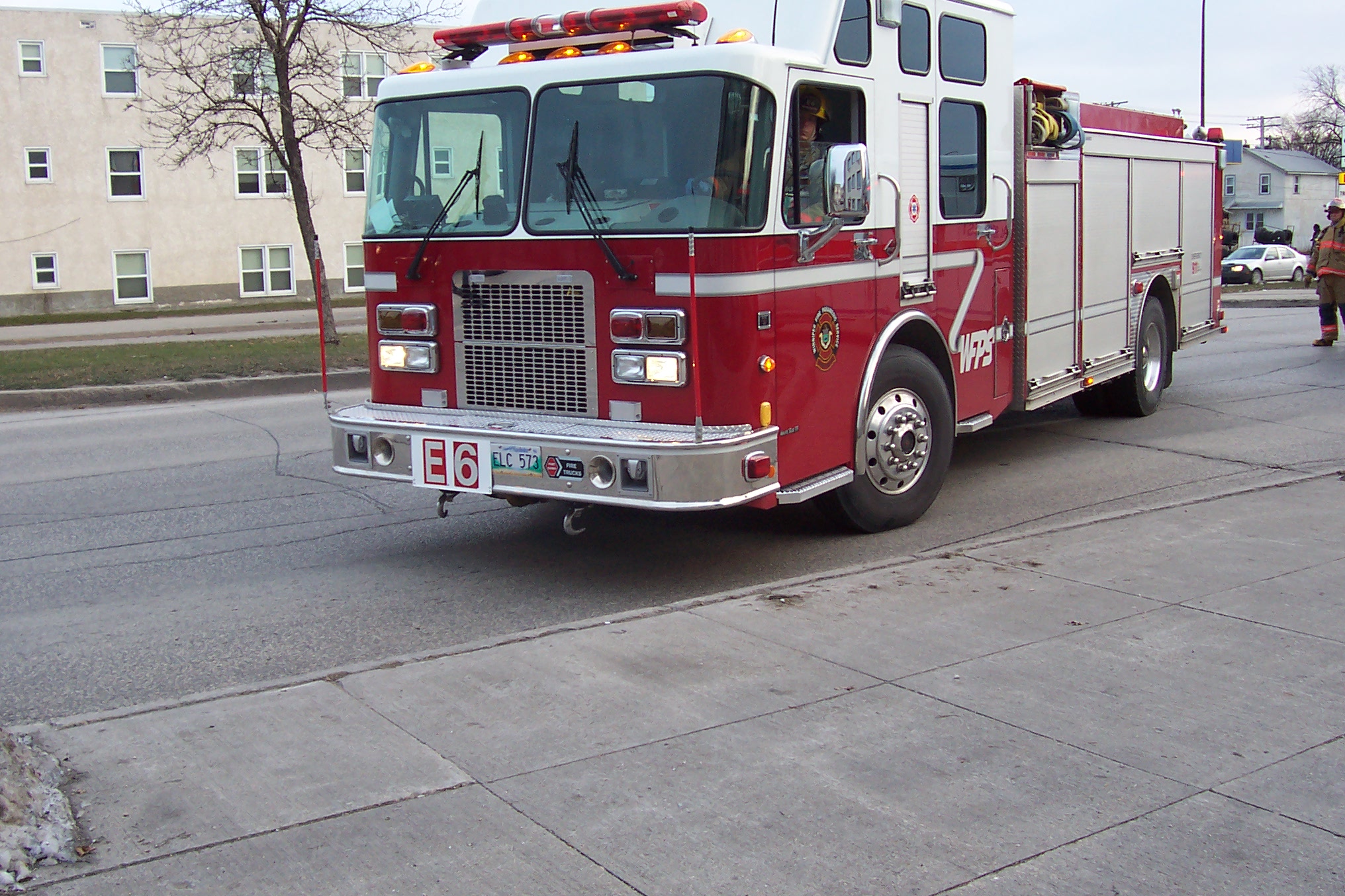
Winnipeg paramedics and firefighters have given the overdose-reversing drug naloxone to more patients this year than in any full year on record, and there were still two months left to count.
From Jan. 1 to Oct. 29, 2026, Winnipeg Fire Paramedic Service crews gave naloxone to 3,736 patients, according to the city’s own naloxone administrations dataset, which logs one row for each patient. That is 77 per cent more than the 2,116 patients in the same period of 2025, and already well above the previous full-year high of 3,110 patients in 2023.
The number of doses rose even faster. Crews gave 6,945 doses in the first 10 months of 2026, up 81 per cent from 3,832 in the same stretch of 2025. Almost half of this year’s patients, 1,841 of 3,736, needed two or more doses before crews recorded the treatment as finished, and 136 needed five or more. On average, each patient this year received 1.86 doses, up from 1.81 in the same period of 2025 and 1.52 in all of 2016.
The three busiest months in the city’s records, which go back to late 2007, all came this year. Crews gave naloxone to 609 patients in April 2026, nearly as many as in all of 2012. July followed with 507 patients and October with 406. Before 2026, no month had topped 390, a level last reached in July 2020.
A second city dataset points the same way. The fire paramedic service also publishes patients’ own accounts of substance use recorded by crews, with one row for each patient and each substance. Opioids appeared in 4,969 records between Jan. 1 and Oct. 29 this year, nearly double the 2,493 in the same period of 2025. Alcohol appeared in 4,160. It is the first year since that dataset begins in 2011 that opioids have outnumbered alcohol. In 2019, opioids appeared 398 times and alcohol 5,679 times.
Most of the people crews treated with naloxone this year were young adults. Patients aged 25 to 39 made up 2,137 of the 3,736, or 57 per cent. The records list 161 patients aged 15 to 19 and eight aged 10 to 14. Men made up 2,080 patients and women 1,553, and 103 had no gender recorded.
The long-run climb is steep. Crews gave naloxone to 757 patients in all of 2015 and 1,524 in 2016. The count passed 2,600 in 2020 and 2021, dipped to 2,058 in 2022, and has stayed above 2,500 every year since.
The records do not show how many of these patients survived, how many died, or what drug was in their system, because the naloxone dataset records only that the drug was given and how many times. They do not count naloxone given by police, by friends or by the free take-home kits handed out across Manitoba, so the city figures are a floor, not a full count of overdoses. A patient who overdosed more than once appears once for each call. A rise in doses per patient can mean stronger drugs, but it can also reflect changes in how crews treat or record patients, and the data cannot tell those apart.
Manitoba’s provincial overdose death counts for 2026 were not part of this analysis. Readers who use drugs, or who live with someone who does, can get a free naloxone kit at pharmacies and harm reduction sites across Manitoba; our guide to where to get free naloxone in every province lists the options. Anyone who sees an overdose should call 911.
How we checked: We downloaded the City of Winnipeg’s Naloxone Administrations dataset (29,245 patient records, Nov. 21, 2007, to Oct. 29, 2026) and its Substance Use dataset (118,646 patient-substance records from 2011) through the city’s open data service on Nov. 21, 2026. We counted patients and summed doses by year, by month and for the same Jan. 1 to Oct. 29 window in each year, so 2026 is compared only with the same part of earlier years. Age groups and gender are as the city records them. Each count was run twice. The fire paramedic service did not take part in this analysis, and the figures are the city’s own.
Follow Canada News Media
Get the day's top Canadian stories and our two daily 60-second news videos wherever you scroll.
X Threads Facebook Instagram LinkedIn TikTok YouTube Pinterest Reddit Substack Flipboard Newsletter RSS