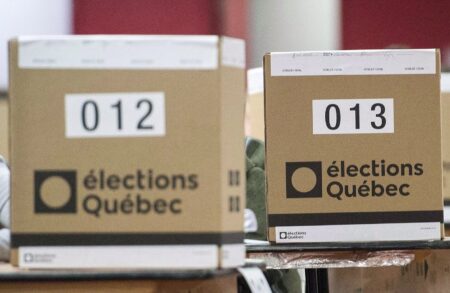



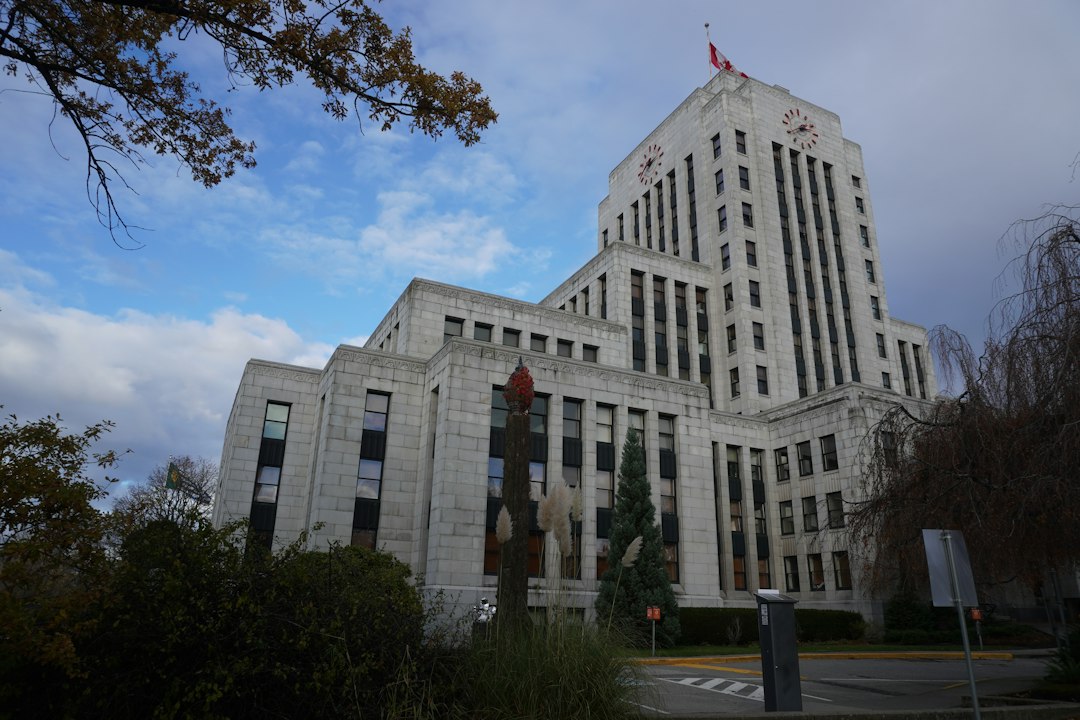
Vancouver voters can start casting ballots this Saturday. Advance voting in the 2026 civic election opens Oct. 3, two weeks before general voting day on Oct. 17, and the City of Vancouver has nearly tripled the number of places to do it.
According to the city’s pre-election readiness update, advance voting runs on four days, Oct. 3, 7, 10 and 13, from 8 a.m. to 8 p.m. The number of advance voting places per day rises to 60 from 22 in 2022, including new, larger supercentres with more staff and voting equipment, and total advance voting hours climb to 2,856 from 1,320. Voters can use any voting place in the city, not just one near home, the city says on its election site. Mail ballots are available on request, and Daily Hive reported the number of ballot drop boxes is rising to 12 from seven.
The expansion comes with a bigger bill. Daily Hive, citing city figures, reported in June that election administration is budgeted at $9.4 million, more than double the $4.41 million spent in 2022, when turnout was 36.3 per cent and 171,494 ballots were cast. The city also plans to station security staff at every voting location for the first time, according to the same report.
A long ballot
Voters will elect a mayor, 10 councillors, seven park board commissioners and nine school board trustees, all at large. The city’s final candidate list, published in September with ballot order set by random draw, has 130 names: eight for mayor, 56 for council, 35 for park board and 31 for school board, Daily Hive reported.
The eight mayoral candidates are incumbent Ken Sim (ABC Vancouver), Pete Fry (Green Party of Vancouver), Colleen Hardwick (TEAM for a Livable Vancouver), Rebecca Bligh (Vote Vancouver), Kareem Allam (Vancouver Liberals), Muhammad Ahmad (Bright Future Vancouver), and Amauri Caliman and Scott Gilbert, who have no listed party affiliation.
Polling points to a competitive race, though the numbers vary by firm. A Justason Market Intelligence poll released Sept. 16 put Fry at 45 per cent among decided voters, Sim at 30, Hardwick at 11, Allam at 10 and Bligh at 5. An earlier Research Co. survey, analysed in Business in Vancouver by pollster Mario Canseco, had Sim ahead but described the field as wide open. In July, CTV News reported that about one in three voters was still undecided.
Platforms still landing
Parties are still filling in their pitches with less than three weeks to go. On Sept. 30, Daily Hive reported on Fry’s Green platform, which promises bike lanes on Broadway during SkyTrain construction, converting at least 11 per cent of road space to transit, walking, cycling and green space, and a new municipal housing bond in which investors would help finance City-owned affordable homes. Daily Hive noted the platform does not include an overall cost estimate or its effect on property taxes.
Sim’s ABC Vancouver is campaigning on a 2027 property tax freeze, a ban on hard drug use in public spaces, at least 100 involuntary care beds and ending residential parking permit fees, according to a Sept. 25 Daily Hive summary of party platforms. Hardwick’s TEAM pledges to keep property tax increases at or below inflation, Bligh’s Vote Vancouver proposes middle-income housing on public land and free transit for youth under 18, and Allam’s Liberals want to replace the Vancouver Building Bylaw with the B.C. Building Code and merge the city’s housing-approval departments.
Five yes-or-no questions
Beyond the races, voters will answer five questions. Three ask whether the city may borrow a combined $790 million toward its $3.5-billion 2027-2030 capital plan: $292 million for transportation and street infrastructure, $438 million for community and essential facilities such as recreation centres and libraries, and $60 million for parks and open spaces, Daily Hive reported.
A separate ballot carries two advisory public safety plebiscite questions brought forward by Sim’s ABC majority in August. One asks whether the city should strengthen its laws to forbid open-air use of hard drugs such as heroin, meth, fentanyl and crack in public spaces. The other asks whether the city should formally ask the province to turn part of the old St. Paul’s Hospital, or a similar site, into a secure facility with acute voluntary and 100-plus involuntary care beds. The results are not legally binding, Daily Hive reported.
Two elections in one month
The civic vote lands one week before the snap provincial election Premier David Eby called for Oct. 24, meaning Vancouver residents will vote twice in eight days. Local government leaders had asked Eby to avoid the overlap, the Globe and Mail reported. Civic advance voting closes Oct. 13, and the city says voters can find their nearest voting place at vancouver.ca/vote or by calling 3-1-1.
If you find reporting like this useful, consider supporting Canada News Media, an independent Canadian newsroom with no corporate parent.
Sources: City of Vancouver 2026 pre-election readiness update and vancouver.ca/election; Daily Hive (candidate list, Green platform, party promises, borrowing questions, plebiscite, election budget); Justason Market Intelligence; Business in Vancouver; CTV News.
Follow Canada News Media
Get the day's top Canadian stories and our two daily 60-second news videos wherever you scroll.
X Threads Facebook Instagram LinkedIn TikTok YouTube Pinterest Reddit Substack Flipboard Newsletter RSS