


Canada’s counter-tariffs on American goods took effect at 12:01 a.m. Tuesday, applying rates of 15, 25 and 50 per cent to roughly $27.6 billion in imports, with mobile phones, video game consoles, monitors and projectors among the electronics carrying the top 50 per cent rate. Very little of that is likely to reach Canadian shelf prices, because almost none of those devices are made in the United States.
The distinction is written into the measure itself. Finance Canada’s product list, last updated Aug. 26, states that the tariffs “only apply to goods originating from the U.S., which shall be considered as those goods eligible to be marked as a good of the U.S.” under the Determination of Country of Origin for the Purpose of Marking Goods (CUSMA Countries) Regulations. What governs is where a product was manufactured and substantially transformed, not the address it ships from.
“What I would say to most Canadians is, don’t be too worried that suddenly [you’re] going to see 50 per cent price hikes,” Kevin Jia, co-founder and chief executive of Canadian custom PC builder Quoted Tech, told MobileSyrup in an interview published Aug. 28. “If somebody is telling you, ‘hey, by the way, this is 50 per cent more expensive because of the tariffs,’ I would question that.”
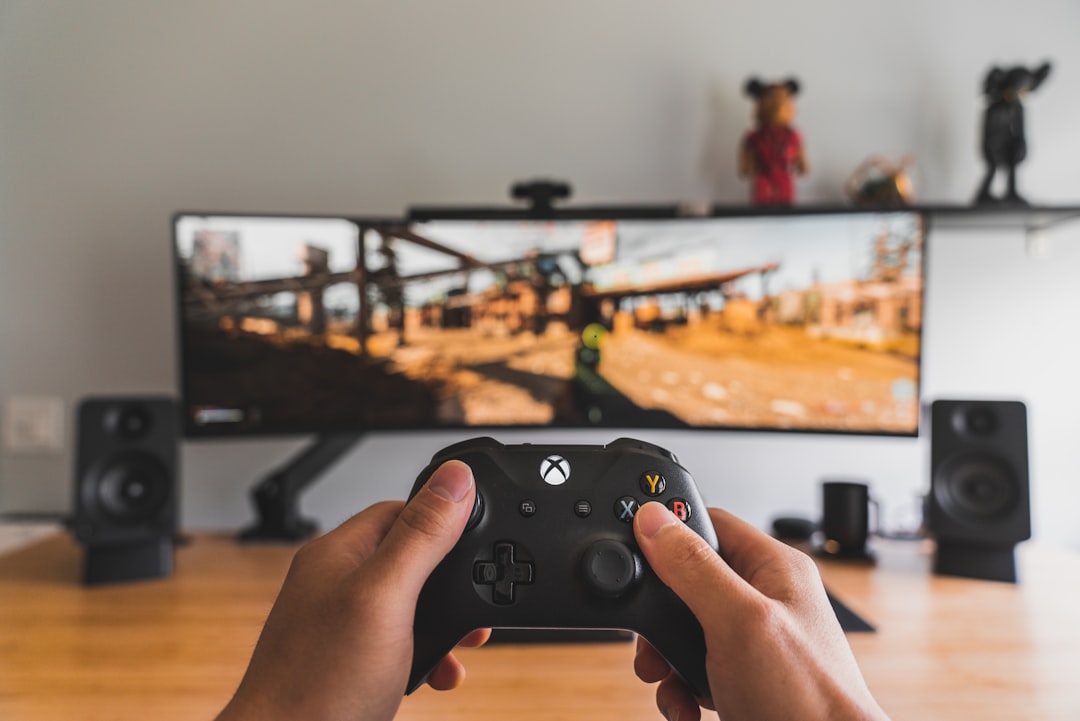
The three current game consoles illustrate the point. Bloomberg has reported that Nintendo’s Switch 2 is assembled in Vietnam by the Japanese-registered Hosiden Corp., which also runs plants in China and Malaysia, that Sony builds the PlayStation 5 in Vietnam through Goertek Inc. and Pegatron Corp. as well as in Japan, and that Pegatron’s Vietnamese facilities assemble Microsoft’s Xbox consoles. None of the three are assembled in the United States.
Jia said the rule cuts both ways for Canadian firms. Most of the assembly on his own company’s computers happens in Canada, he said, but when Quoted ships a machine to the United States it is treated as Vietnamese in origin, because that is where the processor is assembled and the soldering is completed, the step American authorities treat as the critical transformation of the product.
He cautioned that enforcement is a separate question from the rule. “These are major, major policy shifts that happen very quickly, and agencies just kind of scramble,” Jia said, adding that the tariff schedule runs to millions of codes and can be “hopelessly confusing as a business, let alone an individual consumer.” Misclassification by an agency, or a misdeclaration by an importer, could still produce charges that a correct reading of the rules would not.
Finance Canada has said the countermeasures do not apply to American goods already in transit to Canada on the day they came into force, and has directed importers to Canada Border Services Agency customs notices for administrative detail. MobileSyrup reported that Apple and Microsoft’s Xbox division did not respond to its questions about the tariffs, and that Google said it had nothing to share.
The pressure Canadian buyers are more likely to feel this fall comes from memory chips rather than from customs. Jia called it “chip-flation because of AI datacentres,” and said it would move prices more than tariffs can. TrendForce projected in a pricing survey reported July 4 by Tom’s Hardware that conventional DRAM contract prices would rise another 13 to 18 per cent in the third quarter of 2026, and NAND flash prices 10 to 15 per cent, following increases of roughly 60 per cent in the second quarter.
TrendForce attributed that slowdown to consumer electronics manufacturers reaching the limit of what they can absorb rather than to any improvement in supply, with memory makers still shifting capacity toward higher-margin server parts for AI systems. For a Canadian pricing a phone, a console or a PC build this fall, that is the number worth watching.
Sources: Department of Finance Canada, list of products subject to counter-tariffs effective Sept. 8, 2026; MobileSyrup, Aug. 28, 2026; Bloomberg reporting on console manufacturing; TrendForce via Tom’s Hardware, July 4, 2026.