


Transat A.T. Inc. reports third-quarter results Thursday morning, and the figure that deserves the most attention is not the loss at the bottom of the statement. It is the size and the shape of what the Montreal company now owes the federal government, because Ottawa has become Air Transat’s lender, its creditor and, on paper, one of its largest shareholders at the same time.
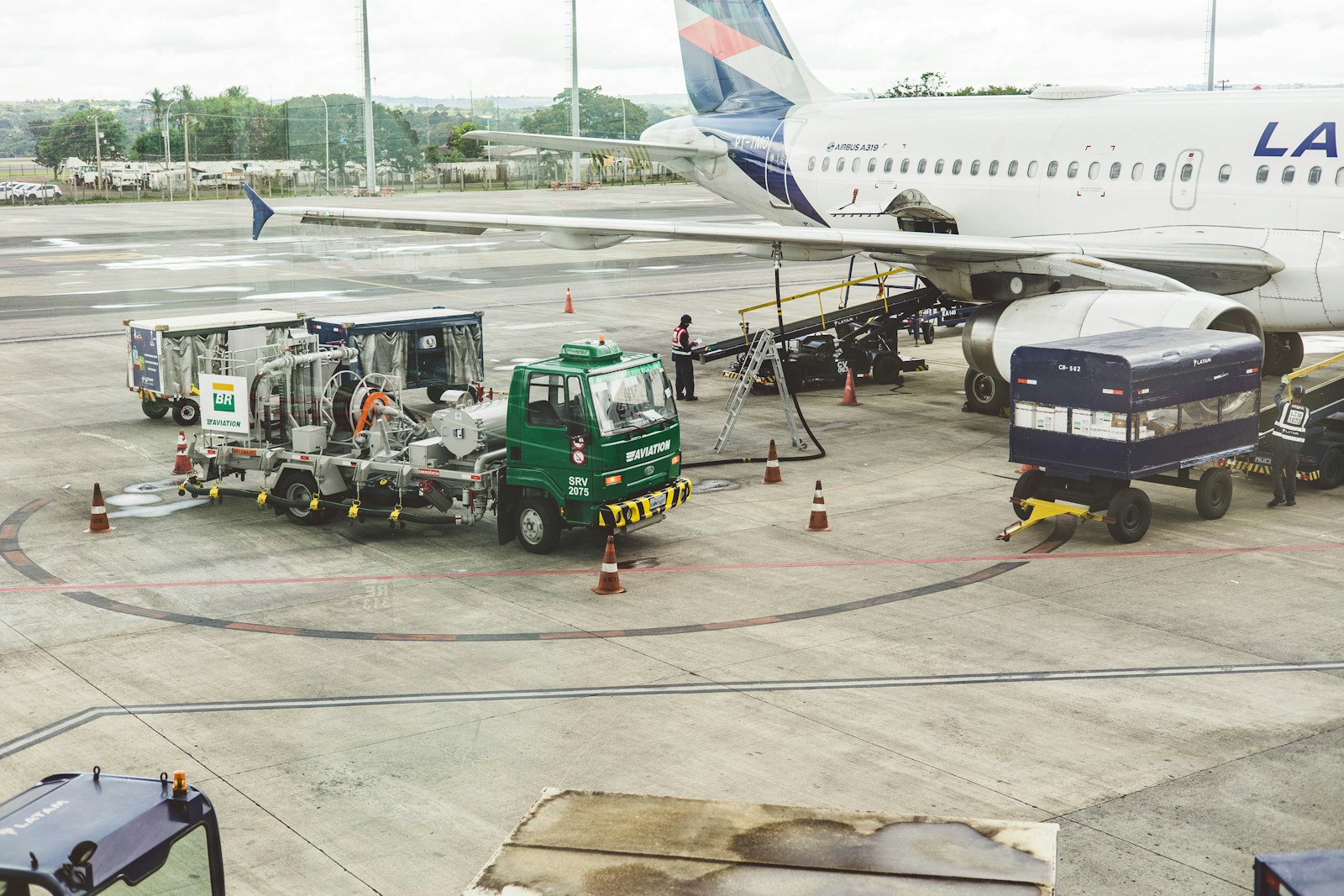
The company said on Aug. 21 that its fuel bill for the three months ended July 31 ran roughly $105 million higher than the same period a year earlier, a 50 per cent increase over the extra amount it absorbed in the preceding quarter. Across the two quarters combined, Transat paid about $175 million more than it did last year to fuel its 42 aircraft. Chief executive Annick Guerard and chief financial officer Jean-Francois Pruneau are scheduled to take analyst questions at 10 a.m. ET on Sept. 10.
The cause sits outside Canada entirely. Disruption to shipping through the Strait of Hormuz during the U.S. war on Iran choked off a large share of global oil supply and cut regional refining capacity, sending jet fuel prices sharply higher. The spot price for U.S. Gulf Coast jet fuel has since eased to about US$3.57 a gallon from roughly US$4.34 at the peak of the conflict, according to figures reported by The Globe and Mail. Both numbers sit well above the pre-war level of about US$2. That third figure is the one that matters for policy, because a repayable loan is, in effect, a bet that prices eventually return toward it.
Ottawa’s response came on June 8, when the Minister of Finance and National Revenue announced the Liquidity for Airline Sector Resilience facility, offering eligible Canadian carriers up to $150 million each in repayable liquidity support. Transat was the first airline to use it, drawing the full $150 million in July. Porter Airlines followed with $125 million.
What most coverage of those two loans has not set out is what already sits underneath them. Both carriers are still repaying money borrowed under the federal pandemic support program in 2021 and 2022. In Transat’s case, that debt was restructured in July 2025 in a deal that cut its federal obligations from roughly $772 million to about $334 million and reduced annual interest expense by close to 90 per cent, according to the company. The Globe and Mail reported the write-down at about $400 million, taken in exchange for a $41-million payment and rights to voting shares amounting to 19.9 per cent of the company. Transport Canada’s own summary of the restructuring describes a $158-million debenture maturing in 10 years alongside preferred shares convertible into 19.9 per cent of Class B voting stock.
Read together, that is the part of Thursday’s report worth watching. The federal government forgave a substantial share of what Transat owed, took an equity position in return, and 11 months later lent the same balance sheet another $150 million against a fuel shock nobody expects to resolve on a quarterly timetable. Transat posted a $79-million loss in its second quarter. Its first annual profit since 2018 came only in fiscal 2025, immediately after the restructuring that made those numbers possible.
The competitive objection has already been filed. WestJet Airlines pushed back on the loan facility when it was announced, arguing that government-backed liquidity distorts the competitive landscape at a delicate moment for Canadian aviation. Air Canada said its balance sheet was strong enough to absorb the shock without help. Flair Airlines, the smallest of the group, welcomed the intervention. The split falls roughly along the line of who can borrow commercially and who cannot.
For travellers, the practical question is what all of this does to the winter sun season, which is the core of Air Transat’s business and the period the company will be selling into as it speaks to analysts. Sustained fuel costs typically show up first as trimmed capacity on marginal routes and later as higher fares, rather than as cancelled programs. Whether Transat signals either on Thursday will say more about the next six months than the quarterly loss does.
The specific things to listen for: whether the company has drawn beyond the initial facility, what it now carries in total federal debt, and whether management is planning around fuel prices returning to pre-war levels or holding where they are.
via The Globe and Mail, with additional reporting from BNN Bloomberg and Transport Canada.
Follow Canada News Media
Get the day's top Canadian stories and our two daily 60-second news videos wherever you scroll.
X Threads Facebook Instagram LinkedIn TikTok YouTube Pinterest Reddit Substack Flipboard Newsletter RSS