


Ottawa has signed a preliminary agreement with Swedish defence company Saab to acquire six GlobalEye surveillance aircraft, moving a major air-defence purchase into full contract negotiations as of Sept. 25, 2026. The government has been clear that the deal is not yet a contract, and the final price has not been disclosed.
According to a Canadian Press report carried by CBC News, the aircraft are meant to detect and track enemy aircraft, missiles and drones at long range. Saab described the document as a term-sheet agreement, according to trade outlet FlightGlobal. The Canadian government said the agreement “does not constitute a contract or commitment to procure aircraft,” and that talks now centre on a “Canadian configuration and development program.”
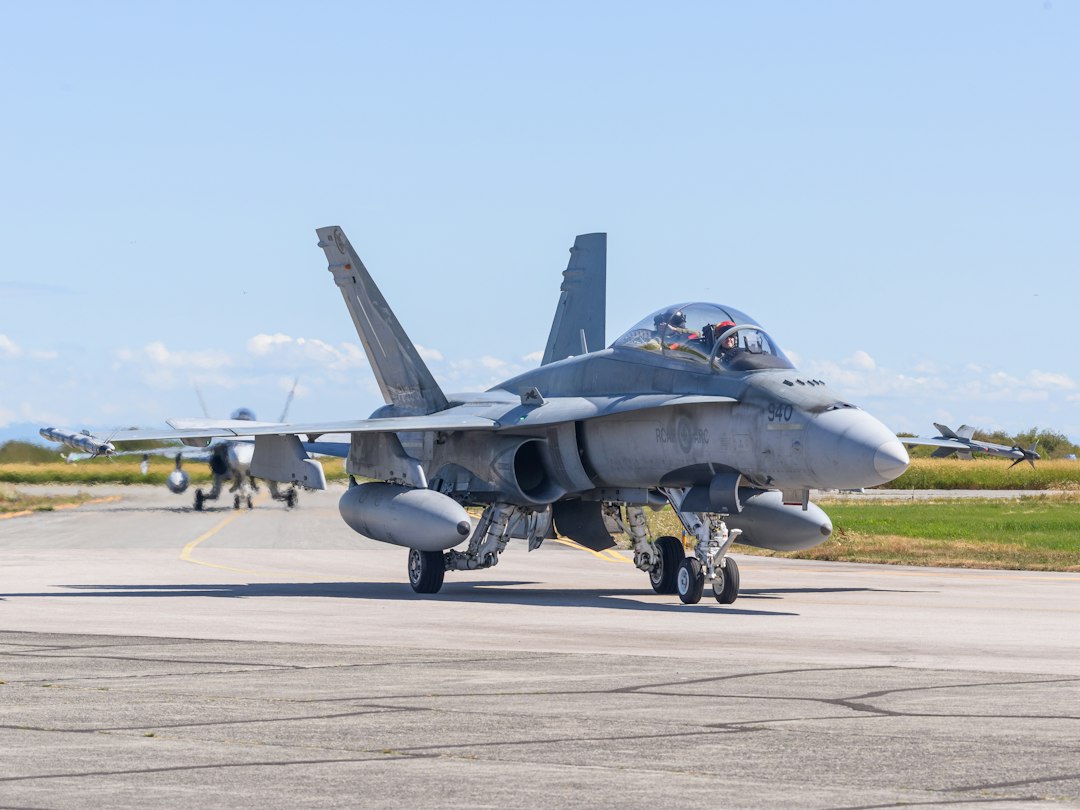
The purchase is known in military circles as airborne early warning and control, or AEW&C. In plain terms, these are flying radar stations. They give commanders a wide, elevated view of what is approaching, which matters for a country that shares continental air defence with the United States through NORAD and has one of the longest coastlines and northern approaches in the world.
The Canadian link goes beyond the customer. The GlobalEye is built on the Bombardier Global 6500 business jet, fitted with Saab’s Erieye radar and mission systems, according to The Aviationist. Ottawa says the Canadian aircraft would be built in Canada in collaboration with Bombardier. Saab has also promised what it calls “substantial Canadian industrial participation,” including work on manufacturing, maintenance and upgrades, the outlet reported. Saab is also working with Canada to build aircraft for other customers, including NATO, France, the Netherlands and the United Arab Emirates, according to the Canadian Press account. For readers in Ontario’s aerospace corridor, that could mean skilled jobs, though no employment figures have been released.
The timeline of the decision is worth noting. The government first announced its intention to buy the aircraft in late May, when Saab was named the preferred supplier. Sept. 25 is the next step, not the finish line. A term sheet sets out the framework for talks. It does not fix a price, a delivery date or the exact list of Canadian work.
That gap is where the political fight is happening. The Conservatives have objected to going ahead without an open tender. Defence critic James Bezan called for investigations, saying, “Canadians deserve to know if politicians, Liberal staffers and bureaucrats were putting political decisions ahead of national security.” He did not present evidence in the material reviewed for this article, and the government has not responded to that claim in the coverage available.
CBC News also reported that the GlobalEye has met only a limited number of the military’s stated requirements and would need modifications, a situation it said is similar to competing proposals from Boeing and L3Harris. That detail cuts both ways. It suggests Saab did not clear the bar cleanly, but also that no rival did either. Taxpayers will want to know how the government weighed those trade-offs, and whether the “Canadian configuration” adds cost or delay compared with buying an existing design.
Several questions remain unanswered in public reporting so far. What will the six aircraft cost, and over what period? When would the first one arrive? How many jobs are tied to the Canadian build, and where? And what will Ottawa release to show that a sole-source path was the better choice than a competition?
Young Canadians who will be paying for and living with these decisions for decades have good reason to watch whether the final contract is published in full and what it says about price, schedule and Canadian work.
The next milestone to watch is a signed contract. Until then, the Sept. 25 agreement commits Ottawa to talks, not to a purchase.
Via CBC News / The Canadian Press. Original report: Ottawa signs preliminary deal with Swedish firm Saab for 6 GlobalEye aircraft. Additional reporting from FlightGlobal and The Aviationist.
Follow Canada News Media
Get the day's top Canadian stories and our two daily 60-second news videos wherever you scroll.
X Threads Facebook Instagram LinkedIn TikTok YouTube Pinterest Reddit Substack Flipboard Newsletter RSS