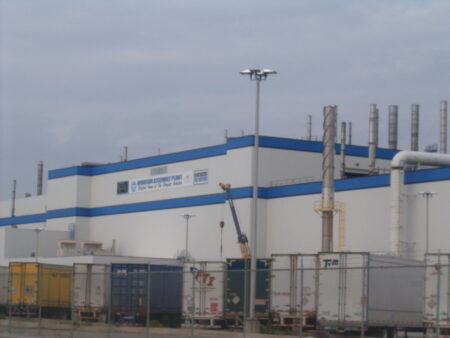



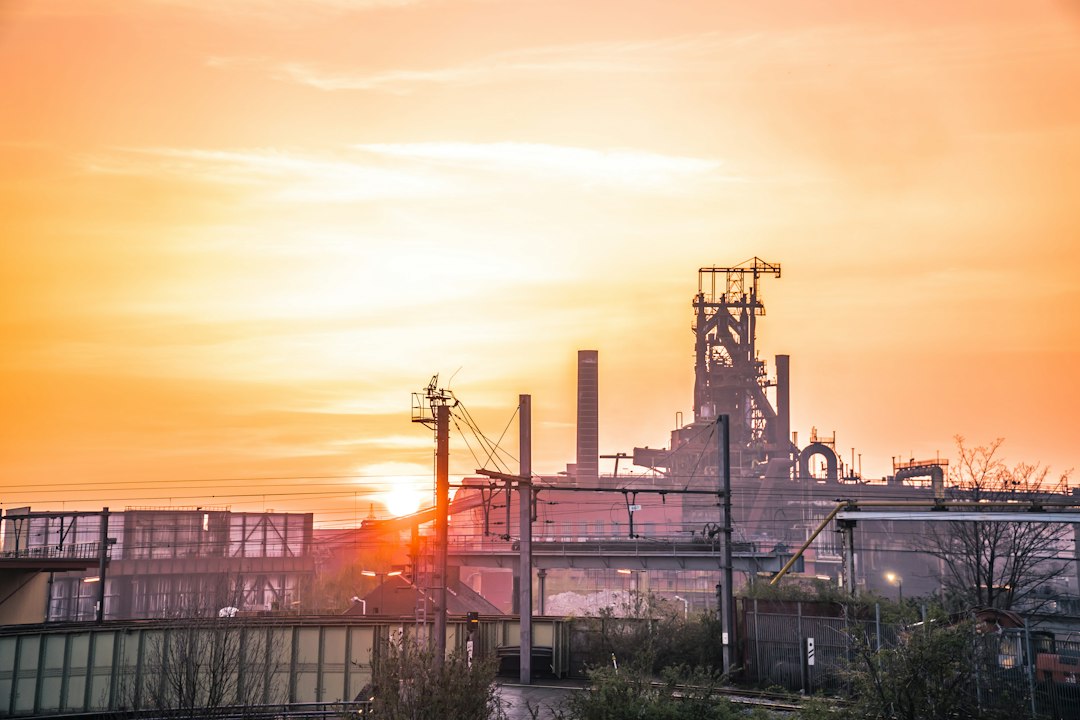
About 350 steelworkers at Stelco’s Hamilton plant will be laid off as the company idles its cold-rolled and coated steel operations, United Steelworkers Local 1005 confirmed Monday, Sept. 28, in the latest sign of how U.S. steel tariffs are reshaping Ontario’s industrial base.
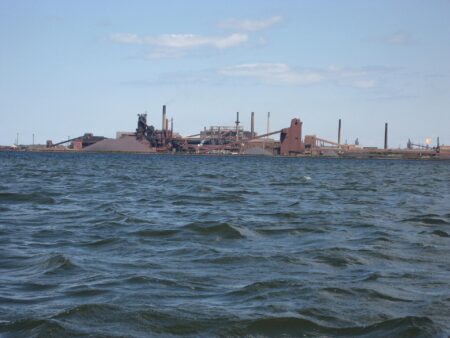
The Hamilton layoffs follow a 50 per cent U.S. tariff on Canadian steel under Section 232 of the U.S. Trade Expansion Act. Stelco, owned by U.S.-based Cleveland-Cliffs since a $3.4-billion deal in 2024, says it will concentrate steel production at its Lake Erie Works plant in Nanticoke, Ont., according to CP24 and Global News.
Local president Ron Wells called the situation “extremely devastating,” Global News reported. He said the company told the union that pricing for coated products is “very low” because of the tariffs. The union’s figure of 350 covers production layoffs. Stelco has said as many as 500 employees could be affected across its operations, according to Global News and Hashtag Investing, so the final human toll may be larger than the headline number.
A Stelco spokesperson told CP24: “Very importantly, job opportunities at Lake Erie Works will be offered to Hamilton employees.” In a separate statement carried by BNN Bloomberg, the company said it expects “a significant number of employees affected by the indefinite idle at Hamilton should be absorbed at Lake Erie Works.” Neither statement says how many jobs will be offered, on what terms, or how seniority will be handled.
Investing.com reported that the wind-down begins Oct. 9 and that Cleveland-Cliffs shares fell nearly eight per cent after news of the idling broke. Hashtag Investing reported that the affected equipment includes a coated-steel line with capacity of roughly 470,000 tons a year. That figure comes from a single outlet and was not confirmed by the company in the coverage reviewed.
The move was not a surprise to anyone tracking the company’s public comments. Cleveland-Cliffs chairman and CEO Lourenco Goncalves said in July that “without further trade protections the future competitiveness of our galvanizing lines in Hamilton is at risk,” according to BNN Bloomberg. Galvanizing is the process of coating steel to resist rust, and it is the kind of value-added work that tends to employ more people per tonne than basic steelmaking.
That is the part of the story that deserves the most scrutiny. Investing.com reported that Cleveland-Cliffs is shifting toward higher volumes of hot-rolled coil while maintaining overall steel tonnage. If that is accurate, Canada may not lose steel output at all. It may lose the finishing jobs that sit downstream of it. For a city like Hamilton, where finishing lines have long anchored good union wages, that distinction matters. Workers offered a job at a plant in Nanticoke would face a new commute or a move, and the company has not said whether wages and benefits would carry over.
Politicians were quick to respond. Conservative Leader Pierre Poilievre criticized Prime Minister Mark Carney’s handling of the tariff file, Global News reported, and Hamilton-area MP Ned Kuruc called the news “devastating.” A spokesperson for Ontario’s economic development minister, Vic Fedeli, told CP24 the province will “use every tool we have to help affected workers,” pointing to a $30-billion tariff relief and support plan.
Premier Doug Ford has been openly critical of Stelco’s owners. CP24 noted his August 2025 remark about the Cleveland-Cliffs chairman, whose support for U.S. tariffs he objected to: “I got a problem with that guy.” The layoffs raise an awkward question for governments on both sides of the border: can a foreign owner that publicly backs protectionism be relied on to keep Canadian jobs?
Several questions remain open. Stelco has not said how many Hamilton workers will actually be placed at Lake Erie Works, or how many will be left to seek severance and employment insurance. Ottawa has not, in the coverage reviewed, announced a specific response for the Hamilton workers. And the company has not said whether the idling is truly indefinite or could be reversed if a Canada-U.S. trade deal removes the steel tariff.
For young workers in the trades and in steel-dependent towns, the answer will shape more than one plant. Hamilton’s steel sector supplies auto parts makers, construction firms and appliance manufacturers across southern Ontario. Cuts at the finishing stage can ripple through those supply chains long before they show up in national job numbers.
via CP24. Additional reporting from Global News, BNN Bloomberg and Investing.com.
Follow Canada News Media
Get the day's top Canadian stories and our two daily 60-second news videos wherever you scroll.
X Threads Facebook Instagram LinkedIn TikTok YouTube Pinterest Reddit Substack Flipboard Newsletter RSS