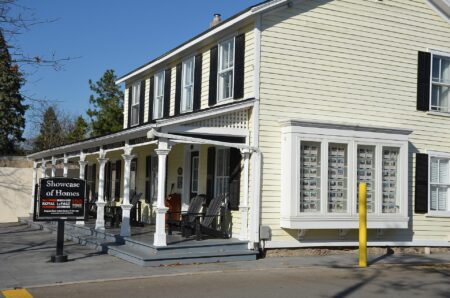



Canadian landlords are asking for less than they were a year ago in nearly every segment of the market, and condo owners are taking the biggest hit. The average asking rent for all property types in Canada was $2,035 in August, down 4.8 per cent from a year earlier, according to the Rentals.ca National Rent Report published Sept. 9. It was the 23rd consecutive month of annual decline.
Month over month, the national figure slipped just 0.1 per cent, suggesting the slide is flattening even as the year-over-year gap stays wide. Rentals.ca measures asking rents on listings, not what sitting tenants pay, so the figures track where new leases are being priced rather than what existing renters are charged.
Condos and secondary units lead the drop
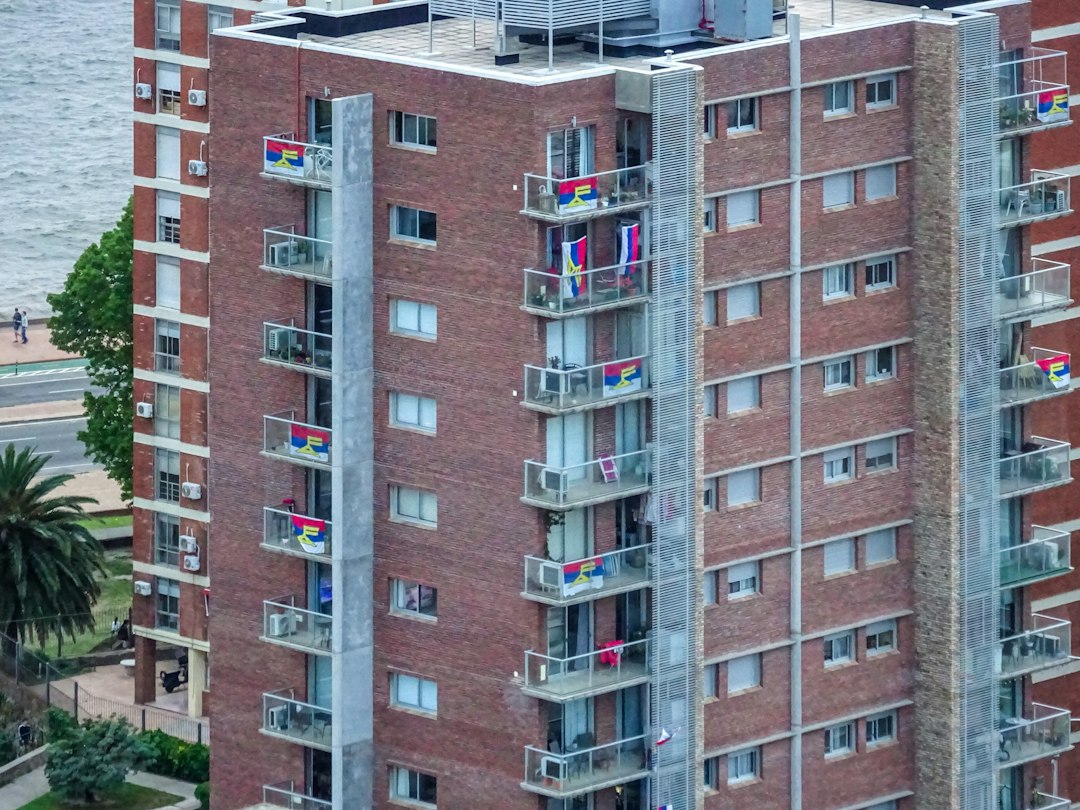
The property-type split is the most telling part of the report. Purpose-built rental apartments were the most resilient, at an average of $2,038, down 3.3 per cent from a year earlier. Condominium apartments averaged $2,050, down 7.7 per cent. Secondary-market units, which include basement suites, rented houses and townhouses, averaged $2,014, down 8.3 per cent.
The gap between condo and purpose-built asking rents has narrowed to $12 a month, based on Rentals.ca’s figures. That is a striking shift for a segment that, in many cities, has long commanded a premium over older purpose-built stock.

Big cities, uneven declines
Vancouver remains the most expensive of the four largest markets in the report, with an average asking rent of $2,704 in August. That is down 4.1 per cent from a year earlier, although it rose 1.0 per cent from July. Toronto averaged $2,570, down 1.4 per cent year over year and 0.3 per cent month over month.
Calgary saw one of the sharper annual declines, with the average asking rent at $1,825, down 4.5 per cent from a year earlier and 0.2 per cent from July. Montreal averaged $1,955, down 1.1 per cent year over year, but rose 0.8 per cent from July.
Set side by side, the figures show a wide spread: a renter in Vancouver is asked for $879 a month more than one in Calgary, and $615 more in Toronto than in Montreal. Those gaps are simple differences between the Rentals.ca averages, and they compare asking prices for all property types, not like-for-like units.
What it means for buyers and the rate outlook
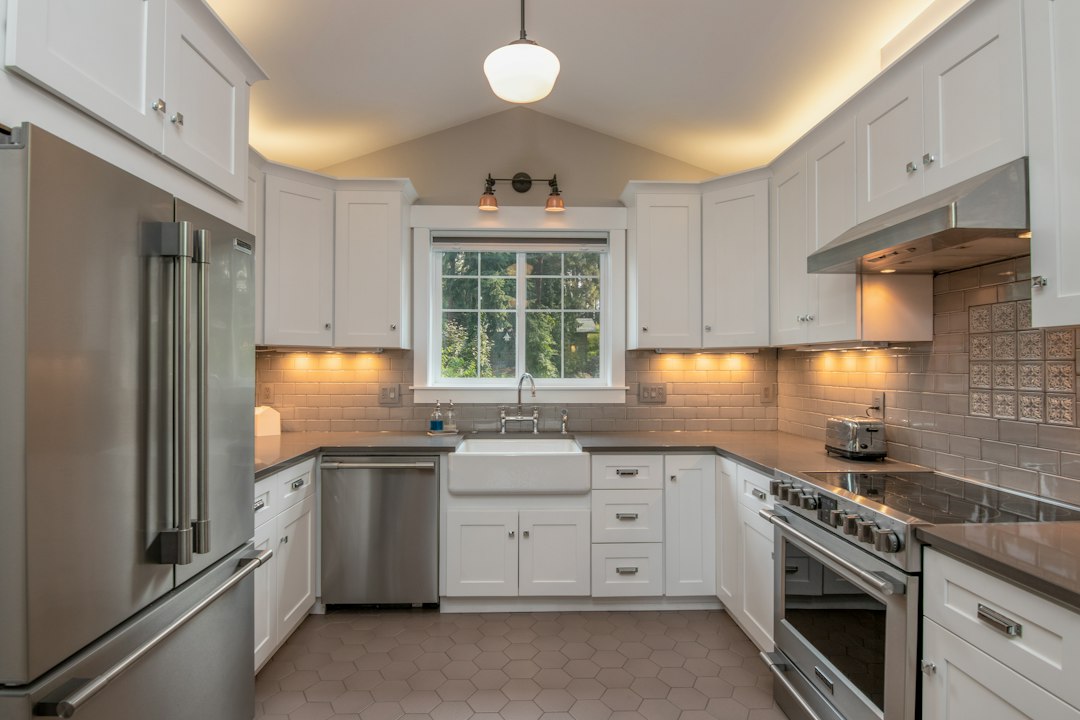
Softer rents matter beyond the rental market. Lower asking rents mean less income for owners of rented condo units. The Bank of Canada held its policy rate at 2.25 per cent on Sept. 2, its seventh consecutive hold, and said upside inflation risks have increased while growth prospects are less certain. The next decision is scheduled for Oct. 28.
Supply is also shifting. Canada Mortgage and Housing Corp. reported that housing starts were flat in August at a seasonally adjusted annual pace of 229,046 units, and its deputy chief economist, Kevin Hughes, said the agency expects the downward trend to continue as construction activity moderates. Multi-unit starts, the category that feeds rental supply, are trending down 2 per cent, according to CMHC.

Whether falling asking rents reflect a lasting rebalancing or a temporary pause is not yet clear. The monthly change in the national average is small, and the report’s next edition, covering September, will show whether the 23-month streak of annual declines extends.
Sources: Rentals.ca National Rent Report (August 2026 data, published Sept. 9); Bank of Canada, Sept. 2 announcement, via nesto.ca; CMHC housing starts release for August 2026; Facilities Management Now, Sept. 10. Photos are illustrative stock photography by Danilo Rios, Clay Elliot, Kate Trysh and Nikolai Kolosov via Unsplash, not images of any specific rental listing.
Follow Canada News Media
Get the day's top Canadian stories and our two daily 60-second news videos wherever you scroll.
X Threads Facebook Instagram LinkedIn TikTok YouTube Pinterest Reddit Substack Flipboard Newsletter RSS