

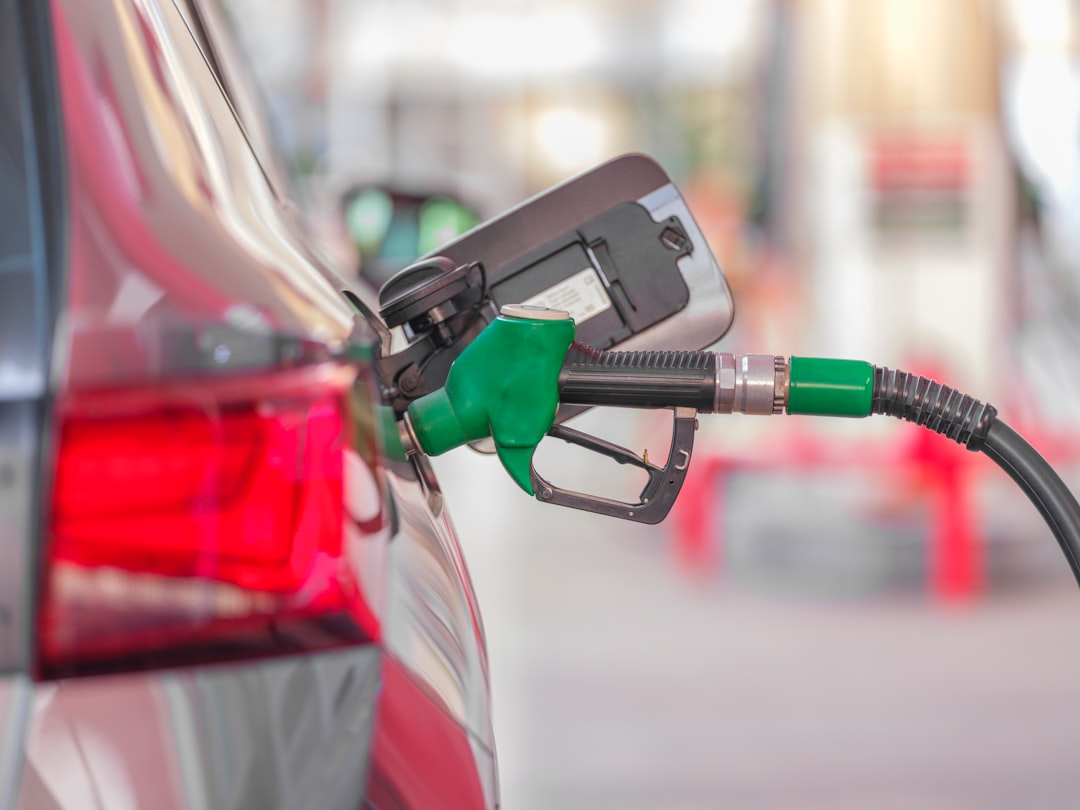
Alberta drivers will pay no provincial tax on gasoline or diesel starting Oct. 1, after global crude prices triggered an automatic relief formula the province has had on the books since 2022, rather than a fresh political decision, according to details in Alberta’s own Fuel Tax Relief Program fact sheet.
The 13-cent-per-litre tax will be suspended through Dec. 31 because West Texas Intermediate crude averaged $90.54 US a barrel during the Aug. 18 to Sept. 15 review window, clearing the $90 threshold that zeroes out the tax under the province’s price-based formula, Global News reported this week. Premier Danielle Smith’s office confirmed the change, and Smith said in a statement that “we have heard from Albertans who are facing continued high costs at the pump, so we are taking action to help with the cost.”
But the mechanism behind that decision is more complicated, and more automatic, than the announcement made it sound. Alberta’s Fuel Tax Relief Program, launched in April 2022, reviews WTI prices quarterly, on Jan. 1, April 1, July 1 and Oct. 1, using the average of the 20 trading days leading up to the 16th of the preceding month. Four price tiers determine the tax rate: at $90 US or more a barrel, the tax drops to zero; between $85 and $89.99, it falls to 4.5 cents a litre; between $80 and $84.99, it falls to nine cents; and below $80, the full 13-cent tax applies. A built-in cap also prevents the rate from jumping more than nine cents in a single quarter. Since 2022, the program has saved Alberta drivers more than $2 billion, including roughly $1.1 billion in the 2023-24 fiscal year alone, per the province’s figures.
That formula is also why the timing looked, to critics, like a political reversal rather than routine policy. NDP Leader Naheed Nenshi accused Smith of sitting on relief for months, telling reporters the premier “refused to follow her own legislation” and suggesting the suspension arrived “when the premier needs it,” not when Albertans needed it most. Alberta had held off on suspending the tax earlier this year even as prices spiked after the United States entered the conflict with Iran, reiterating as recently as three weeks ago that it would not act. Under the program’s quarterly, backward-looking review window, an earlier price spike does not trigger relief unless the average holds through the specific 20-day snapshot the formula uses, which is a distinction the government has not clearly explained to drivers frustrated by months of high prices with no tax relief in sight.
In the gap, Alberta leaned on a different tool: a one-time $100 energy rebate announced in June for the province’s roughly 3.4 million eligible residents. Only about 1.4 million people applied, Finance Minister Jason Nixon told reporters, and he acknowledged the rebate “did not work the way I was satisfied with,” citing problems with the application system itself. Nenshi estimated the new fuel tax suspension will save the average Alberta household $200 to $300 a year, more targeted relief than the rebate delivered, but only for as long as oil prices stay elevated.
There is a wider irony for Alberta’s budget. The same Middle East-linked volatility pushing pump prices higher, and now triggering this consumer relief, has also been lifting the province’s own royalty revenue: Alberta’s February 2026 budget showed a projected $9.4-billion deficit turning toward a smaller shortfall on the strength of energy prices, according to the province’s own fiscal update. Ottawa’s parallel fuel excise tax suspension, in place since April, has already been extended to January 2027. Both suspensions leave the same open question for the next quarterly review in January: what happens to the relief, and to household budgets, if oil prices come back down.
Via Global News, with additional reporting from the Lethbridge Herald and Alberta.ca’s Fuel Tax Relief Program fact sheet.
Follow Canada News Media
Get the day's top Canadian stories and our two daily 60-second news videos wherever you scroll.
X Threads Facebook Instagram LinkedIn TikTok YouTube Pinterest Reddit Substack Flipboard Newsletter RSS