


The Pan American Health Organization (PAHO) says the risk of measles spreading across the Americas “remains very high,” and Canada is one of the five countries that account for nearly all confirmed cases in the region this year.
PAHO, the World Health Organization’s regional office, issued the assessment in a news release on Oct. 9, based on a risk assessment dated Oct. 8. It counted 55,792 confirmed cases and 77 deaths in 17 countries and territories between Jan. 4 and Oct. 3, 2026. That is 4.8 times the number reported over the same period in 2025.
Guatemala reported the most cases, followed by Mexico, the United States, Peru and Canada. Together, those five countries make up 99.5 per cent of confirmed cases in the region, PAHO said. The release does not give a case count for Canada, and the figure was not available from the sources reviewed for this report.
PAHO said the main concern is travel. Several religious mass gatherings are expected in South America in the coming months, it said, and they are likely to increase domestic and international movement. The organization did not name the events or give dates. It also pointed to rising measles cases worldwide in 2026, which raise the chance of imported infections.
Jarbas Barbosa, PAHO’s director, said measles is highly contagious and that the region is “seeing the consequences of gaps in vaccination coverage.” Daniel Salas, PAHO’s executive manager of comprehensive immunization, said anyone planning to attend a large gathering should check that they are protected against the disease.
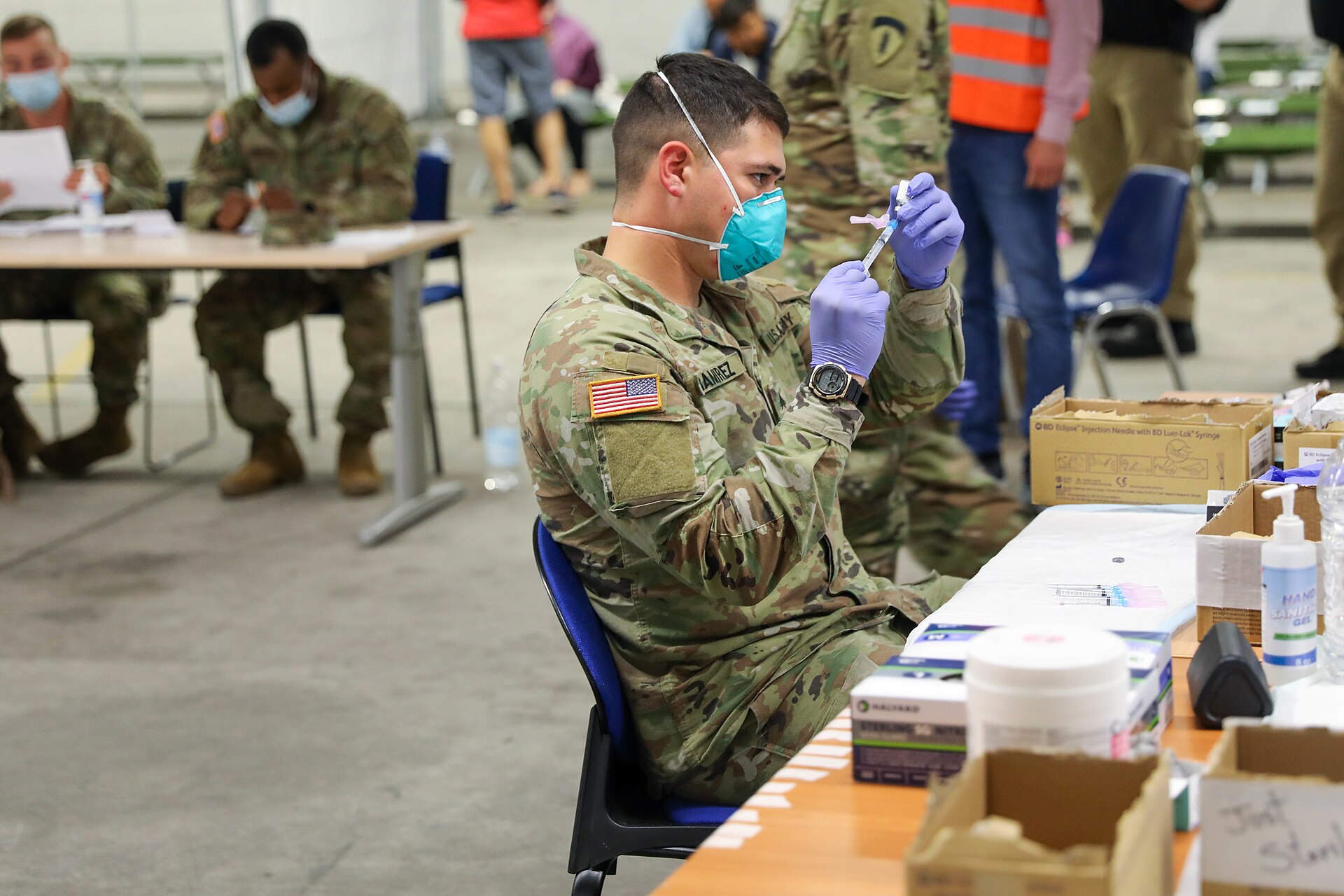
PAHO advised people aged six months and older who have no evidence of vaccination to get a measles-rubella dose before travelling, ideally at least two weeks ahead. Regional coverage with the measles, mumps and rubella vaccine in 2025 was 88 per cent for the first dose and 85 per cent for the second, below the 95 per cent needed to prevent outbreaks, PAHO said. About 1.6 million children in the region received no dose at all.
The warning landed in Canada on Oct. 15, when The Canadian Press reported on what it means for Canadians. The country lost its measles elimination status in November 2025 after failing to contain a year-long outbreak, the news agency reported.
Dr. Isaac Bogoch, an infectious diseases specialist at Toronto General Hospital, told The Canadian Press that most Canadians are immune because most people born after 1970 received one or two doses of vaccine, and most people born before 1970 likely had the infection. He described the risk in Canada as low but not zero, with unvaccinated people, whether by choice or because they are too young, remaining vulnerable.
Dawn Bowdish, an immunologist at McMaster University, said infants too young to be vaccinated face the most serious risk, and families should weigh that before travelling. She said unvaccinated pregnant people are also in danger, as is the baby. Canada’s vaccination rate is “significantly lower than it needs to be,” Bowdish said, and she called for more public health investment and proof-of-vaccination requirements for mass gatherings and school attendance.
The Public Health Agency of Canada advises against measles-containing vaccines for infants under one year, but children as young as six months who are travelling to outbreak areas may receive them, according to the news agency. That is earlier than the routine schedule, which varies by jurisdiction. Our guide to the measles vaccine schedule by province and territory sets out when each region gives the first and second doses.
The figures also help explain why local alerts keep appearing at home, including a recent measles exposure warning covering eight local businesses in Ottawa. A national vaccination rate of about 85 per cent can also hide pockets of much lower coverage, as we reported in our look at local measles vaccination rates.
The PAHO release does not say whether any of the expected gatherings are linked to Canadian travel, and neither PAHO nor the news agency provided a Canadian case total for 2026. Readers can check their vaccination records with their provincial or territorial health authority or family doctor.
Developing: figures are PAHO’s as of Oct. 3 and may change as countries report new cases.
If you find reporting like this useful, consider supporting Canada News Media, an independent Canadian newsroom with no corporate parent.
Via the Pan American Health Organization and The Canadian Press (CP24). Original reports: PAHO and CP24.
Follow Canada News Media
Get the day's top Canadian stories and our two daily 60-second news videos wherever you scroll.
X Threads Facebook Instagram LinkedIn TikTok YouTube Pinterest Reddit Substack Flipboard Newsletter RSS