

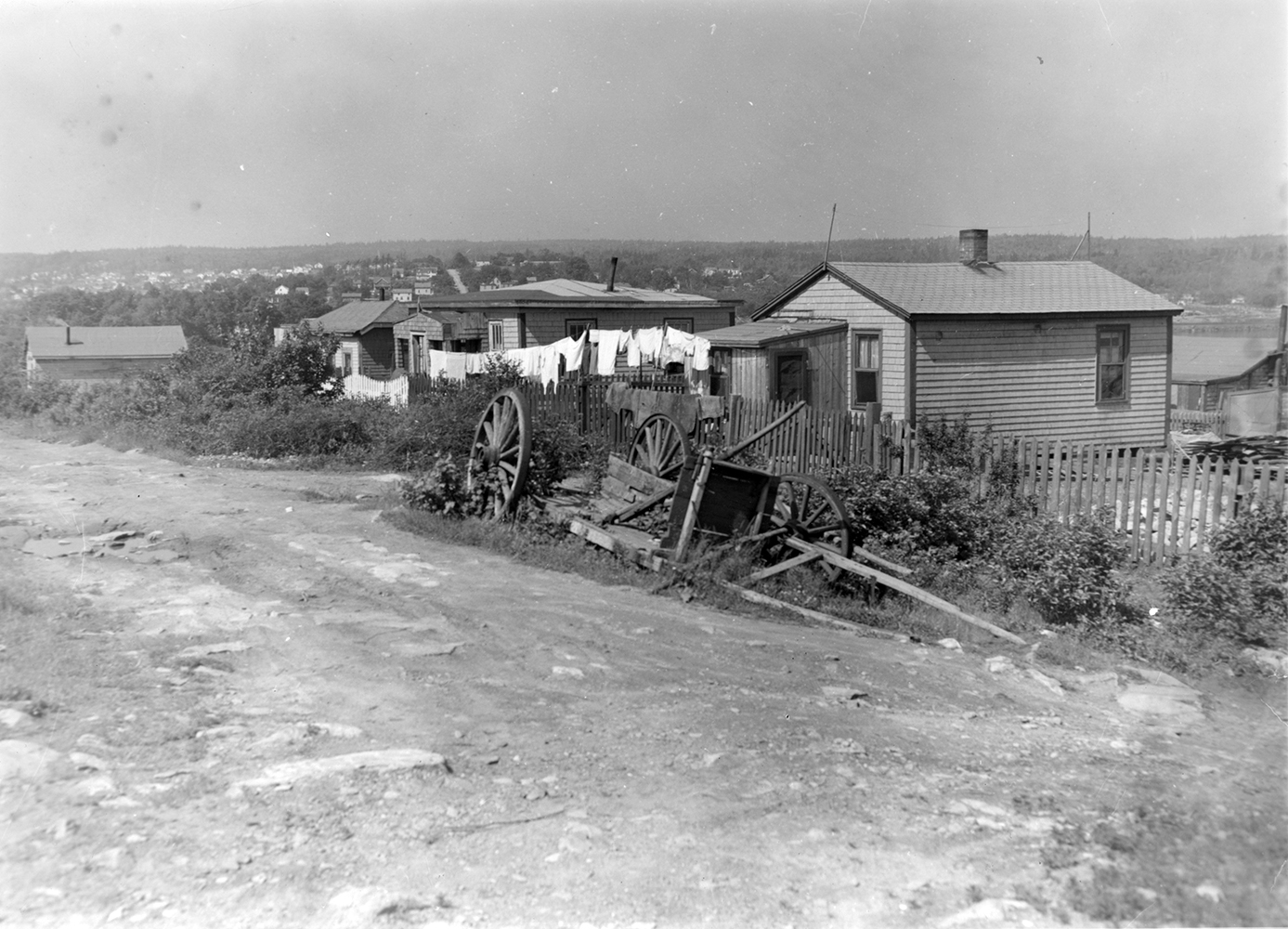
Africville was a Black community of about 400 people on the Bedford Basin in Halifax, with its own church, school, stores and post office, before the city razed it between 1964 and 1970, according to the Halifax Regional Municipality.
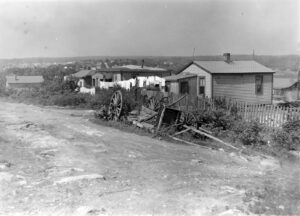
The municipality’s own account calls it a “thriving, close-knit community.” A city staff count from July 1962, preserved at the Halifax Municipal Archives, put it at about 150 structures, including 85 homes, two corner stores and a church. The rest were outbuildings and sheds.
By the 1960s, many white Halifax residents referred to it as a slum. The Canadian Encyclopedia says that view formed an important part of public acceptance of its destruction.
The first recorded land purchases by Black settlers came in 1848, when William Arnold and William Brown bought property there, the encyclopedia says. The municipality says oral history traces some families to the land as far back as the 1700s. Residents were a mix of formerly enslaved people, Jamaican Maroons and Black refugees from the War of 1812.
Seaview African United Baptist Church opened in 1849 to serve about 80 people and became what the encyclopedia calls “the beating heart of Africville.” It held weddings, funerals and baptisms. Black and white Nova Scotians lined the banks of the basin to watch the singing procession walk from the church to baptize adults in the water.
Residents had to petition for a school, which opened in 1883. Before that, a local resident taught many of the children. The school closed in 1953 as Nova Scotia desegregated its education system, and Africville’s children were sent to schools in Halifax, where the encyclopedia says many faced discrimination and were placed in poorly resourced “auxiliary” classes.
People fished the basin and sold their catch in the city, ran farms and opened small stores. Work in Halifax was narrow: Black women were generally limited to domestic service and men to a few jobs such as sleeping car porter. At home, children swam in Tibby’s Pond, played baseball in Kildare’s Field and played hockey when the pond froze.
The community also had a reach well beyond the basin. The Africville Brown Bombers played in the Coloured Hockey League of the Maritimes, which the encyclopedia says was largely run from Africville and drew big crowds from 1895 until 1930. Boxer George Dixon, the first Black world boxing champion, came from Africville. Singer Portia White taught school there.
Joe Louis went to see it in the 1960s after asking, during a visit to Halifax to referee a wrestling match, where the city’s Black residents lived. Duke Ellington visited too, the encyclopedia says, because his father-in-law came from Africville.
All of that existed without services the rest of the city took for granted. Halifax collected taxes in Africville but did not provide paved roads, running water or sewers, according to the encyclopedia. Residents petitioned through the 1930s for water, sewage disposal, paved roads, garbage removal, electricity, street lights, police and a cemetery, and were largely refused.
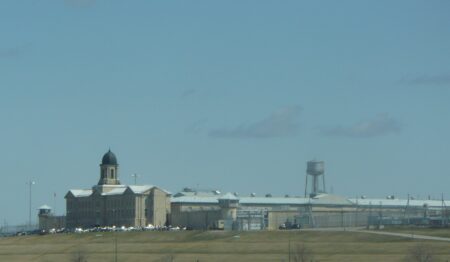
The city instead placed what the encyclopedia calls undesirable services there. Over the years those included a fertilizer plant, slaughterhouses, Rockhead Prison, human waste disposal pits and an infectious diseases hospital. In the 1950s, council put an open-pit dump 350 metres from Africville’s western edge after an alderman called the same dump “a health menace” that should not go in Fairview. The encyclopedia says council minutes record no concern for the health of Africville residents.
When relocation came up at a public meeting in Africville in 1962, 100 residents voted strongly against it and asked to improve the community they had. Homeowner Joe Skinner told the CBC at the time what the land meant: “When you are in this country and you own a piece of property, you’re not a second-class citizen.”
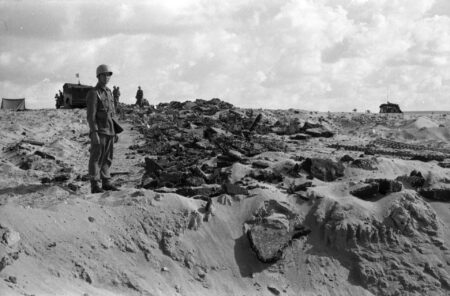
Council voted that year to remove what it called “blighted housing and dilapidated structures.” The city bought the first property in July 1964 and demolished the church at night in 1967. The last resident, Aaron “Pa” Carvery, left on Jan. 2, 1970, the municipality says.
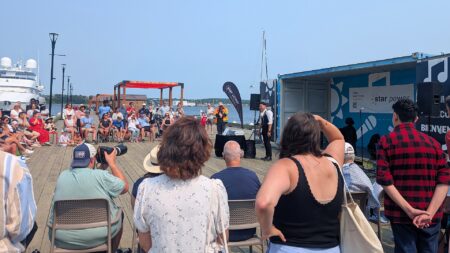
Much of the place can still be heard. The municipality hosts Walking Africville, an audio tour of the community in the 1950s and 1960s narrated by former residents, on its Africville page. Descendants held their 43rd annual reunion on the site in July, CTV News reported.
If you find reporting like this useful, consider supporting Canada News Media, an independent Canadian newsroom with no corporate parent.
Follow Canada News Media
Get the day's top Canadian stories and our two daily 60-second news videos wherever you scroll.
X Threads Facebook Instagram LinkedIn TikTok YouTube Pinterest Reddit Substack Flipboard Newsletter RSS