

Health Canada inspectors cited nine licensed cannabis producers for providing false or misleading statements in the year ending March 31, 2026, up from one the year before, according to an analysis of the department’s published inspection records by Canada News Media.
Over the same period, inspectors ordered stop-sales at four producers that had used unauthorized pest control products, compared with two in the previous year, and issued five warning letters, up from one, the records show.
The findings come from 1,351 inspections Health Canada listed for April 2024 to March 2026. Most licence holders passed: inspectors rated 28 of 672 inspections non-compliant in 2025-26, or 4.2 per cent, down from 37 of 679, or 5.4 per cent, in 2024-25. Most inspections, compliant or not, ended with the department requiring corrective actions.
The more serious measures rose. Inspectors started stop-sales, which stop a licence holder from selling affected cannabis, after 17 inspections in 2025-26, up from 14, and halted sample distribution at four sites, up from one.
Eight of the nine producers cited for false or misleading statements in 2025-26 were in Ontario: Strains Limited, Southern Stars Inc., Novoman Medicals Corporation, Muskoka Grown Limited, Brantford Micro-Grow Inc., Lune Rise Farms Inc., Purileaf Brands Corporation and an individual licence holder. The ninth was Sirona Pharma Inc. in Alberta, where the record shows Health Canada also started a seizure, detention and destruction. The inspection of Southern Stars also recorded obstructing an inspector. In the previous year, the only such citation was at Vodis Innovative Pharmaceuticals Inc. in British Columbia, which was also cited for obstructing an inspector.
Unauthorized pesticides turned up at six producers across the two years. The records list stop-sales over unauthorized pest control products at Golden Horseshoe Cannabis Company in Ontario in August 2024, on certain lots of dried cannabis, and at KRFT in Newfoundland and Labrador in July 2024, an inspection that was otherwise rated compliant. In 2025-26 they list LOCK Cannabis Co. in Saskatchewan, where two stop-sales were started in May 2025, and Abide Inc., TADU Inc. and 5012392 Ontario Inc., all in Ontario. TADU was also issued a warning letter and a stop-sale over the analytical testing of its cannabis.
The records do not name the pesticides or say whether any affected product reached stores. Health Canada lists the measures it started at each inspection, not later outcomes, so the data do not show whether problems were since corrected or whether any recalls followed.
Ontario accounted for 18 of the 28 non-compliant inspections in 2025-26, or 64 per cent, though it had 251 of the 672 inspections, about 37 per cent. British Columbia had five non-compliant ratings, Saskatchewan and Alberta two each and Quebec one.
Inspectors also took far fewer product samples. Sampling was recorded at seven inspections in 2025-26, compared with 55 the year before. The records do not explain the drop.
The inspections come as producers hold a record amount of unsold cannabis. A separate Canada News Media analysis found Canada’s unsold cannabis stockpile hit a record 1,925 tonnes at the end of 2025. We also reported that only 944 pot pardons have been granted.
How we checked: We downloaded Health Canada’s four Cannabis Inspection Data files covering April 2024 to March 2026 from the federal open data portal on Nov. 25, 2026, and combined them into one list of inspections. We removed one exact duplicate row and blank rows, grouped inspections by fiscal year using the file in which they appear, and counted inspection ratings, sampling and the measures Health Canada recorded in each entry, searching the measure text for stop-sales, stop sample distribution, warning letters, unauthorized pest control products and false or misleading statements. Company names and findings are as Health Canada recorded them. We did not name the individual licence holder. All counts and percentages are our calculations.
Sources: Health Canada, Cannabis Inspection Data (April 2024 to September 2024, October 2024 to March 2025, April 2025 to September 2025, October 2025 to March 2026), federal open data portal.
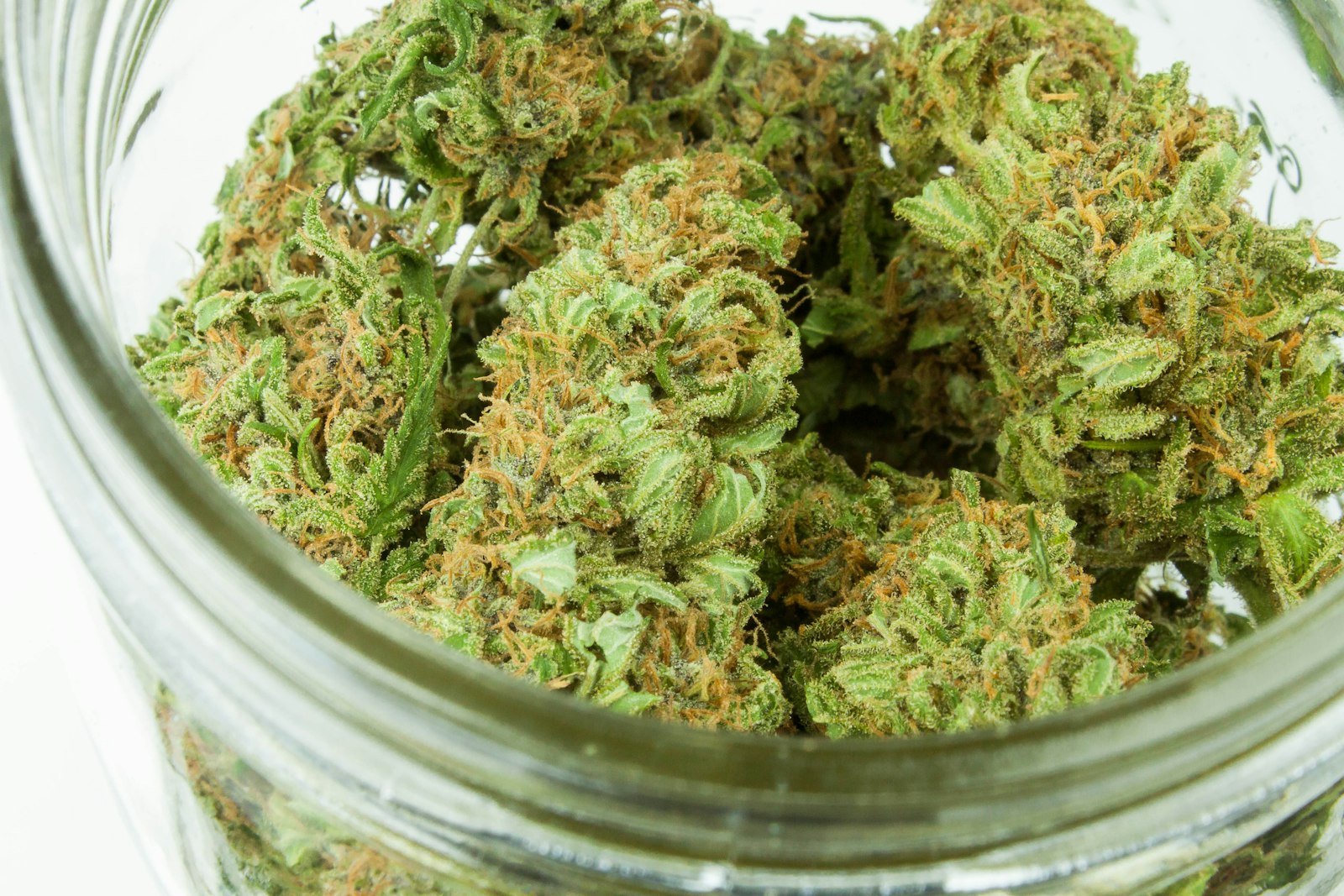
Photo: A jar of dried cannabis flower. File photo; not a product of any licence holder named in this story. Jeff W / Unsplash
If you find reporting like this useful, consider supporting Canada News Media, an independently owned Canadian newsroom.
Follow Canada News Media
Get the day's top Canadian stories and our two daily 60-second news videos wherever you scroll.
X Threads Facebook Instagram LinkedIn TikTok YouTube Pinterest Reddit Substack Flipboard Newsletter RSS