

Health Canada has issued 12 recalls and warnings in 2026 for smoke and carbon monoxide alarms sold in Canada without a Canadian certification mark, after posting no alarm recall at all in the five years before, according to a Canada News Media review of the federal Recalls and Safety Alerts database.
Eleven of the notices, posted between Feb. 23 and July 3, involve smoke alarms or combined smoke and carbon monoxide alarms. For each, Health Canada said the product lacked a Canadian certification mark and that “it is unknown if the alarm operates in the presence of smoke,” posing a potential fire hazard.
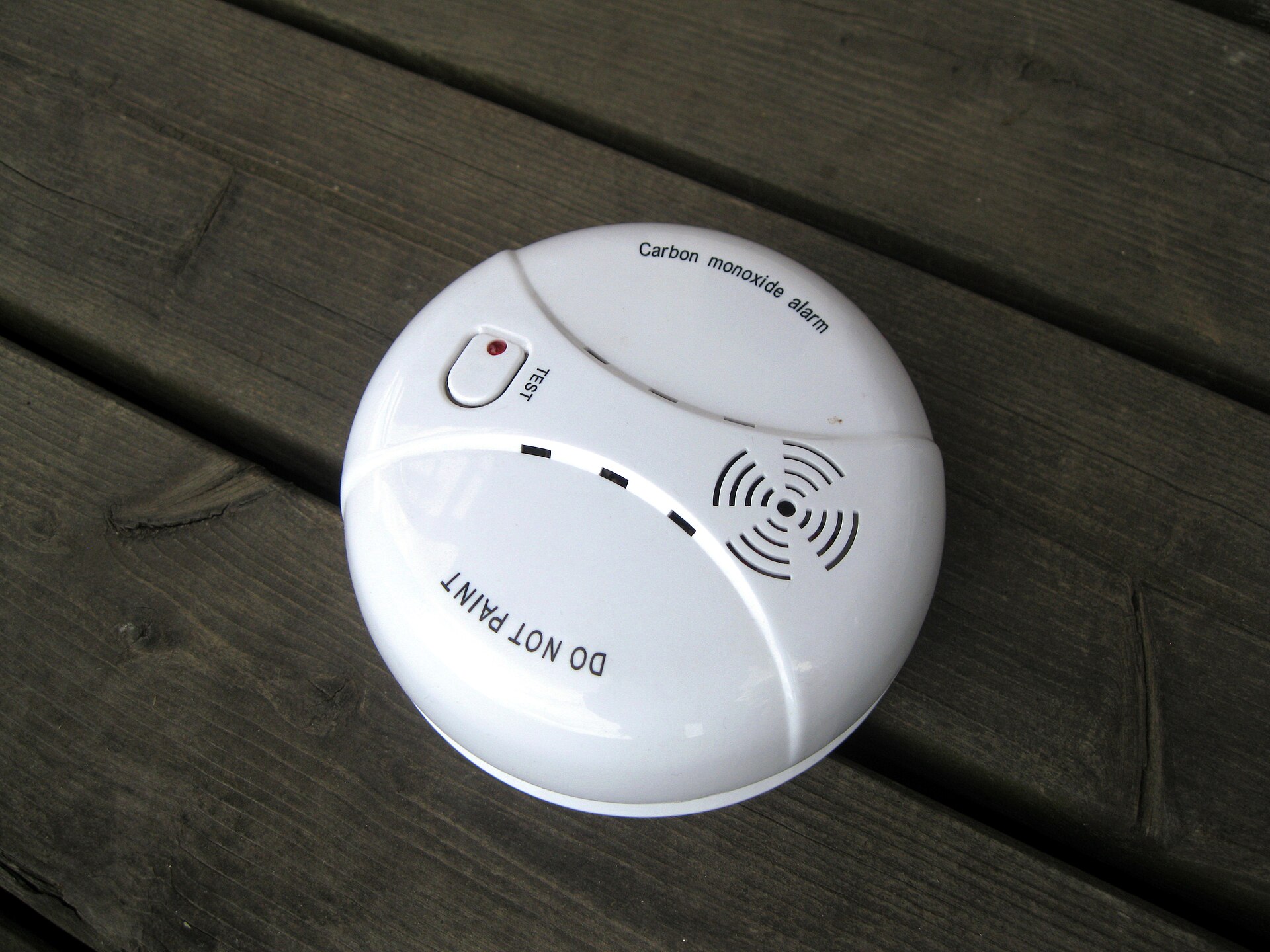
The 12th, posted Nov. 5, recalled the Leakbee carbon monoxide detector, which Health Canada said may inaccurately detect the gas. The company reported one complaint of an inaccurate reading and no injuries, as we reported at the time.
Nine of the 12 notices are recalls, in which a seller agreed to pull a product. In those nine, the companies reported selling about 3,588 units in Canada. The largest were the Leakbee detector at 856 units, the Ariza Independent Smoke Alarm at 679, a combined smoke, combustible gas and carbon monoxide alarm, model HD18-CGS, at 665, and the Modofo Tool 5 in 1 Smoke and Carbon Monoxide Detector at about 500.
The other three are public warnings that name products “previously available” online. Health Canada warned about PGST and GauTone smoke alarms sold on AliExpress, and about Gedsffati and IQYEF combined alarms sold on Amazon.ca, and told owners to stop using them and dispose of them as hazardous waste. The warnings give no sales figures.
Every recall that lists a place of origin says the alarm was made in China, and most list a China-based online merchant as the seller. Most of the units were sold between late 2024 and spring 2026. One, the PureVolt photoelectric smoke detector, had been sold since January 2021, according to its notice.
Four of the notices say the products came to light through Health Canada’s own sampling and evaluation program. Federal Residential Detectors Regulations require smoke alarms and smoke detectors sold in Canada to meet Canadian standards.
None of the notices reports a fire, poisoning or injury linked to the alarms. Health Canada’s warning in each is that an owner might not be alerted to a fire.
The 2026 cluster stands out in the database’s history. Before this year, the last smoke or carbon monoxide alarm recall was posted Feb. 19, 2020, for an uncertified combination detector sold through a third-party seller on Walmart.ca, about six units. A title search of the full database found about 10 alarm recalls and advisories from 2009 through 2021, many of them for major brands, compared with 12 in the first 11 months of 2026.
The notices also revived a label the department had not used in a decade. All 12 are filed under “unauthorized products,” a category the database last used in 2016, mostly for goods with counterfeit certification marks.
The rise is specific to alarms. Health Canada posted 240 consumer product recalls and warnings from Jan. 1 to Nov. 23 this year, compared with 234 in the same period of 2025 and 244 in 2024.
Health Canada advises buyers to look for a recognized Canadian certification mark on any smoke or carbon monoxide alarm, and recommends a carbon monoxide alarm near every sleeping area. Heating season is when the risk peaks: in Halifax, nine in 10 heating-equipment fires happen between November and April, our review of city fire records found.
How we checked: We downloaded Health Canada’s Recalls and Safety Alerts open data file, current to Nov. 23, 2026, and opened 991 consumer product notices from 2023 onward to record each one’s original published date, because the open data file lists only the date a notice was last updated. We then identified every notice for smoke alarms, smoke detectors and carbon monoxide alarms and read each 2026 notice in full for the hazard, units sold, sale period and place of origin. Earlier alarm notices were found by searching titles across the whole file, so a notice with an unusual title could be missed. Unit counts are the companies’ figures as reported to Health Canada. No company is accused of anything beyond what Health Canada’s notices state.
Sources: Health Canada, Recalls and Safety Alerts database and open data; individual notices for the Leakbee, PGST and GauTone and Gedsffati products.
If you find reporting like this useful, consider supporting Canada News Media, an independently owned Canadian newsroom.
Follow Canada News Media
Get the day's top Canadian stories and our two daily 60-second news videos wherever you scroll.
X Threads Facebook Instagram LinkedIn TikTok YouTube Pinterest Reddit Substack Flipboard Newsletter RSS