

Health Canada has recalled the Leakbee Carbon Monoxide Detector, model YC302, because it has no Canadian certification mark and may not detect carbon monoxide accurately, which could put people at risk of poisoning. The department posted the recall on Nov. 5, 2026.
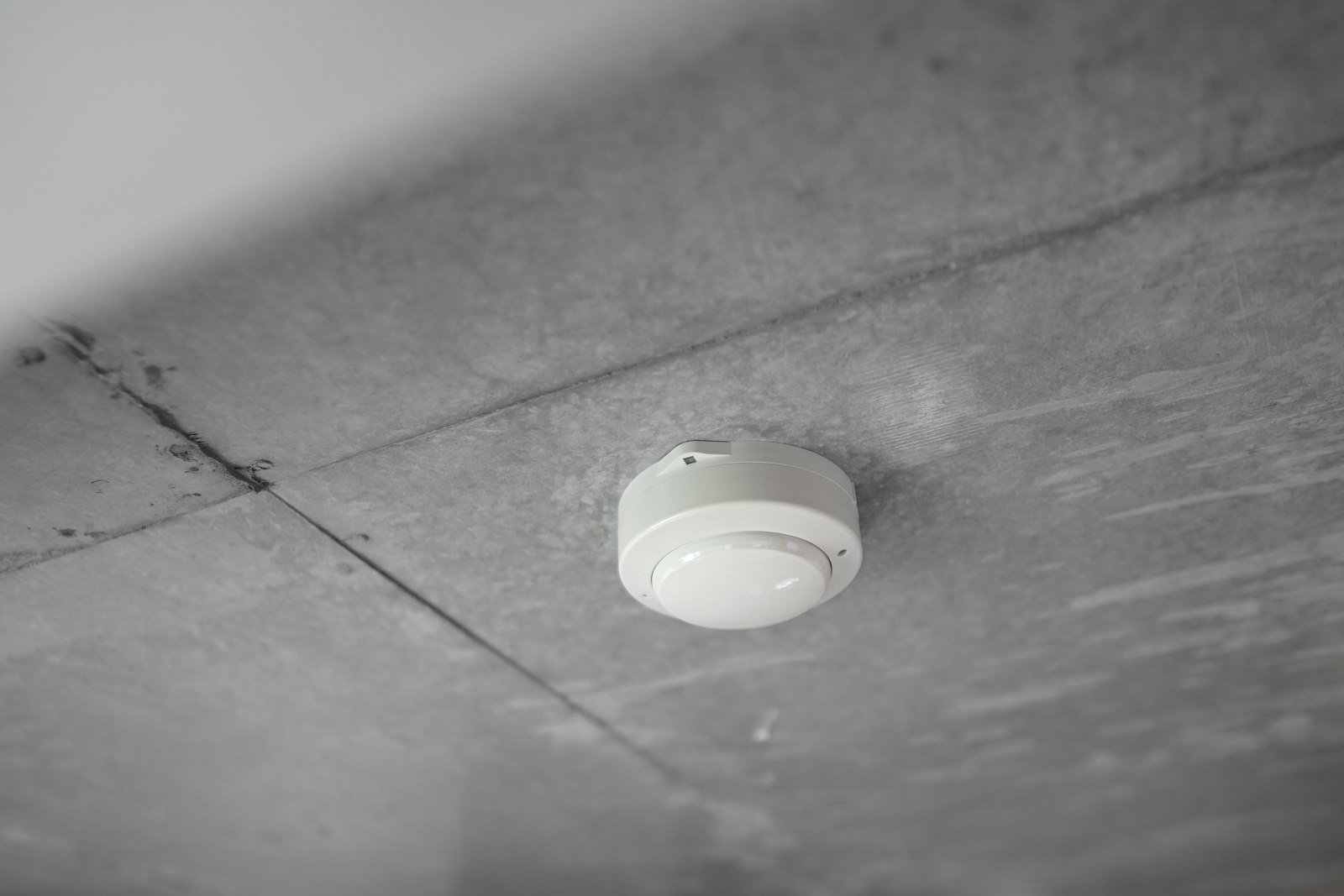
The company reported that 856 units were sold in Canada between January 2026 and May 2026. Health Canada said the detector has a white plastic housing, and the model number YC302 is printed on a sticker on the back of the unit. The product was manufactured in China.
As of Oct. 16, 2026, the company had received one report of an inaccurate carbon monoxide reading in Canada. There were no reports of injury. The recall notice does not say where the detectors were sold or how much they cost.
Health Canada said people who own the detector should stop using it immediately and contact the importer, Yizhoukeji, for a refund. The recall page lists [email protected] as the contact email. The department also noted that the Canada Consumer Product Safety Act prohibits recalled products from being redistributed, sold or even given away in Canada.
The recall is a reminder to check the alarms already installed in your home as the heating season gets going. A detector that looks fine but does not read carbon monoxide correctly can give a false sense of safety.
Carbon monoxide is a colourless, odourless gas produced when fuel does not burn completely. The Public Health Agency of Canada lists fuel-burning heating equipment, gas-powered tools, portable generators, barbecues and idling vehicles among the common sources. Mild to moderate exposure can cause headache, shortness of breath, fatigue, dizziness and nausea. Severe exposure can cause vomiting, loss of consciousness, coma and death. The agency notes that the early signs resemble the flu or food poisoning, except there is no fever.
Data compiled by the agency shows the problem is seasonal. Of 767 unintentional carbon monoxide-related events recorded by the Canadian Hospitals Injury Reporting and Prevention Program between April 1, 2011, and June 15, 2023, 63.6 per cent happened in the fall and winter. Children aged four and under made up 24.3 per cent of the cases. The program collects data from a network of hospitals, and the agency cautions that it under-represents some groups, including rural and Indigenous people and fatal cases.
Health Canada’s guidance on preventing exposure says homes should have smoke alarms and at least one carbon monoxide alarm with battery backup. It says the most important place for a carbon monoxide alarm is in a hallway outside sleeping areas. It also notes that smoke alarms alert you to fires, not carbon monoxide, so one does not replace the other.
The department says shoppers should look for products certified for use in Canada. The certification mark has to meet Canadian safety standards and appear on both the alarm and its packaging. Marks Health Canada points to include those from CSA Group, Intertek (ETL) and UL, and a CSA mark referencing the standard CSA 6.19, which covers carbon monoxide alarms. When buying online, Health Canada advises purchasing only from sellers that can confirm the product is certified to Canadian safety standards and carries a Canadian certification mark.
That is the gap in the Leakbee case. According to Health Canada, the YC302 does not carry a Canadian certification mark. If you own an alarm and are unsure, check the back of the unit and the box for a mark from one of the certification bodies above, and compare the model number with the one in the recall notice.
Health Canada also asks people to test alarms regularly and to replace batteries and the alarm itself as the manufacturer recommends. It suggests writing the installation date and the replacement date on the device or battery as a reminder, and checking the expiry date on each alarm. It says fuel-burning appliances such as furnaces should be inspected by a professional at least once a year or as the manufacturer directs, and that chimneys should be cleaned every year.
Some habits also lower the risk at home, according to the department. It says never to run fuel-powered outdoor equipment inside a home, vehicle, garage, shed, camper or tent, and never to idle a vehicle in a garage, even with the garage door open. It says generators should be kept at least six metres, or 20 feet, from buildings. Kerosene, propane or oil space heaters and lamps should not be used in enclosed areas unless they are designed for indoor use.
If an alarm sounds, Health Canada says to leave the home immediately and move to fresh air, and not to try to find the source of the carbon monoxide. Once outside, call 9-1-1, the local fire department or emergency services. Return home only after a professional has fixed the problem.
Anyone who has had a problem with a recalled product can report it to Health Canada through its Consumer Product Incident Report Form. The full notice is listed under identification number RA-82880 on the federal recalls and safety alerts site.
Sources: Health Canada recall notice, Leakbee Carbon Monoxide Detector (RA-82880); Health Canada, Carbon monoxide: Preventing exposure; Public Health Agency of Canada, Poisonings and injuries related to carbon monoxide exposure.
This article is based on official guidance from Health Canada and the Public Health Agency of Canada and is provided for general public information. It’s not a substitute for medical advice, if you have questions about how this applies to you, talk to your doctor or pharmacist.
If you find reporting like this useful, consider supporting Canada News Media, an independent Canadian newsroom with no corporate parent.
Follow Canada News Media
Get the day's top Canadian stories and our two daily 60-second news videos wherever you scroll.
X Threads Facebook Instagram LinkedIn TikTok YouTube Pinterest Reddit Substack Flipboard Newsletter RSS