
Eddie Carvery, who pitched a tent on the razed site of Africville in 1970 and kept up his protest for about 55 years, died on Feb. 14 at age 79, and his family says the fight he started will continue even though his trailer has been taken away.
Carvery was born in Africville and was 24 when he went back to the site, The Canadian Encyclopedia says. He demanded a public inquiry and individual compensation for residents. Global News has described it as the longest recorded protest in the country, while the encyclopedia calls it one of the longest civil rights protests in Canada’s history.
He outlasted the 2010 settlement that was supposed to close the file. The Halifax Regional Municipality apologized that year and agreed to land and $3 million for a replica church and endowment, but the deal held no individual compensation, and CBC News reported that Carvery rejected it and refused to leave.
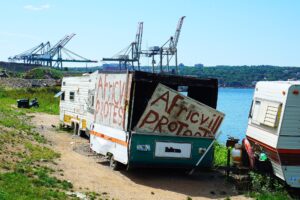
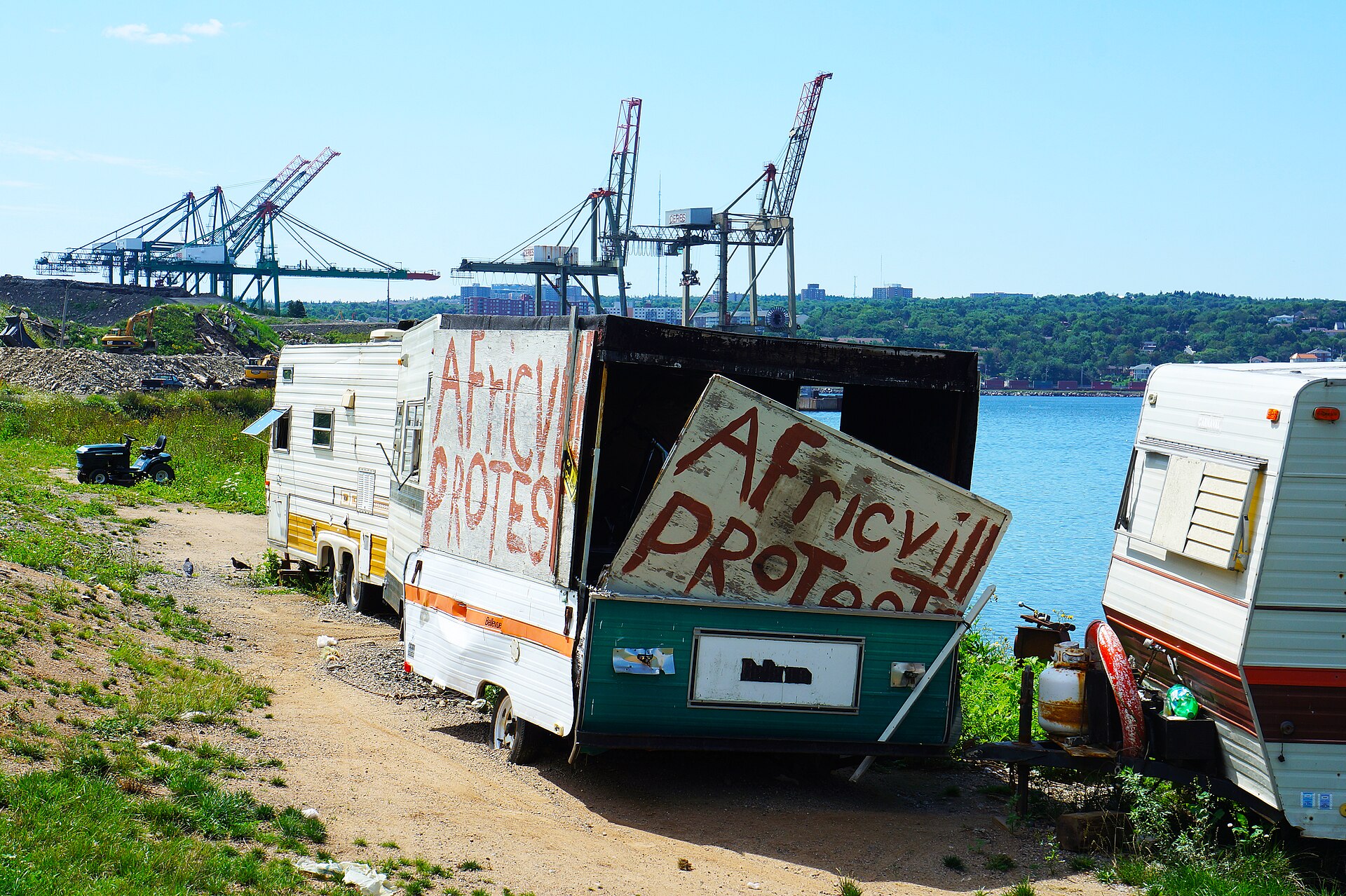
The protest changed shape over the decades. His camp was dismantled in November 2019, the encyclopedia says, and he later kept a presence at the site in a trailer, despite what Global News described as attempts by municipal officials over the years to evict and relocate him.
The last dispute was not with the city. In July 2025, the Africville Heritage Trust, the body created through the settlement and the owner of the land under the trailer, told him to remove it by July 13. Carrie Hill, the trust’s chair, wrote that the trust had to protect visitors and could be liable “if something were to happen,” CBC reported.
Carvery, by then in failing health and keeping an apartment as well, did not move. “I wanna give it up. I wanna sleep nice, like normal people. I’m tired, but until they find someone else to champion our cause to fight for Africville, I’ve got no choice,” he told CBC. The Africville Genealogy Society backed him and called for mediation between the trust and descendants, Global News reported.
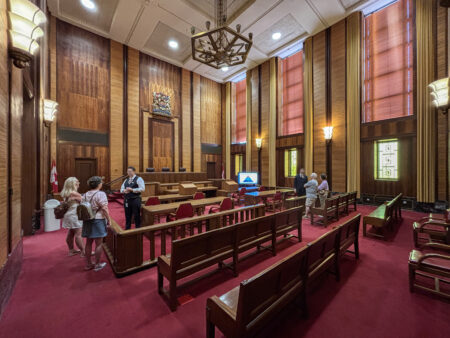
It was not his first argument with the trust. At a 2024 council hearing on selling two surplus lots to it for $1, he told councillors that the city, CN, Halifax Harbour Bridges and the Port of Halifax had all received a piece of Africville while residents and descendants got nothing. “Please honour the fact that I’m an Africvillian. I never left,” he said, the Halifax Examiner reported. Council approved the sale.
He died in February surrounded by family, his grandson told Global News. “Even through it all, he wanted to be nowhere but here in Africville, for his people, to continue his fight,” Eddie Carvery III said. More than 100 people attended his funeral on March 13 at New Horizons Baptist Church in Halifax.
After his death, the municipality said it was not involved in any steps to remove the trailer from the trust’s property. The museum the trust operates said the trailer was deteriorating, posed safety concerns and could not stay, CBC reported. Eddie Carvery III said the family wanted to keep a presence on the site. “What he wanted most before anything else was a public inquiry,” he said.
The trailer was hauled away over the Easter weekend in April. “On Easter weekend, the holiest time of the year, they decide to move my grandfather’s trailer knowing his family would be at home celebrating Easter together,” his grandson told Global News. The family said it received no correspondence from the trust about the decision.
Tensions flared on the following Monday, and police were called and spoke to both sides, Global News reported. “We would like his property back,” said his daughter, Denise Grouse. Juanita Peters, who runs the museum, told Global News the trailer was removed for safety reasons and was at an impound lot.
Peters has said Carvery’s protest is part of the Africville story and that she and Carvery wrote the words together for a monument bearing his image, which also honours his mother. In February, she told CBC the unveiling date had not been set. Canada News Media found no public report that the monument has been unveiled or that the trailer has been returned, and asked the museum on Nov. 4 for the current status of both.
The demands Carvery made in 1970 are still unmet. There has been no public inquiry, and a lawsuit seeking individual compensation, dating to 1996, was still before the Nova Scotia Supreme Court in the most recent report Canada News Media could find, from February 2025.
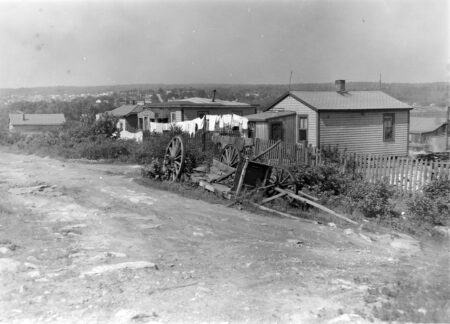
The story of the community he refused to leave is told in this account of Africville before the bulldozers.
If you find reporting like this useful, consider supporting Canada News Media, an independent Canadian newsroom with no corporate parent.
Follow Canada News Media
Get the day's top Canadian stories and our two daily 60-second news videos wherever you scroll.
X Threads Facebook Instagram LinkedIn TikTok YouTube Pinterest Reddit Substack Flipboard Newsletter RSS