


The first deliveries of a generic HIV prevention shot, a twice-a-year version of lenacapavir, arrived in Zambia on Wednesday, Nov. 25, with a shipment to Uganda expected in the coming days, the Global Fund to Fight AIDS, Tuberculosis and Malaria said.
The generic is expected to cost US$40 per person a year, The Associated Press reported. After clearing checks in Zambia, the medication is expected to be used within three weeks, AP said.
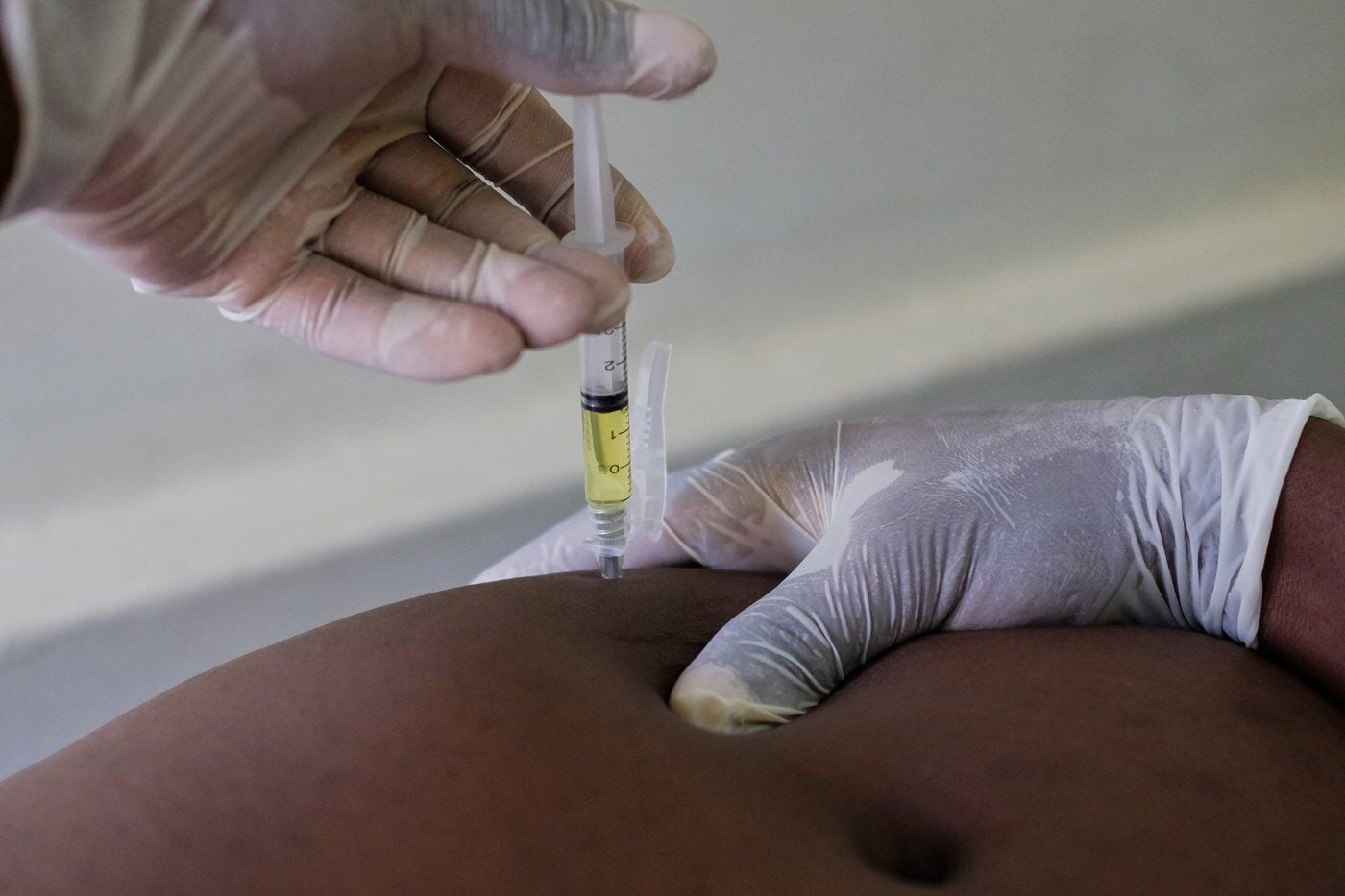
Lenacapavir is an injectable form of pre-exposure prophylaxis, or PrEP, that is nearly 100 per cent effective at preventing HIV infection, the Geneva-based fund said in its announcement. It offers an alternative to daily prevention pills.
In a 2024 trial involving more than 5,000 adolescent girls and young women in Uganda and South Africa, none of those given the injection contracted HIV, BBC News reported.
As of November, more than 189,000 people in 10 countries had received a first dose of lenacapavir, according to the Global Fund. The fund and the U.S. government aim to reach at least three million people with the drug by the end of 2028. The number reached so far is equal to about six per cent of that goal.
The fund expects 24 countries to have received lenacapavir by the end of this year. It plans to deliver four times as much to countries in 2027 as in 2026, with generics making up a central part of the increase. It said another shipment of the generic will reach Zimbabwe in early 2027, and substantial deliveries to many more countries are expected in the first three months of that year.
“The arrival of generic lenacapavir is a major breakthrough in our efforts to prevent new HIV infections and accelerate progress toward ending AIDS,” Peter Sands, the fund’s executive director, said in the announcement.
Gilead Sciences, which developed the drug, has signed royalty-free licences with six generic manufacturers covering a set list of countries in sub-Saharan Africa, Asia and Latin America, AP reported. The generic recently given tentative approval by the U.S. Food and Drug Administration was developed by India’s Dr. Reddy’s Laboratories under an agreement brokered by the global health agency Unitaid and its partners. It cannot be sold in the United States while Gilead’s brand-name version is under patent.
Doctors Without Borders said the shipment does not solve the access problem. In a statement, the medical charity said millions still cannot get the drug, and it accused Gilead of blocking access in some countries and supplying it too slowly elsewhere. It said 1.2 million people acquired HIV last year.
Canada is one of the Global Fund’s government donors. In November 2025, Ottawa pledged $1.02 billion to the fund over three years, from 2026 to 2028, and said it had provided more than $5.3 billion since 2002. Wednesday’s announcement does not mention Canada or say that Canadian money paid for the generic shipments. It names the Gates Foundation, Unitaid and the Children’s Investment Fund Foundation among partners that supported the work leading to the first deliveries or countries’ preparations.
The rollout comes as cuts to U.S. foreign aid raise concern about HIV programs in Africa, BBC News reported.
If you find reporting like this useful, consider supporting Canada News Media, an independently owned Canadian newsroom.
Sources: Global Fund; The Associated Press; BBC News; Doctors Without Borders; Global Affairs Canada.
Follow Canada News Media
Get the day's top Canadian stories and our two daily 60-second news videos wherever you scroll.
X Threads Facebook Instagram LinkedIn TikTok YouTube Pinterest Reddit Substack Flipboard Newsletter RSS