

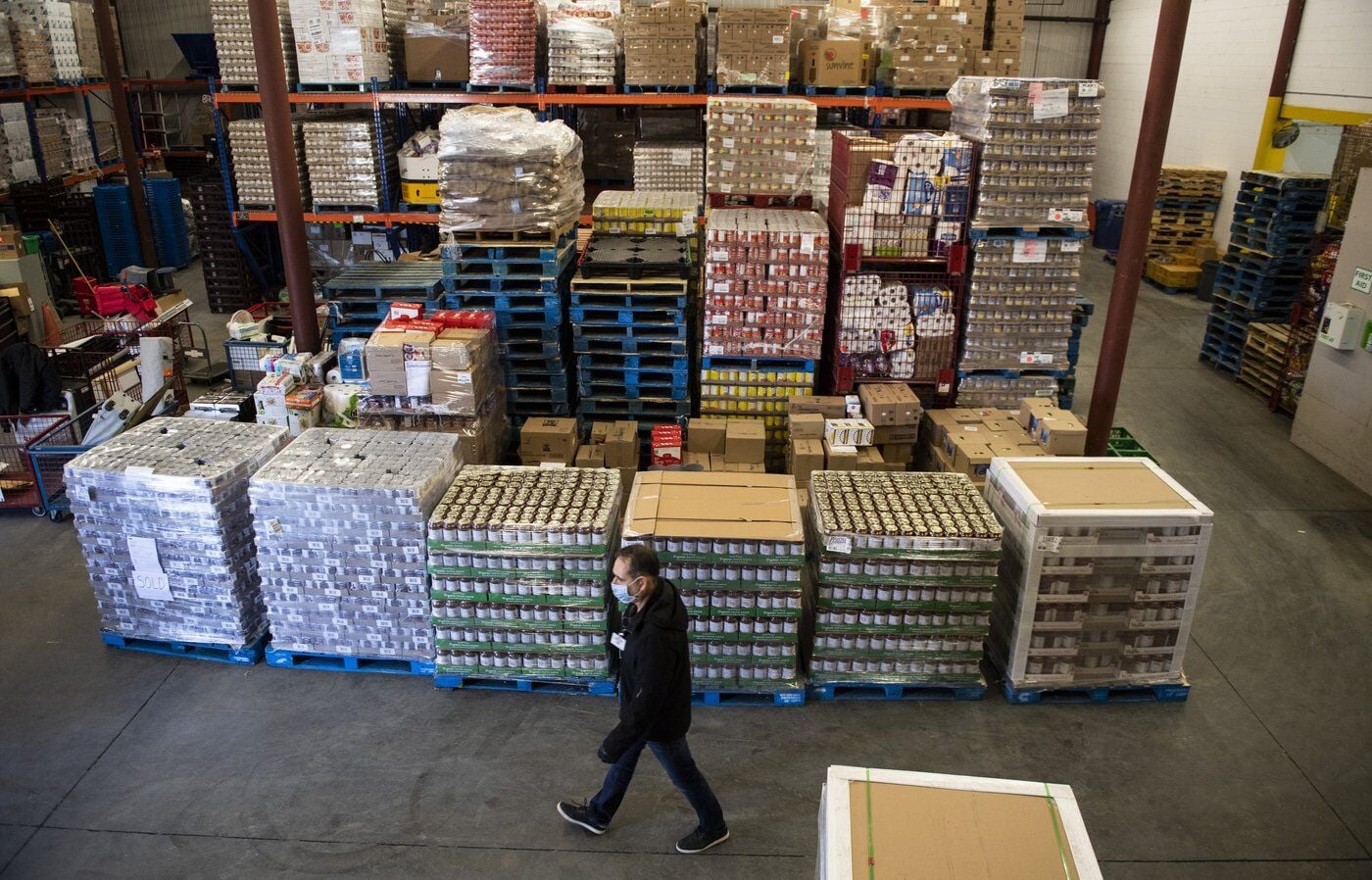
The Ottawa Food Bank network recorded 591,686 visits in 2025-26, and one in four of its members had to turn people away or close early because they did not have enough food, according to the 2026 Ottawa Hunger Report, released this week.
The visit count is 0.5 per cent higher than a year earlier. That is a small increase, but visits are up 102 per cent since 2019, when the report’s chart shows about 293,000.
The report also says the totals do not capture all of the need. Besides the 25 per cent of members that turned people away or closed early, 29 per cent had to reduce how often people could get food support because of limited resources.
“We’re really hoping to see those numbers come down compared to last year, but unfortunately they are staying pretty high,” Ottawa Food Bank chief executive officer Natalie Spooner told CBC News. CBC reported that the organization supports 67 member agencies across the city.
An estimated 20.7 per cent of Ottawa households experienced food insecurity in 2025, down from 25.5 per cent in 2024, the report says, citing Public Health Ontario. It cautions that the difference is not statistically significant and could reflect normal variation from one year to the next.
Children under 18 make up 36 per cent of visitors. Among household types recorded in the food bank’s March 2026 count, 41 per cent were single adults, 16 per cent were single-parent families and 26 per cent were two-parent families.
In Waterloo Region, the strain shows up in a different measure. The Food Bank of Waterloo Region reported on Nov. 12 a record 670,751 visits to food hamper programs between July 1, 2025, and June 30, 2026, even as the number of people getting food assistance fell eight per cent to 66,945.
More than 7,600 of the 24,984 households in the Waterloo count visited a hamper program more than eight times. By our calculation, that is more than 30 per cent of them. The two organizations count different things over their own reporting years, so their visit totals should not be ranked against each other.
Nationally, we reported that food insecurity reached 7.5 million people in 2024, up from four million in 2019. Our analysis has also found that grocery prices rose faster than overall inflation in every province over that period. Households looking for relief can read about the federal government’s proposed grocery benefit top-up.
If you find reporting like this useful, consider supporting Canada News Media, an independently owned Canadian newsroom.
Sources: Ottawa Food Bank, 2026 Ottawa Hunger Report; The Food Bank of Waterloo Region, 2026 Community Impact report release; CBC News.
Follow Canada News Media
Get the day's top Canadian stories and our two daily 60-second news videos wherever you scroll.
X Threads Facebook Instagram LinkedIn TikTok YouTube Pinterest Reddit Substack Flipboard Newsletter RSS