


The United States proposed new tariffs Wednesday on China, the European Union and 12 other economies over what it calls excess manufacturing capacity, but Canada is not among them.
U.S. Trade Representative Jamieson Greer’s office set proposed rates reaching as high as 35 per cent, for Vietnam. They are not in force. Written comments are due Jan. 5, 2027, and hearings begin Jan. 25, according to the trade office’s announcement.
Greer determined under Section 301 of the Trade Act of 1974 that the practices of 14 economies are unreasonable and burden or restrict U.S. commerce. Mexico, Canada’s other partner in the Canada-United States-Mexico Agreement (CUSMA), was part of the investigation, as was Norway. The office said it has not made a determination on either one at this time.
Canada was not one of the 16 economies investigated when the review began March 11, as we reported when word of the coming tariffs emerged Tuesday.
For China, the office proposed tariffs of up to 20 per cent, and up to 10 per cent on a separate list of goods, with some products exempt. The China rate would be net of the U.S. duty tied to forced-labour imports. The office said the proposal accounts for a 20 per cent rate in the arrangement President Donald Trump and Chinese President Xi Jinping reached in October 2025.
The proposed rate for the European Union is 15 per cent, net of regular most-favoured-nation duties and existing Section 301 tariffs. Japan, South Korea, Switzerland and Taiwan face rates of up to 15 per cent on the same basis.
Bangladesh, Cambodia, Indonesia, Malaysia and Thailand face up to 18 per cent, net of existing Section 301 tariffs. On the same basis, the ceiling is 20 per cent for Singapore and 25 per cent for India.
Some of those ceilings could come down. The office said it would consider a 10 per cent rate for Singapore if it reaches a reciprocal trade agreement or concludes other talks that answer the findings. With a qualifying agreement, it would consider 17 per cent for India and take into account a 20 per cent rate for Vietnam. All of the proposals include exemptions for certain products.
The findings name industries that also matter to Canadian producers. In China’s case they include aluminum, automotive, paper and steel, among many others. Japan’s list includes automotive and steel, while Switzerland’s includes steel and pharmaceuticals.
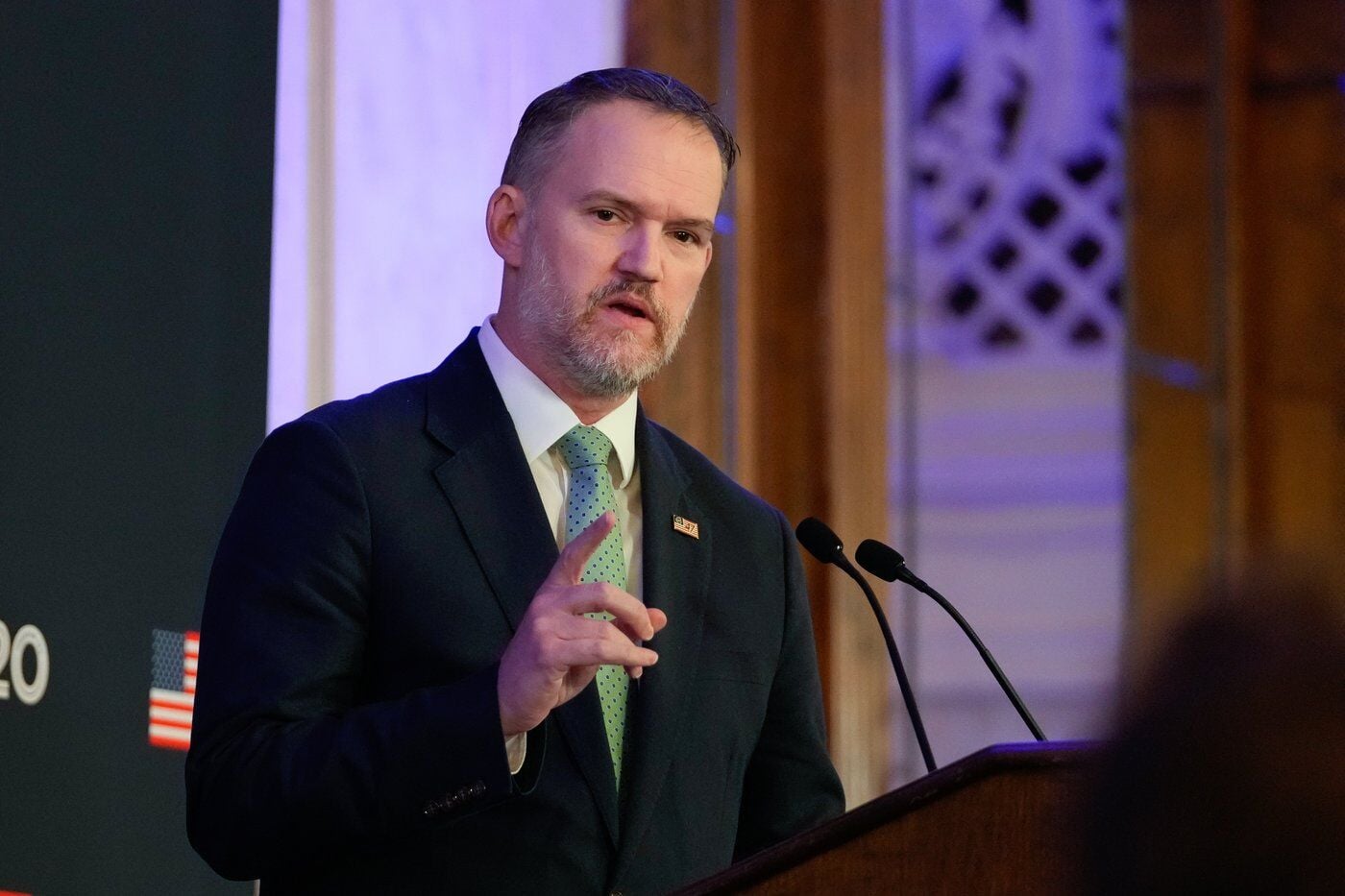
“For decades, many of our trading partners have adopted industrial strategies” that tilt the trade balance in their favour and erode American manufacturing, Greer said in the announcement, listing targeted manufacturing support, wage suppression and other practices he called market-distorting.
China rejected the premise. Foreign Ministry spokesperson Guo Jiakun said Wednesday that “the so-called overcapacity is a false narrative,” The Associated Press reported.
A senior U.S. administration official, speaking on condition of anonymity, told reporters the new tariffs would not be stacked on separate duties on automobiles, steel, aluminum and other products imposed under Section 232, a national security trade law, AP reported.
AP also reported that the new duties are intended in part to replace revenue lost after the U.S. Supreme Court ruled in February against broad tariffs Trump had imposed under emergency powers.
The trade office also proposed changes in a separate Brazil case, including an added 10 per cent tariff on finished Brazilian aircraft and an additional tariff on Brazilian sugar. Comments in that case are due Dec. 30, with a hearing Jan. 14.
Being left out of Wednesday’s action does not free Canadian goods from other U.S. tariffs. Our guide sets out the Canada tariffs in effect, and Greer signalled in October that a deal may not bring tariffs to zero.
If you find reporting like this useful, consider supporting Canada News Media, an independently owned Canadian newsroom.
Sources: Office of the U.S. Trade Representative, Nov. 25, 2026; The Associated Press.
Follow Canada News Media
Get the day's top Canadian stories and our two daily 60-second news videos wherever you scroll.
X Threads Facebook Instagram LinkedIn TikTok YouTube Pinterest Reddit Substack Flipboard Newsletter RSS