

Halifax spent five years dismantling Africville, a Black community of about 400 people on the Bedford Basin, and did not formally apologize until Feb. 24, 2010, according to the Canadian Encyclopedia and CBC News.
Africville was founded in the 1830s by formerly enslaved people and other Black settlers, CBC News has reported. By the 1960s it was home to roughly 400 residents, the Canadian Encyclopedia says.
Its residents paid municipal taxes but did not get paved roads, running water or sewers, the Canadian Encyclopedia reports. Residents petitioned the city for those services through the 1930s, and the requests were largely denied, it says.
Instead, the neighbourhood absorbed what the rest of the city did not want nearby. A railway extension cut through the community in 1854 and took several homes, with further expropriations in 1912 and the 1940s, the encyclopedia says. An open-pit dump was built in the 1950s about 350 metres from the community’s western edge.
The city began expropriating land in 1964. Over the next five years the homes were bulldozed, and the last property was demolished in 1969, according to the Canadian Encyclopedia. Residents were relocated, but the promised outcomes did not materialize. Compensation often covered only a down payment or a short period of rent, the encyclopedia says, rather than the "home for a home" exchange some families expected. It also reports that the city brought in dump trucks to move some residents’ belongings after movers organized by the city cancelled.
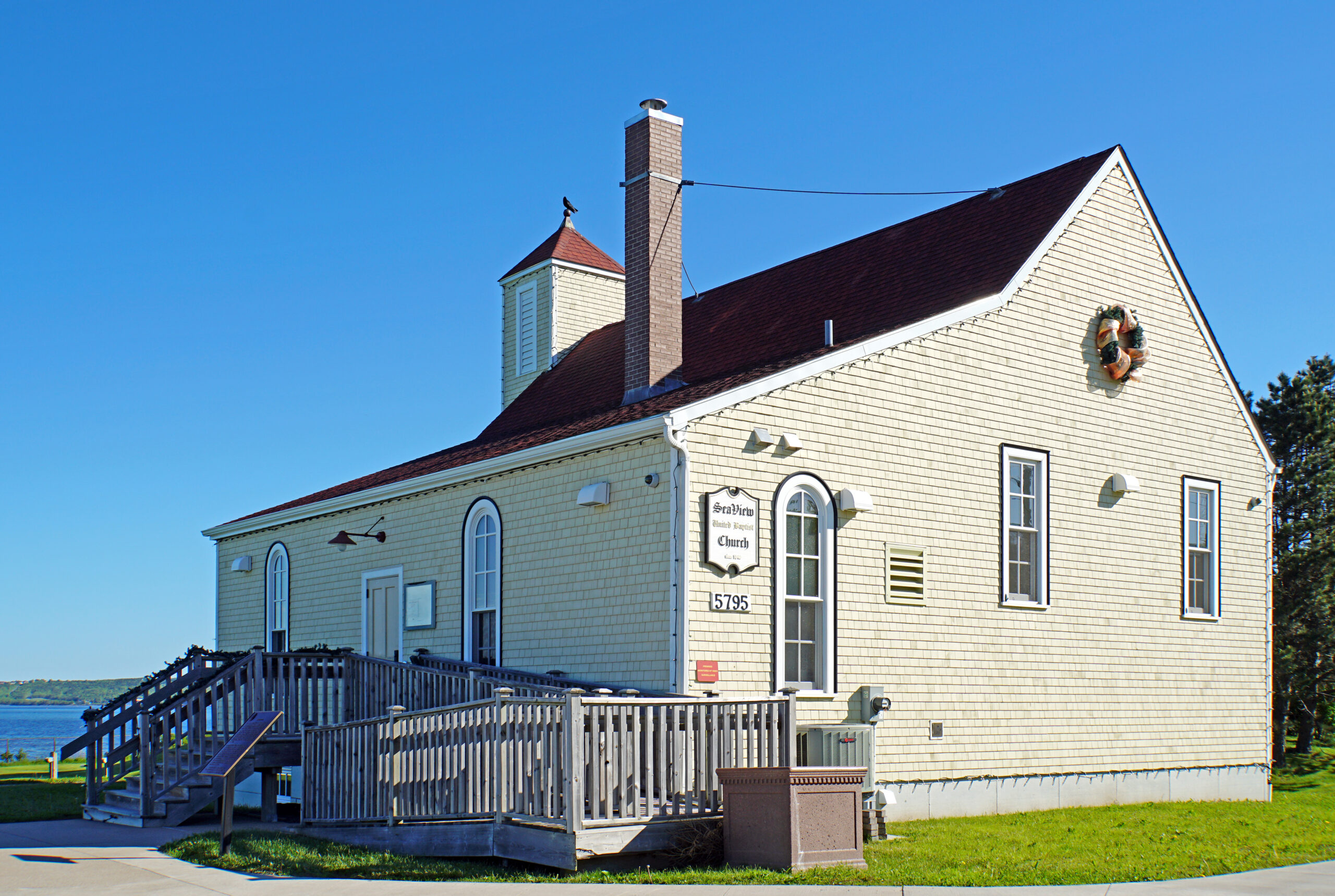
The Seaview African United Baptist Church, the centre of community life, was demolished in the spring of 1967, at night. That detail was later part of the city’s own apology.
"We apologize for the heartache experienced at the loss of the Seaview United Baptist Church, the spiritual heart of the community, removed in the middle of the night," Halifax Mayor Peter Kelly said on Feb. 24, 2010, in wording reproduced in a summary of the apology on Wikipedia, which cites Halifax municipal records and CBC News reporting.
Halifax regional council had voted the day before to ratify the agreement. CBC News reported it included a $3-million payment and about one hectare of municipal land, and that no money went directly to individuals or families. Some other published summaries give a higher total. This report uses the CBC figure.
The federal government separately announced $250,000 for the Africville Heritage Trust to design a museum and build a replica of the church, CBC News reported. The replica opened in 2012, according to the Canadian Encyclopedia.
Brenda Steed-Ross, a founding member of the Africville Genealogy Society who was evicted at 18, told CBC News at the time: "There’s a light at the end of the tunnel. We’re moving forward, not backward."
In December 2024, the federal government announced that the Africville Museum and neighbourhood had been designated by UNESCO under its Routes of Enslaved Peoples program, the first site in Canada recognized as a site of history and memory linked to slavery and the slave trade, Canadian Heritage said.
Part of the former site is now parkland and the rest is taken up by the approaches to the A. Murray MacKay Bridge, CBC News reported in 2010. The sequence, from denied services to demolition to apology to heritage designation, is documented in municipal and federal records and in the reporting cited here.
If you find reporting like this useful, consider supporting Canada News Media, an independent Canadian newsroom with no corporate parent.
Sources: Canadian Encyclopedia, "Africville"; CBC News, "Halifax council ratifies Africville apology"; Canadian Heritage news release on the UNESCO designation (December 2024); Wikipedia, "Africville Apology," for the wording of the mayor’s statement.
Follow Canada News Media
Get the day's top Canadian stories and our two daily 60-second news videos wherever you scroll.
X Threads Facebook Instagram LinkedIn TikTok YouTube Pinterest Reddit Substack Flipboard Newsletter RSS