


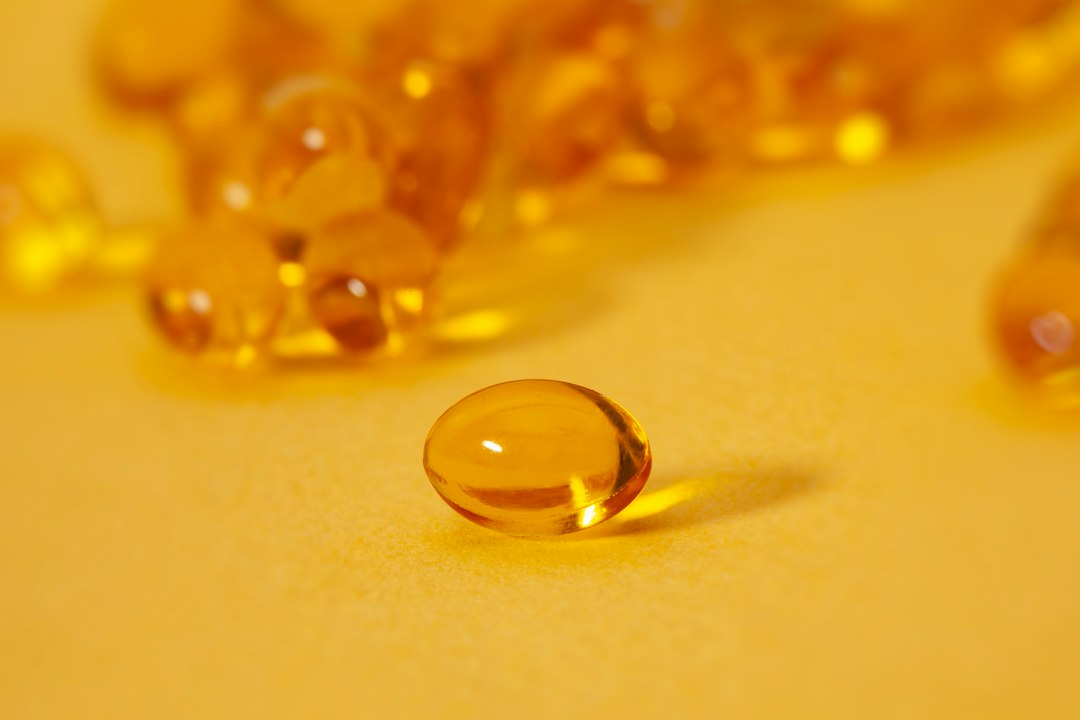
Health Canada recommends that people in Canada get vitamin D every day from food or a supplement, and for adults 51 and older the department specifically advises a daily supplement of 400 international units (IU), or 10 micrograms (µg). As the days get shorter and many Canadians spend more time indoors, the department’s guidance explains why the sun alone is not a dependable source for most of the country.
Vitamin D is unusual among vitamins. Health Canada says the body can make it when skin is exposed to sunlight. But the department also lists many things that cut that production: smog, the season, time of day, cloud cover, sunscreen use, limited time outdoors and the amount of skin exposed. Age matters too, because Health Canada says people make less vitamin D as they get older. It also notes that it takes longer for people with more melanin in their skin to make vitamin D from the sun’s ultraviolet rays.
“These factors can apply to many people living in Canada,” Health Canada says on its vitamin D page. “This is why we recommend vitamin D from foods or a supplement every day.”
The advice depends on age. For people aged two to 50, Health Canada says to eat foods that contain vitamin D every day or take a daily supplement of 400 IU (10 µg). For people 51 and older, it says to take a daily supplement of 400 IU (10 µg). Those older adults can still keep eating foods that contain vitamin D as part of healthy eating, the department says.
The department adds a simple test for everyone else: if you don’t eat foods that contain vitamin D on a daily basis, you should take a supplement containing 400 IU (10 µg).
Few foods have much vitamin D on their own. Health Canada says it occurs naturally in very few foods and that most dietary vitamin D comes from fortified foods, meaning vitamin D has been added. The department’s examples include egg yolks, soft margarine, fatty fish such as salmon, arctic char and rainbow trout, unsweetened lower-fat milk and unsweetened fortified plant-based beverages.
That list is a practical starting point at the grocery store. Checking the label on a milk alternative, for example, can show whether it is fortified. A person who rarely eats fish or eggs and avoids fortified drinks may find it hard to reach the daily amount through meals alone, which is the situation where Health Canada points to a supplement.
Infant guidance is different. In its infant nutrition statement, Health Canada recommends a daily vitamin D supplement of 10 µg (400 IU) for breastfed infants. The document says this applies to exclusively and partially breastfed infants from birth. It also says that for infants under six months old, vitamin D intake should not exceed 25 µg (1,000 IU) a day.
The same statement says that current practice advises infants under one year to avoid direct sunlight because of the risk of skin cancer. That is one reason the recommendation for babies is a supplement rather than time in the sun. The statement notes that the infant feeding guidelines are under revision, so parents should confirm the current advice with a doctor, nurse or pharmacist.
Health Canada’s guidance describes the 400 IU (10 µg) amount as the number to look for. Products sold in Canada carry a label with the dose per serving, so readers can compare that figure with the recommendation. Our earlier explainer covers how to check a supplement is authorized in Canada.
Many multivitamins and some other products already contain vitamin D, so it is worth reading the labels of everything you take. A pharmacist can help with that comparison, especially for people who take several products or medications.
Health Canada’s page does not say that more is better, and the infant statement notes there are no known health benefits to intakes above 10 µg (400 IU) a day for babies. Anyone considering a higher dose for themselves or a child should talk to a health professional first.
The department’s central message is straightforward: because sun exposure varies so much with season, skin, age and lifestyle, a daily source of vitamin D from food or a supplement is the more reliable plan for most people in Canada.
Sources: Health Canada, Vitamin D; Health Canada, Nutrition for Healthy Term Infants: Recommendations from Birth to Six Months.
This article is based on official guidance from Health Canada and is provided for general public information. It’s not a substitute for medical advice, if you have questions about how this applies to you, talk to your doctor or pharmacist.
If you find reporting like this useful, consider supporting Canada News Media, an independent Canadian newsroom with no corporate parent.
Follow Canada News Media
Get the day's top Canadian stories and our two daily 60-second news videos wherever you scroll.
X Threads Facebook Instagram LinkedIn TikTok YouTube Pinterest Reddit Substack Flipboard Newsletter RSS