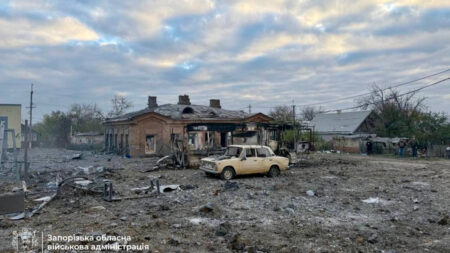



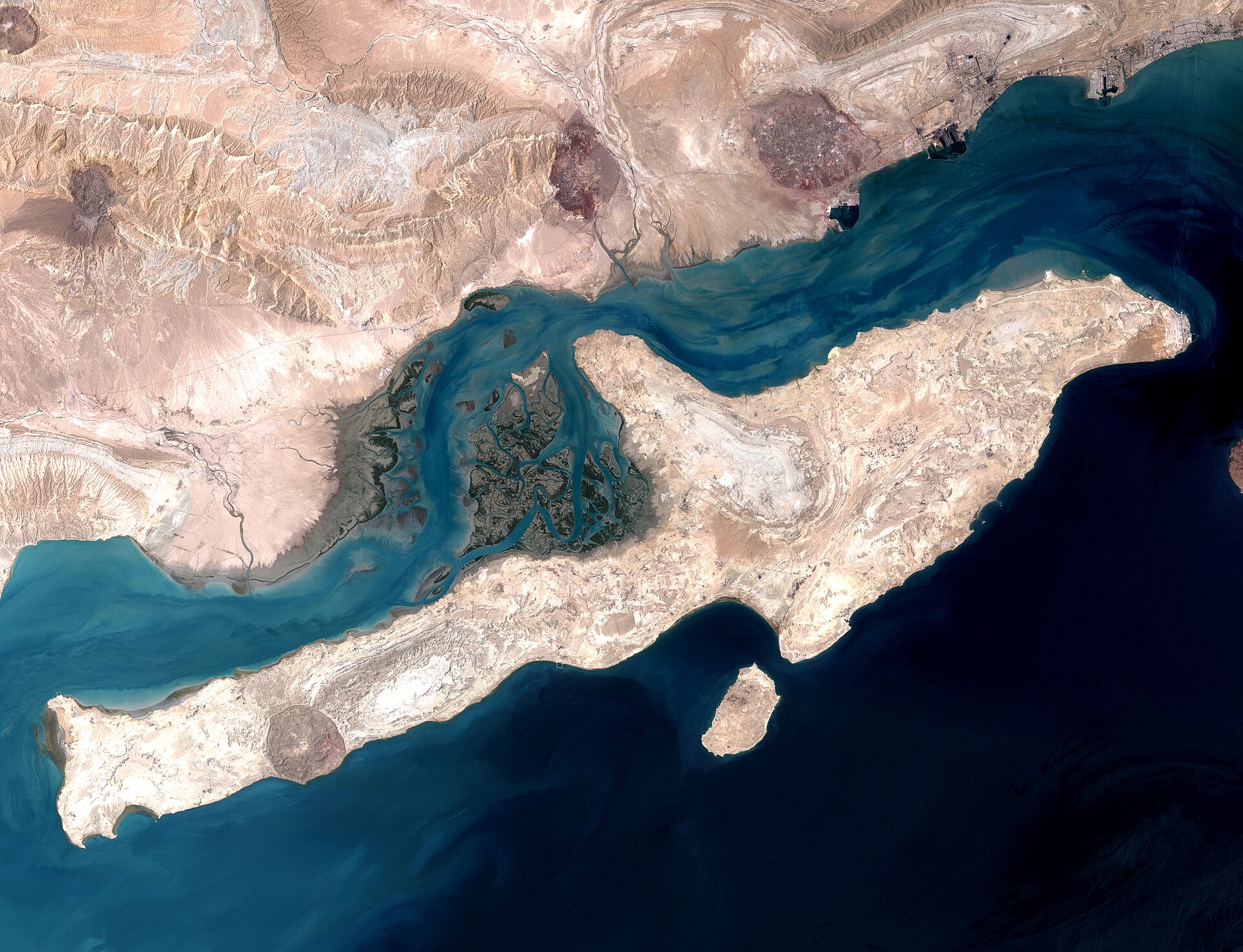
U.S. forces struck Qeshm Island, Iran, late on Monday, Nov. 2, in what U.S. officials called limited, defensive strikes, as Qatari mediators wait for Iran and the United States to answer a new proposal to end the war.
Oil prices fell by more than seven per cent on Monday on hopes of a deal to end the eight-month-old conflict, Al Jazeera and the Times of Israel reported. Brent crude had hit US$116.72 on Oct. 25, our earlier report said.
U.S. officials told The Associated Press the strikes targeted Iranians “using surface-to-air missiles against US assets,” Al Jazeera reported. Fox News, citing officials, said the strikes responded to Iran firing at a U.S. aircraft, the Times of Israel reported. The Pentagon referred questions to U.S. Central Command, which did not respond to requests for comment, the Times of Israel said.
Iran’s state news agency IRNA reported several explosions on the island and said the Revolutionary Guards had earlier destroyed a U.S. MQ-9 drone east of the Strait of Hormuz. The Wall Street Journal, citing a U.S. official, said the strikes appeared limited and were not a resumption of a major operation, Al Jazeera reported. Neither side’s account has been independently verified, and the reports reviewed gave no casualty figures.
“The president and I both feel pretty good about the prospects for potentially coming to a negotiated settlement,” Vice-President JD Vance told reporters on Monday, hours before the strikes, Al Jazeera reported. President Donald Trump told Axios: “One way or the other, we will do something, but there is no rush.”
A Qatari official told Reuters on Tuesday that mediators expect feedback “within 36 hours” from both sides on a new suggestion, CBS News reported. Al Jazeera, citing Reuters, said a draft US-Iran deal had been under negotiation for eight days.
Foreign Minister Abbas Araghchi told IRNA on Monday that “consultations through mediators are very intensive” and that “everything depends on the political rationality of Washington.” Foreign ministry spokesperson Esmaeil Baghaei said Iran’s September plan, which includes reopening the Strait of Hormuz, could be implemented in two days. Parliament Speaker Ghalibaf said on Tuesday that “the ball is now in America’s court to prevent war,” the Times of Israel reported.
On the water, the Revolutionary Guards said on Wednesday, Nov. 4, in a statement carried by state television, that four “non-compliant” oil tankers were destroyed after striking naval mines and were still burning, CBS News reported. That claim has not been independently confirmed, and CBS reported no casualties. The U.S. military denies Iran’s mine claims and says recognized shipping routes have been cleared, the Times of Israel reported. The UK Maritime Trade Operations centre said on Monday that all crew were safe after a vessel was struck by an unknown projectile.
The war reaches Canadian wallets mainly through fuel. Gas prices were up 27.8 per cent in our Nov. 2 cost-of-living report. On the same day, Trump said “no” when asked whether he was weighing strikes on Iran after the U.S. midterm elections, as we reported. U.S. officials described the Qeshm strikes as defensive rather than a resumption of major operations.
The mediators’ 36-hour window runs out around Thursday, Nov. 5. China’s Foreign Ministry spokesperson Mao Ning said a special envoy will visit Iran, Oman and Saudi Arabia in early to mid-November, the Times of Israel reported. CBS News reported that Trump has threatened to resume major strikes after the midterms.
Via Al Jazeera, the Times of Israel and CBS News.
If you find reporting like this useful, consider supporting Canada News Media, an independent Canadian newsroom with no corporate parent.
Follow Canada News Media
Get the day's top Canadian stories and our two daily 60-second news videos wherever you scroll.
X Threads Facebook Instagram LinkedIn TikTok YouTube Pinterest Reddit Substack Flipboard Newsletter RSS