


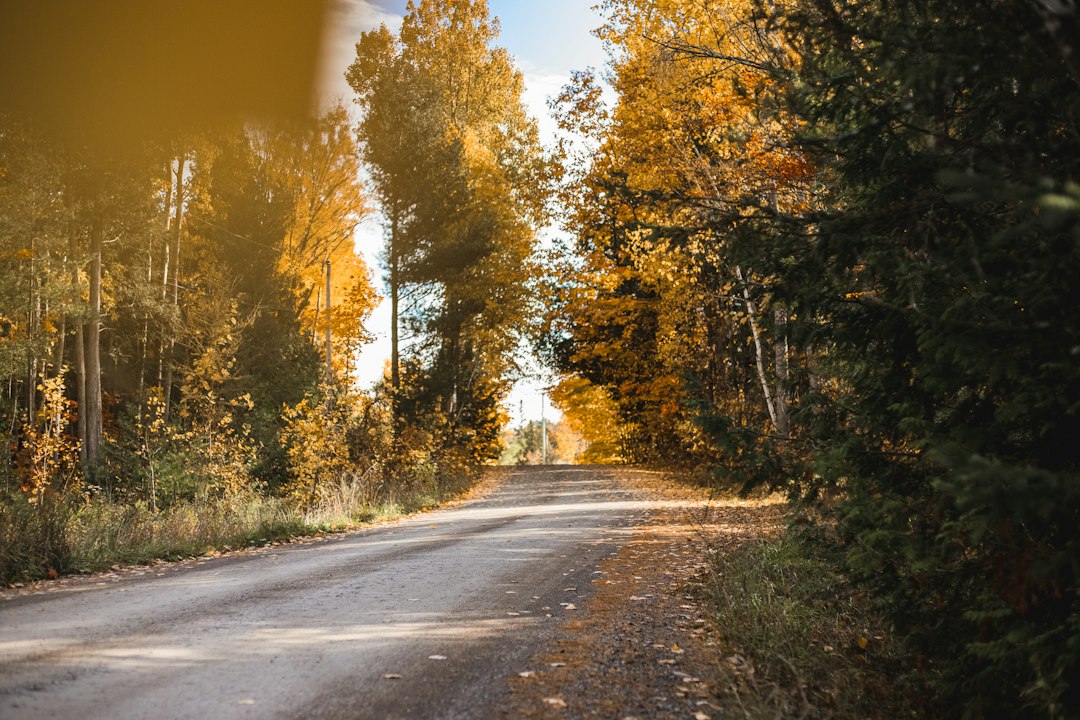
Ontario began construction in early September on the 184-kilometre Marten Falls Community Access Road, the longest stretch of a proposed 514-kilometre Ring of Fire road network in northern Ontario, while other First Nations in the region continue to oppose development of the mineral-rich area.
The road will connect Marten Falls First Nation, about 400 kilometres northeast of Thunder Bay, to the provincial highway network, according to Ontario Construction News. Initial work includes tree clearing, setting up a work camp and opening access to aggregate sites. The road is to include 35 bridges and culverts and is now scheduled to open by November 2031, four years ahead of the earlier schedule.
Premier Doug Ford, who attended the groundbreaking, said: “We’re delivering on our promise to protect Ontario and stand up to President Trump by unlocking the Ring of Fire.” Marten Falls Chief Bruce Achneepineskum said: “Today marks the beginning of a new chapter for Marten Falls First Nation.” Public reports on the event did not disclose the road’s cost.
Mining is also part of the timeline. According to a report from Buffalo Toronto Public Media, Wyloo Metals plans mining operations in 2027. The region holds nickel, copper, platinum and titanium, minerals governments say are central to Canada’s clean-energy and trade strategies.
That is the government’s version. Here is what the ceremony did not settle.
Marten Falls is one of three First Nations that have signed development agreements with Ontario, according to The Narwhal, and its chief has called the road “a path to progress.” But the Ring of Fire sits across the traditional lands of many communities, and not all of them agree. Attawapiskat, Fort Albany and Neskantaga issued a development moratorium in 2021, demanding stronger environmental scrutiny and equal partnership. Kitchenuhmaykoosib Inninuwug and Wapekeka have called for three million hectares to be permanently protected.
The tension is sharpest at Neskantaga. Peace Brigades International Canada reported in November 2025 that land defenders from Neskantaga and Attawapiskat, mostly young people, had been living on the land since June 2025 to protect sacred sites and burial grounds they say lie along the proposed Northern Road Link, a separate route that would cross the Attawapiskat River. The group reported that Neskantaga has opposed the Ring of Fire until basic infrastructure needs are met. It noted the community had lived under a boil water advisory for roughly 30 years.
The legal ground is also unsettled. The Narwhal reports that multiple First Nations launched a lawsuit challenging Bill 5, the 2025 Ontario law that gave the province sweeping powers to speed up mine approvals, arguing it threatens their constitutional right to be consulted. A federal Impact Assessment Agency interim report in January 2026, cited by The Narwhal, found that participating First Nations faced “dire emergency and crisis conditions” that limited their ability to take part fully in regional assessment work.
The environmental stakes reach well beyond northern Ontario. The Narwhal reports the region’s peatlands store about 35 billion tonnes of carbon and provide habitat for caribou, wolverines and migratory birds. Disturbing them could release stored carbon, a fact that sits awkwardly beside the government’s push to build critical-mineral supply chains for the energy transition.
For young Canadians, the question is what kind of development counts as progress. Ford has framed the road as a shield against U.S. trade pressure. Supporters see jobs and economic opportunity for remote communities. Opponents see a fast-tracked process that runs ahead of consent from neighbouring nations and of basic services in their own.
Questions the province has not fully answered publicly include how the road’s cost will be shared, how consent will be secured from communities that have not signed agreements, and how carbon-rich peatlands will be protected once the network expands. Canada News Media will follow the story as construction advances.
Via Ontario Construction News, with additional reporting from Buffalo Toronto Public Media, The Narwhal and Peace Brigades International Canada.
Follow Canada News Media
Get the day's top Canadian stories and our two daily 60-second news videos wherever you scroll.
X Threads Facebook Instagram LinkedIn TikTok YouTube Pinterest Reddit Substack Flipboard Newsletter RSS