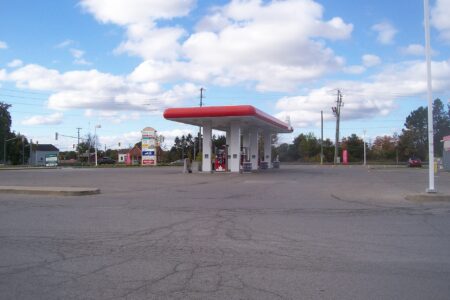



The federal fuel excise tax on gasoline and diesel was scheduled to return at full rates on Tuesday, adding 10 cents a litre to the pump price of regular gas across Canada. It did not.
Six days before that deadline, Finance Minister François-Philippe Champagne announced in Ottawa that the government would extend its pause on the tax until Jan. 31, 2027. “This is real relief right now,” Champagne told reporters on Sept. 2, according to CTV News.
The confusion is understandable, because Sept. 8 was the government’s own date. When Prime Minister Mark Carney’s government introduced the measure on April 14, a Department of Finance backgrounder set the rate at zero cents a litre from April 20 through Labour Day and stated that “on September 8, 2026, the federal excise tax would return to the full rate of 10 cents per litre for gasoline and unleaded aviation gasoline, and 4 cents per litre for diesel fuel and aviation fuel.”
That is why several widely shared “new rules taking effect in September” lists still tell Canadians to expect a 10 cent increase at the pump beginning Tuesday. Those lists are out of date, and anyone who topped up over the weekend to beat the increase was working from a schedule Ottawa has since replaced.
The clearest statement of what replaced it is not in the announcement but in an operational document. Canada Border Services Agency Customs Notice 26-11, updated Sept. 3, sets out three stages. The rate stays at zero until Jan. 31, 2027. From Feb. 1 through March 31, 2027, Ottawa applies 50 per cent of the regular rates. On April 1, 2027, the tax returns in full. Most coverage of the extension reported that the pause runs into the new year without laying out the two step increases that follow.
Those step dates matter more than the extension itself, because they are what drivers will actually feel. The first increase arrives on Feb. 1, in the middle of winter. It will not, however, touch home heating. The April backgrounder notes that heating oil is exempt from this tax and that there is no federal excise tax on natural gas or propane at all, which means households that heat with those fuels never received anything from the pause and will lose nothing when it unwinds. The measure was always a driving subsidy rather than a broad energy subsidy, a distinction that has largely gone unstated.
The same customs notice records a scope change that attracted almost no coverage. On June 18, the government extended the suspension to leaded aviation gasoline, retroactive to April 20.
Whether any of this reached drivers is a separate question. The Canadian Automobile Association put the national average for regular gas at 172.9 cents a litre on the morning of Sept. 2, still high after nearly five months without the federal levy, according to CTV News.
Fuel wholesalers and retailers have raised a complaint that has drawn little attention. In a statement the same day, the Canadian Energy Marketers Association said the excise tax is paid upstream and embedded in the cost of product as it moves through the supply chain, so fuel already sitting in storage and in transit was purchased with the tax included. Once pump prices adjust downward, the association said, those costs cannot be recovered. “Canada runs on fuel, yet the energy industry has been burdened again and again,” president and chief executive Peter Kilty said in the statement. The group is asking Ottawa to create a rebate or credit covering federally taxed fuel inventory on hand.
Conservative Leader Pierre Poilievre, who had pressed for the extension, called it a modest step and renewed his call to remove the GST on gas and diesel, according to CTV News. Ontario Premier Doug Ford has asked that the suspension be made permanent. NDP Leader Avi Lewis argued Ottawa should instead impose a windfall tax on oil companies.
Champagne would not commit to making the pause permanent when asked. Ottawa originally estimated the suspension at more than $2.4 billion in relief. The extension adds another $2.9 billion, bringing total forgone federal revenue to $5.3 billion for 2026-27.
What no one has answered is what happens if fuel prices are still elevated on Feb. 1, when the first increase is scheduled to land.
Extension details and quotes via CTV News / CP24, reporting by Stephanie Ha. Tax rates, exemptions and the original schedule are from the Department of Finance Canada backgrounder of April 14, 2026. The staged restoration timeline is from CBSA Customs Notice 26-11, updated Sept. 3, 2026. Industry comment is from the Canadian Energy Marketers Association statement of Sept. 2, 2026.
Follow Canada News Media
Get the day's top Canadian stories and our two daily 60-second news videos wherever you scroll.
X Threads Facebook Instagram LinkedIn TikTok YouTube Pinterest Reddit Substack Flipboard Newsletter RSS