

The United States will bar imports of Canadian alcohol, some dairy products and large motorcycles beginning Sept. 29, U.S. President Donald Trump announced Tuesday in a set of proclamations signed hours after Canada’s retaliatory tariffs took effect.
Trump imposed the bans under Section 338 of the Tariff Act of 1930, a provision that allows the president to bar imports from countries found to maintain or increase discrimination against American commerce, Axios reported. The distinction matters for Canadian exporters. A tariff makes a good more expensive to sell into the United States, while an import ban removes it from that market entirely.
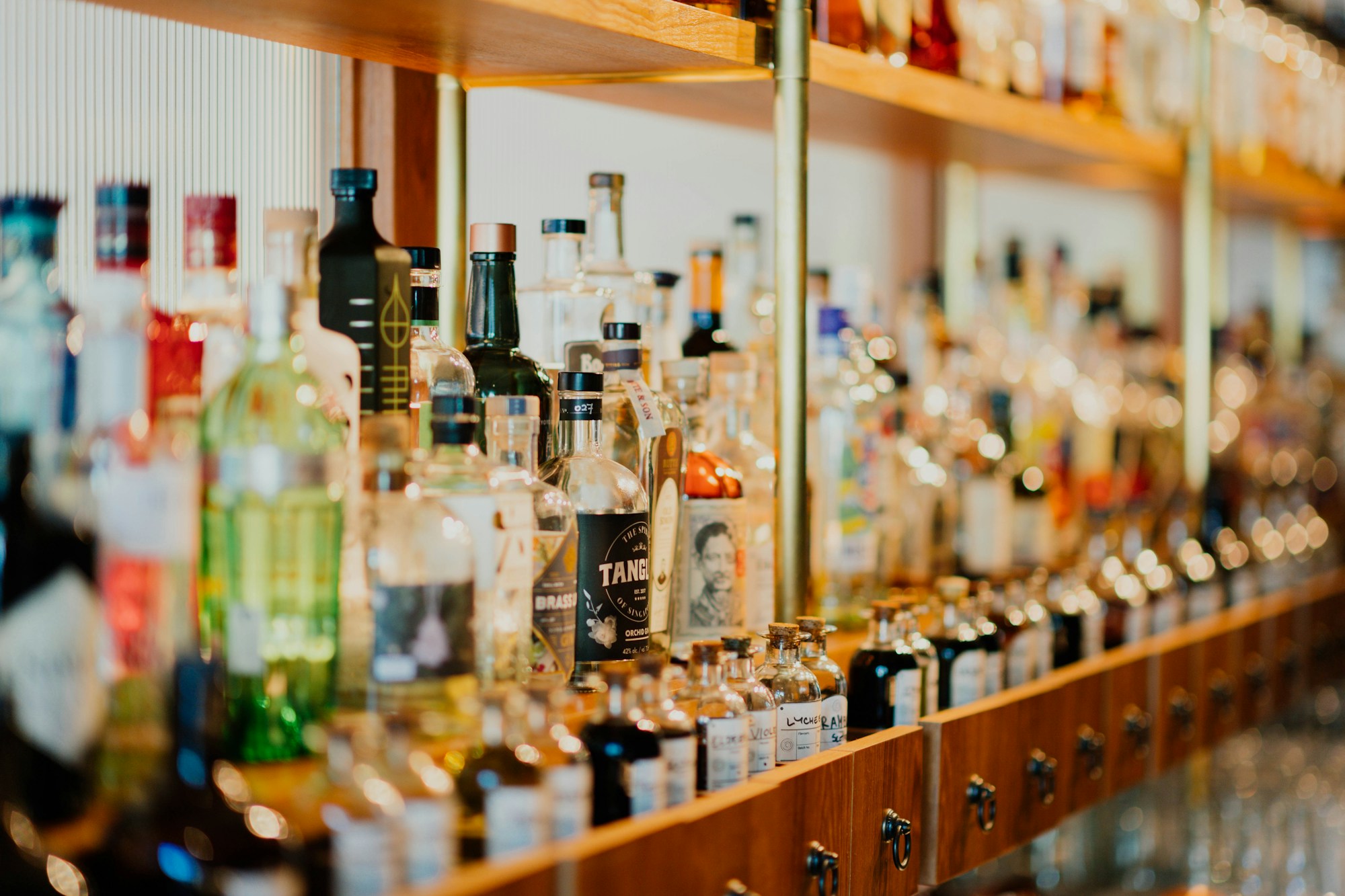
News reports Tuesday listed the affected goods as motorcycles, whey, molasses, non-alcoholic beer and a range of alcoholic beverages, including beer, wine, cider, whisky, vodka and other spirits. Fox Business reported that the White House announced the restrictions Tuesday and said they would take effect in three weeks.
The White House said separately that it would extend existing 50 per cent tariffs to dozens of additional Canadian products, including some steel and aluminum goods, furniture and paper, effective Sept. 15, according to Axios. A handful of items were removed from that list, among them cement, road salt and certain hospital paper products, after what a senior administration official described as feedback from businesses about U.S. supply chains that are heavily dependent on Canadian imports.
The same official played down the likely economic fallout, saying the measures target products where Canada holds little U.S. market share or where American buyers can turn to domestic or other foreign suppliers, Axios reported. Axios also noted that unlike many of the earlier tariffs, the Section 338 measures do not exempt goods that comply with the Canada-United States-Mexico Agreement, leaving more of the two countries’ integrated supply chains exposed.
The announcement landed on the day Canada’s own countermeasures came into force. Canada applied tariffs of 15, 25 and 50 per cent to $27.6 billion in U.S. imports as of 12:01 a.m. Tuesday, according to the Department of Finance Canada, covering sectors that include steel and aluminum, dairy, appliances, agricultural equipment, pulp and paper, and electronics. Ottawa has said it set each rate to match the U.S. rate on the same goods.
Canadian restrictions on American alcohol have been a particular irritant for U.S. officials, Axios reported. Most provinces pulled American products from government-run liquor store shelves early in the dispute and have largely kept them off since.
Trump threatened Monday to bar Bombardier Inc. from selling its jets in the United States. That measure is not in Tuesday’s proclamations, and a senior official said it remains under consideration, according to Axios. Republican Sen. Jerry Moran had publicly warned about the potential impact of such a ban on workers in Kansas.
In a Truth Social post Tuesday, Trump also said he would direct officials to shut Canadian-made products out of a broad range of U.S. government contracts “unless Canada restores full and fair reciprocity for American Farmers and Companies,” Axios reported.
Prime Minister Mark Carney has said since negotiations collapsed last month that Canada will accelerate efforts to diversify its trading relationships and reduce its economic dependence on the United States. No federal response to Tuesday’s proclamations had been reported as of Tuesday evening.
Several questions remain open. The full list of tariff lines covered by the bans has not been published in Canadian coverage, it is not clear whether shipments already in transit on Sept. 29 will be allowed to clear U.S. customs, and Ottawa has not said whether it will answer the prohibitions with measures of its own.