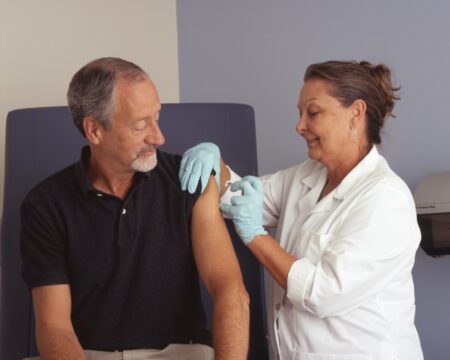




Flu season is arriving on Canadian doorsteps again, and this year the rollout looks different depending on which province you call home, including one major change in Quebec that’s already catching residents off guard.
The National Advisory Committee on Immunization (NACI), which advises the Public Health Agency of Canada, has published its official guidance for the 2026-2027 flu season. The core recommendation hasn’t changed: NACI says the influenza vaccine should be offered annually to everyone six months of age or older who doesn’t have a medical reason to avoid it. But how and when you actually get that shot depends on where you live, because vaccine rollout in Canada is managed province by province, not nationally.
Why this matters more than a routine reminder
Flu shots work best when timed a few weeks before a region’s respiratory illness season peaks, typically from late fall through winter. Getting vaccinated too early or too late can mean weaker protection right when you need it most. That’s why knowing your province’s actual opening date (not just “fall” in general) is worth five minutes of your time, especially if you’re pregnant, over 65, caring for an infant, or managing a chronic health condition. These groups face a meaningfully higher risk of serious flu complications, which is exactly why NACI and provincial health authorities prioritize them for early access.
When flu shots open, province by province
Based on the latest information published by provincial health authorities as of late September 2026:
- Ontario: High-risk and priority groups became eligible in late September 2026. Free flu and COVID-19 shots open to everyone on October 27, 2026, at participating pharmacies, public health units, and doctors’ offices.
- Alberta: The general public can book starting October 19, 2026. Note that Alberta is maintaining a fee for the COVID-19 vaccine this season, even though the flu shot itself remains free for eligible residents.
- Manitoba: Regional public health clinics begin the week of October 13, 2026.
- British Columbia: B.C. doesn’t use a single fixed start date. The campaign begins in October 2026, and residents are notified individually through the province’s Get Vaccinated system when it’s their turn to book.
- Quebec: This is the year’s biggest change. See below.
Saskatchewan, the Atlantic provinces, and the territories set their own schedules too. If your province isn’t listed here, your provincial or territorial public health website will have the exact date. Search “[your province] flu shot 2026” or check with your local pharmacy, which in most of Canada can now administer the vaccine directly.
The Quebec change catching people off guard
For years, flu shots have been free for any Quebec resident who wanted one. That’s changing this season: Quebec will not provide free flu shots to the general adult population this fall. Free vaccination remains targeted at higher-risk groups, but healthy adults outside those categories will need to pay out of pocket at a pharmacy if they want the shot. If you live in Quebec and aren’t sure which category you fall into, your pharmacist can confirm your eligibility for the no-cost program before you book.
Who should make this a priority
According to NACI’s guidance, the following groups face higher risk from flu complications and should prioritize getting vaccinated as soon as it’s available to them:
- Adults 65 and older (a higher-dose vaccine formulated for seniors is recommended where available)
- Pregnant people, at any stage of pregnancy
- Children 6 months to 5 years old
- People with chronic health conditions (heart or lung disease, diabetes, weakened immune systems)
- Residents and staff of nursing homes and other long-term care facilities
- Health care workers and other caregivers who have regular contact with high-risk people
Where to book
In most provinces, you can now get a flu shot at a community pharmacy without an appointment in many cases, in addition to public health clinics and doctors’ offices. Check your provincial health ministry’s website for the official booking tool, or ask your local pharmacist directly, who can usually tell you same-day whether the vaccine has arrived in your area yet.
This article is based on official guidance from the Public Health Agency of Canada’s National Advisory Committee on Immunization and published provincial health authority sources as of publication. It’s provided for general public information and isn’t a substitute for medical advice. If you have questions about whether the flu vaccine is right for you, talk to your doctor or pharmacist.
If you find reporting like this useful, consider supporting Canada News Media, an independent Canadian newsroom with no corporate parent.
Sources: Public Health Agency of Canada, NACI Seasonal Influenza Statement 2026-2027; provincial health ministry websites for Ontario, Alberta, Manitoba, British Columbia, and Quebec.