




Most people have had respiratory syncytial virus, or RSV, without ever knowing its name. According to the Public Health Agency of Canada, most children catch it by the time they turn two, and for many people it feels like a bad cold. But for very young babies and older adults, RSV can be serious enough to send someone to hospital. As fall settles in and the virus begins its yearly rise, it’s worth understanding what protection is now available and who Canada’s vaccine experts say should get it.
The guidance changed this year. On April 10, 2026, the Public Health Agency of Canada released updated advice from the National Advisory Committee on Immunization (NACI), the independent panel that advises governments on vaccines. There are two separate sets of recommendations, one for infants and one for adults, and they work quite differently.
What RSV is and how it spreads
RSV is a common respiratory virus that follows a seasonal pattern each year. The Public Health Agency of Canada describes symptoms similar to a cold: a runny or stuffy nose, coughing, sneezing, wheezing and fever. Babies may also be irritable and have trouble breathing. Symptoms usually start two to eight days after exposure.
The virus spreads through droplets when an infected person coughs or sneezes, and through direct contact when mucus or saliva reaches someone’s eyes, nose or mouth. It can also survive on surfaces, so touching a contaminated object and then your face can pass it along. There is no specific treatment for RSV, the agency says. Most infections clear up in one to two weeks with rest and fluids.
The people the agency lists as most at risk of severe illness include premature and young infants, especially those under six months, children with lung disease or congenital heart disease, older adults, people with chronic conditions such as asthma, diabetes, heart disease or COPD, people who are immunocompromised, and residents of long-term care.
Protecting babies: antibodies or a vaccine in pregnancy
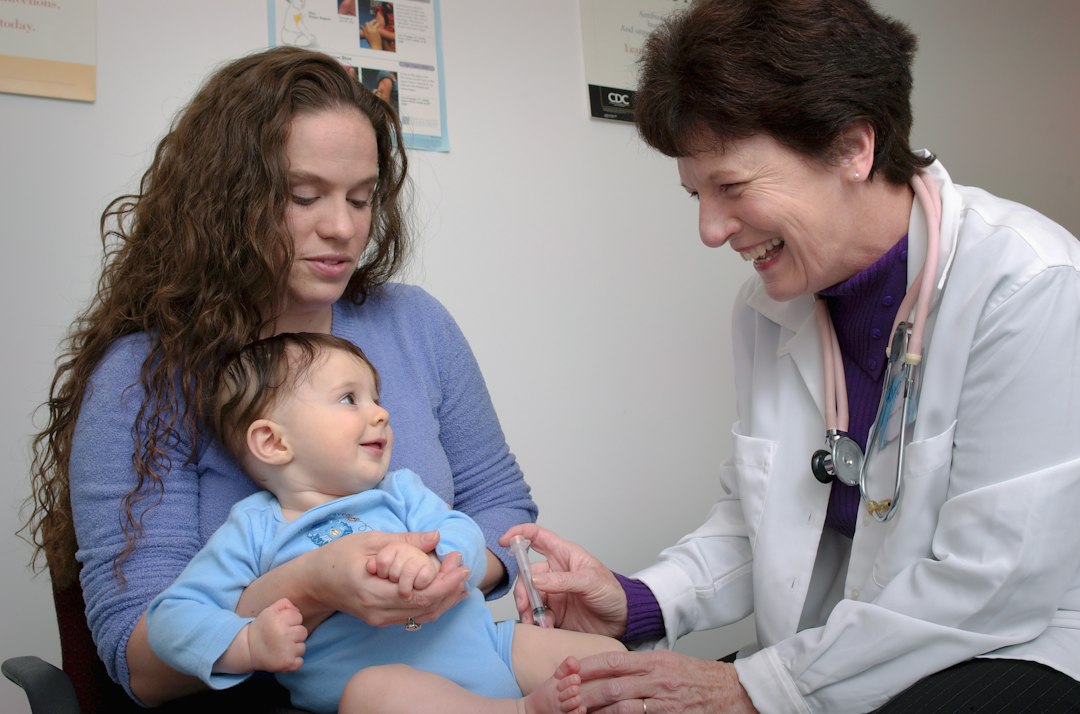
For infants, protection does not usually come from a traditional vaccine given to the baby. Instead, there are two approaches.
The first is a long-acting monoclonal antibody, a ready-made dose of antibodies that gives a baby protection right away. Nirsevimab (sold as Beyfortus) and clesrovimab are the two products NACI names. The committee strongly recommends universal RSV programs for infants and says these antibodies can be offered to all babies in their first RSV season, plus babies who remain at higher risk in their second season. NACI does not state a preference between the two products.
The second approach is a vaccine given during pregnancy, RSVpreF (sold as Abrysvo). The pregnant person makes antibodies that pass to the baby before birth, so the newborn arrives with some protection. Health Canada has authorized it for use between 32 and 36 weeks of pregnancy. NACI recommends it can be given from 28 to 36 weeks, which it notes is wider than the authorized window and is supported by safety and effectiveness data.
Under NACI’s guidance, provinces and territories can run an antibody-only program or a combined program that pairs the pregnancy vaccine with antibodies for certain infants. Timing matters for both. Antibodies are meant to be given around the start of the RSV season for immediate protection, while a pregnancy vaccine has to be given earlier so the body has time to build a response.
Protecting adults: age and health both count
For adults, NACI’s April update widened who is strongly recommended to get a single dose of an RSV vaccine. The committee strongly recommends RSV vaccination for:
- All adults 75 and older
- Adults 65 to 74 who are at increased risk of severe RSV disease
- Adults 18 and older who live in nursing homes or other chronic care facilities
- Adults 18 and older who have had a lung transplant or a stem cell transplant (within two years, or who are still on immune-suppressing treatment), who use home or chronic oxygen therapy, or who are on dialysis
For some younger adults, including people in their 50s and early 60s with conditions that raise their risk, NACI says vaccination is an individual decision to make with a health-care provider. The committee notes that many younger adults may benefit more from being vaccinated at an older age.
Three RSV vaccines are available for adults in Canada: Arexvy (GSK), Abrysvo (Pfizer) and mResvia (Moderna). NACI does not recommend a repeat dose at this point. The committee says evidence shows one dose protects for at least three years, and it is not yet known whether additional doses would boost protection.
NACI was also open about a safety signal. It identified an increased risk of Guillain-Barre syndrome, a rare nerve condition, in people 65 and older after RSV vaccination, and concluded that the benefits of vaccination outweigh that risk. The signal was not seen in younger adults.
Who pays depends on where you live
NACI’s advice is not the same as a free program. As the committee notes, provinces and territories decide their own vaccination programs and what is publicly funded, based on local circumstances. That means eligibility for a free dose, and where you go to get it, can differ between provinces. If you are a parent-to-be, a new parent, an older adult or a caregiver, your provincial or territorial health ministry, local public health unit or pharmacist can tell you what is offered where you live this season.
The everyday steps still matter
Immunization is only one layer. The Public Health Agency of Canada also recommends staying home when sick, washing hands with soap and water for at least 20 seconds or using an alcohol-based sanitizer, covering coughs and sneezes with a tissue or your elbow, and regularly cleaning high-touch surfaces. A well-fitting mask can help in some settings, though the agency says masks are not recommended for children under two. Those habits are especially useful around newborns and older relatives, the people RSV hits hardest.
This article is based on official guidance from the Public Health Agency of Canada and the National Advisory Committee on Immunization (NACI) and is provided for general public information. It’s not a substitute for medical advice, if you have questions about how this applies to you, talk to your doctor or pharmacist.
If you find reporting like this useful, consider supporting Canada News Media, an independent Canadian newsroom with no corporate parent.
Sources: Public Health Agency of Canada, Respiratory syncytial virus (RSV) and RSV: Spread, prevention and risks; NACI, Updated guidance on RSV vaccines for older adults and adults at high risk (April 10, 2026); NACI, Updated guidance on RSV protection for infants and children (April 10, 2026).
Follow Canada News Media
Get the day's top Canadian stories and our two daily 60-second news videos wherever you scroll.
X Threads Facebook Instagram LinkedIn TikTok YouTube Pinterest Reddit Substack Flipboard Newsletter RSS